Patterbea
The Patterbea is a cross between the Beagle and the Patterdale Terrier. Because each hybrid inherits a unique combination of traits from both parents, we recommend thoroughly researching both breeds before choosing a Patterbea. Pay special attention to temperament, health issues, and care requirements, as your dog may express characteristics from either parent breed.
Beagle
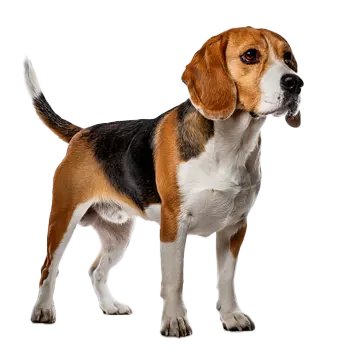
The Beagle is a compact and muscular hound that comes in two recognized size varieties according to breed standards. The smaller variety stands under 13 inches at the withers, while the larger variety measures between 13 and 15 inches tall. Weight typically ranges from 18 to 30 pounds depending on size category and individual build, with the breed presenting a sturdy, athletic appearance that is slightly longer in body than it is tall at the shoulder. The overall structure reflects a dog built for endurance and stamina during long hunting expeditions, successfully combining strength with agility in a convenient medium-sized package that has contributed significantly to the breed's enduring popularity. The head features a distinctively domed skull with a square-cut muzzle of medium length and a broad black nose equipped with wide, open nostrils designed for exceptional scent detection. The Beagle's large eyes are brown or hazel in color, set well apart on the face, and carry that characteristic pleading, gentle expression the breed has become famous for. The ears are remarkably long, with soft, rounded tips that reach nearly to the nose when drawn forward, hanging gracefully close to the cheeks and adding significantly to the breed's gentle, appealing appearance. The neck is medium length and strong, allowing the dog to easily drop its head to follow scent trails. The Beagle wears a close-fitting, hard, medium-length hound coat that provides excellent weather protection during outdoor activities. The breed standard accepts any true hound color, with the classic tri-color pattern of black, white, and tan being most commonly seen in the show ring and as family companions. Other acceptable colorations include red and white, chocolate tri-color, lemon and white, and various tan combinations. A distinguishing feature highly valued in the breed is the white tip on the tail, which serves as a visible flag when the dog is working through dense cover, allowing hunters to track their dogs' movements. The tail is set moderately high and carried gaily with a slight curve, never curling forward over the back.
Key Characteristics
Temperament Temperament Temperament Temperament Temperament Temperament Beagles are widely known for their vocal nature, possessing a distinctive melodious bay and howl that they use enthusiastically to communicate with their owners and other dogs. This tendency toward vocalization makes them effective alert dogs but may concern those living in apartments or close proximity to neighbors. The breed is prone to separation anxiety when left alone for extended periods, often expressing their distress through persistent barking or engaging in destructive behavior. Curious, affectionate, and endlessly playful, the Beagle maintains a puppy-like enthusiasm and zest for life well into adulthood, bringing tremendous joy and entertainment to households that can provide adequate exercise and consistent companionship.
Health Considerations Health Considerations Health Considerations Health Considerations Health Considerations Health Considerations Eye conditions requiring regular monitoring include cherry eye, where the tear gland prolapses and becomes visible as a red mass, and progressive retinal atrophy, a degenerative condition that can eventually lead to complete blindness. The breed's long, pendulous ears create warm, moist environments that predispose them to recurring ear infections, requiring regular cleaning and careful monitoring for signs of irritation. Additional concerns include patellar luxation affecting the kneecaps, allergies affecting both skin and digestion, Beagle Pain Syndrome which is a form of steroid-responsive meningitis, dental disease requiring regular care, and occasional heart conditions. Regular veterinary checkups and appropriate health screenings help identify and address these conditions in their early stages.
Patterdale Terrier

The Patterdale Terrier is a compact, sturdy working terrier standing between 10 and 15 inches at the withers and typically weighing 11 to 13 pounds, presenting a small but remarkably powerful package designed for demanding field work. This breed displays a muscular, well-proportioned frame built specifically for the challenging work of pursuing quarry underground through narrow passages and rocky terrain. The body structure emphasizes pure functionality over aesthetics, with a chest that is notably small and flexible enough to be spanned by average-sized hands, an essential characteristic allowing the dog to navigate through tight underground passages when working foxes and other quarry deep within their dens. The breed displays three distinct coat types that all provide excellent weather protection for extended outdoor work in harsh conditions. The smooth coat variety features dense, stiff, coarse hair lying close to the body and providing streamlined protection. The broken coat type presents an intermediate texture with some longer hairs scattered throughout and may include facial furnishings such as a beard or eyebrows. The rough coat variety shows the longest hair with a coarse, harsh texture throughout the body and always includes prominent facial furnishings including a noticeable beard, mustache, and eyebrows. All three coat types feature a dense, insulating undercoat that provides crucial protection during work in harsh weather conditions and cold water. Patterdale Terriers appear in several solid colors including black, red, chocolate, bronze, and liver, with black being the most commonly encountered color in the breed. Black and tan patterns and grizzle colorations also occur within the breed population. The head is wedge-shaped and strong, featuring powerful jaws with a complete scissor bite essential for the breed's demanding working purpose. The ears are small, V-shaped, and fold forward close to the cheeks, protecting the ear canal during underground work. Eyes are set wide apart and may be any color corresponding to the coat color, expressing keen intelligence and unwavering alertness. The tail may be natural or docked to a working length and is carried high when the dog is alert, excited, or actively working.
Key Characteristics
Temperament Temperament Temperament Temperament Temperament Temperament Patterdales are notably vocal dogs that will enthusiastically alert their owners to anything they deem noteworthy, making them surprisingly effective watchdogs despite their small size. Their strong prey drive means they are generally not suitable for homes with small pets such as rabbits, guinea pigs, hamsters, or cats, as their deeply ingrained hunting instincts can override even the best training. While affectionate and genuinely loyal with family members they know well, they may be reserved or cautious with strangers initially until properly introduced. This breed requires substantial daily exercise exceeding one hour of vigorous activity, along with regular mental stimulation to prevent boredom-related destructive behaviors.
Health Considerations Health Considerations Health Considerations Health Considerations Health Considerations Health Considerations Other conditions seen in the breed include hip dysplasia, though this occurs significantly less frequently than in larger breeds due to the Patterdale's compact size and naturally athletic build. Patellar luxation, where the kneecap slides out of its normal position in the groove, affects some individuals and can range from mild cases requiring no treatment to severe cases necessitating surgical correction. Legg-Calve-Perthes disease, a condition affecting the blood supply to the femoral head of the hip joint, occasionally appears in the breed and typically affects young dogs. Additional health considerations include allergies affecting skin and coat quality, ear infections particularly in dogs with tightly folded ears, dental disease common to many small terrier breeds, and occasional cases of hypothyroidism. Regular veterinary care and appropriate health screening help ensure long, healthy lives for these spirited terriers.
Important to Remember
Each hybrid dog is unique and may inherit any combination of traits from either parent breed. The information above represents the characteristics of the purebred parent breeds. Your Patterbea may favor one parent over the other or display a blend of both. We strongly encourage you to read the complete breed profiles for both the Beagle and Patterdale Terrier to fully understand the range of possible temperaments, health concerns, and care requirements.