Papiox
The Papiox is a cross between the Papillon and the Toy Fox Terrier. Because each hybrid inherits a unique combination of traits from both parents, we recommend thoroughly researching both breeds before choosing a Papiox. Pay special attention to temperament, health issues, and care requirements, as your dog may express characteristics from either parent breed.
Papillon
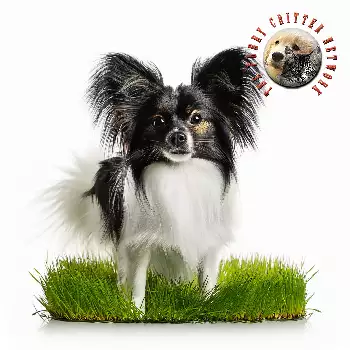
The Papillon is an elegant toy breed that stands between eight and eleven inches tall at the shoulder and typically weighs between five and ten pounds, with the ideal show dog falling between four and six pounds. Despite their delicate and refined appearance, these dogs possess a surprisingly sturdy constitution with fine-boned yet robust frames that display both agility and endurance. Their bodies are slightly longer than tall, presenting a balanced and graceful silhouette that moves with a light, buoyant, and flowing gait. The breed displays well-proportioned features with a slightly rounded skull between the ears, a well-defined stop, and a muzzle that is approximately one-third the length of the head, tapering to a small, round black nose. The most distinctive feature of the Papillon is undoubtedly their magnificent butterfly-wing ears that give the breed its French name meaning butterfly. These impressive ears are large, well-fringed, and set high on the head with rounded tips, adorned with long, flowing fringe that cascades down like delicate feathers when the dog moves. Some Papillons have drop ears rather than erect ones, and this variety is called the Phalene, meaning moth, referring to the folded wing appearance of a resting moth. Both ear types can appear in the same litter and are considered equally acceptable. The coat is long, fine, silky, and flowing without an undercoat, which means these dogs are single-coated and shed only moderately throughout the year. The abundant hair lies flat against the body without curl and is longest on the chest creating a pronounced frill, on the ears, on the backs of the legs forming culottes, and on the plumed tail that arches gracefully over the back. Papillons display a white base coat with patches of virtually any color, though black, red, orange, tan, lemon, and sable markings are most common in show rings. The face typically features a symmetrical white blaze and colored ears that create their signature butterfly appearance, with color covering both ears and extending over both eyes. Their dark, alert, round, medium-sized eyes are set well into the skull and convey an expression of bright intelligence and curiosity, framed by black eye rims. The skin is firm and fits the body smoothly without looseness or wrinkling.
Key Characteristics
Temperament Temperament Temperament Temperament Temperament Temperament Papillons generally get along remarkably well with other pets and can coexist peacefully with cats, other dogs, and even smaller animals when socialized from a young age. They possess a moderate to high energy level and genuinely enjoy participating in activities ranging from competitive agility courses to simple games of fetch in the backyard. While they love to be active and mentally engaged, they are equally content to curl up in a warm lap for quiet bonding time, making them wonderfully adaptable to various household routines, living situations, and owner lifestyles.
Health Considerations Health Considerations Health Considerations Health Considerations Health Considerations Health Considerations Dental disease is particularly prevalent in Papillons due to their small mouths and crowded teeth, making daily brushing and regular veterinary dental cleanings essential for maintaining oral health and preventing secondary infections. Some Papillons may experience collapsing trachea, a condition where the cartilage rings of the windpipe weaken and collapse, causing characteristic honking coughs and breathing difficulties. Using a harness instead of a collar can help prevent stress on the delicate trachea. Additional concerns include open fontanelles in puppies where the soft spot on the skull fails to close properly, von Willebrand disease affecting blood clotting, and hypoglycemia in young puppies who must eat frequently to maintain stable blood sugar levels.
Toy Fox Terrier

The Toy Fox Terrier is a diminutive yet athletic breed that combines the grace of a toy dog with the tenacity and spirit of a terrier. Standing between eight and a half to eleven and a half inches tall at the withers and weighing between four and nine pounds, this breed presents a well-balanced, square-proportioned body with the height approximately equal to the length measured from the point of shoulder to the buttocks. Despite their small stature, these dogs possess a muscular and athletic build that displays remarkable strength, agility, and endurance, reflecting their heritage as capable ratters, barnyard hunters, and circus performers. The coat of the Toy Fox Terrier is one of its most distinguishing features, characterized by a short, satiny, and shiny texture that is fine and smooth to the touch, giving the dog an elegant and well-groomed appearance. The hair lies close to the body and is uniformly distributed, with slightly longer growth at the ruff around the neck and shoulders. The skin beneath is firm and pliable without looseness. This sleek coat is predominantly white on the body, typically covering more than fifty percent of the dog, while the head features predominantly solid coloring in black, chocolate, or tan, often with tan points on the cheeks, lips, and eye dots creating distinctive markings. Acceptable color combinations include tricolor with black and tan markings, white and tan, white and black, and white with chocolate and tan, with clear white being preferred over heavily ticked coats. The head of the Toy Fox Terrier is elegant, refined, and well-proportioned to the body, featuring a slightly rounded skull that tapers toward a strong muzzle creating an intelligent and expressive appearance. Their ears are a prominent and eye-catching feature, standing erect, pointed, and set high with V-shaped tips that give the dog a perpetually alert and intelligent expression. The eyes are dark, round, and bright, conveying curiosity and keen awareness. The muzzle is strong, parallel to the skull, and proportionate, ending in a black nose that matches the dark rims around the expressive eyes. The tail is set high and traditionally docked to about three-fifths of its original length, carried erect when the dog is alert and engaged.
Key Characteristics
Temperament Temperament Temperament Temperament Temperament Temperament Toy Fox Terriers are devoted companions who thrive on human interaction and affection. They make excellent watchdogs, alerting their owners to visitors or unusual sounds with their keen senses, though proper training can prevent excessive barking. While they can be suspicious of strangers initially, they warm up quickly when properly socialized. They can coexist with other pets and well-behaved children, though their small size and terrier instincts mean supervision is always recommended around young children or unfamiliar animals.
Health Considerations Health Considerations Health Considerations Health Considerations Health Considerations Health Considerations Primary lens luxation is a hereditary eye condition affecting Toy Fox Terriers where the ligaments holding the lens in place break down, causing the lens to shift position. This condition typically appears between three and eight years of age and can lead to pain, glaucoma, and blindness if not addressed promptly through surgical removal of the affected lens. Von Willebrand disease, a blood clotting disorder, is another inherited condition in the breed that can cause excessive bleeding following injuries or surgery. Additional health concerns include congenital hypothyroidism with goiter, spinocerebellar ataxia affecting coordination, dental disease common to small breeds, and demodectic mange caused by mite infestations. Responsible breeders perform DNA testing for these conditions to ensure healthier puppies.
Important to Remember
Each hybrid dog is unique and may inherit any combination of traits from either parent breed. The information above represents the characteristics of the purebred parent breeds. Your Papiox may favor one parent over the other or display a blend of both. We strongly encourage you to read the complete breed profiles for both the Papillon and Toy Fox Terrier to fully understand the range of possible temperaments, health concerns, and care requirements.