Old Deerhound Sheepdog
The Old Deerhound Sheepdog is a cross between the Old English Sheepdog and the Scottish Deerhound. Because each hybrid inherits a unique combination of traits from both parents, we recommend thoroughly researching both breeds before choosing a Old Deerhound Sheepdog. Pay special attention to temperament, health issues, and care requirements, as your dog may express characteristics from either parent breed.
Old English Sheepdog

The Old English Sheepdog is a large, powerful herding breed immediately recognizable by its profuse, shaggy coat that covers the entire body, including the face and eyes. Male dogs stand at minimum twenty-two inches at the withers with no upper limit specified, while females measure at least twenty-one inches. Weight ranges considerably from sixty to one hundred pounds depending on the individual dog's build and height. Despite their substantial size, the breed standard calls for a compact, square body with the length from shoulder to hindquarters approximately equal to height at the withers. A distinguishing characteristic of the breed is the topline, which rises from the withers toward the loin, making the dog appear higher at the rear than at the shoulders. The magnificent double coat of the Old English Sheepdog requires significant attention and represents both the breed's defining feature and greatest maintenance challenge. The outer coat is profuse, hard-textured, and shaggy without being straight, while the undercoat provides waterproof protection that enabled the breed to work in harsh English weather. Acceptable colors include any shade of gray, grizzle, blue, or blue merle, with or without white markings. The head, neck, forequarters, and underbelly are typically white while the body and hindquarters display the darker coloring. The dense coat covers the entire head, often obscuring the eyes completely, though many pet owners trim the face for better vision and hygiene. The coat sheds year-round and requires several hours of grooming weekly to prevent painful matting. Beneath the abundant coat lies a thickset, muscular dog with a capacious, rather square skull and a strong jaw. The eyes may be brown, blue, or one of each color, conveying an intelligent and sometimes mischievous expression when visible beneath the characteristic bangs. Medium-sized ears lie flat against the head. The Old English Sheepdog may be born naturally tailless, as the name Bobtail suggests, or the tail is docked close to the body where this practice remains legal. The breed's gait is particularly distinctive, featuring a characteristic bear-like rolling motion at the walk and amble, with powerful, elastic movement at the trot that covers ground efficiently.
Key Characteristics
Temperament Temperament Temperament Temperament Temperament Temperament The herding heritage of the Old English Sheepdog remains evident in their behavior, often manifesting as attempts to herd family members, particularly children, by bumping or circling. While generally good-natured, the breed can display some dog aggression, particularly among males, making careful introductions and ongoing management important in multi-dog households. These adaptable dogs can adjust to various living situations provided their exercise needs are met, though their substantial size and grooming requirements make them better suited to homes with adequate space. Old English Sheepdogs form strong bonds with their families and do not thrive when isolated or left alone for extended periods, potentially developing separation anxiety or engaging in destructive behaviors when their social needs go unmet.
Health Considerations Health Considerations Health Considerations Health Considerations Health Considerations Health Considerations The breed faces additional health concerns including autoimmune hypothyroidism, which affects thyroid function and may cause weight gain, lethargy, and skin problems. Congenital deafness occurs in Old English Sheepdogs, particularly those with extensive white coloration, and BAER testing can identify affected puppies. Multidrug resistance gene mutation affects the breed, making certain medications potentially dangerous at standard doses. Heart conditions and portosystemic shunt also occur. Primary ciliary dyskinesia, affecting respiratory function, represents another breed concern. Regular veterinary care, appropriate health screening of breeding stock, and working with reputable breeders who prioritize health testing all contribute to maximizing the chances of acquiring a healthy puppy and maintaining good health throughout the dog's life.
Scottish Deerhound
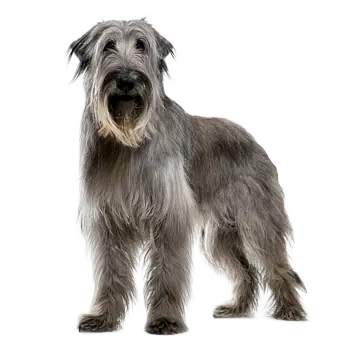
The Scottish Deerhound stands as one of the tallest dog breeds, presenting a majestic silhouette that combines impressive size with remarkable grace and elegance. Male Deerhounds reach minimum heights of thirty to thirty-two inches at the shoulder with weights ranging from eighty-five to one hundred ten pounds, while females measure at least twenty-eight inches and weigh between seventy-five and ninety-five pounds. The breed standard emphasizes that height should be achieved while maintaining quality and proper proportion, as larger dogs with coarse features or poor balance are less desirable than smaller specimens exhibiting ideal type. The overall impression is of a rough-coated Greyhound of larger size and heavier bone, built for speed and endurance over rough terrain. The wiry, weather-resistant coat of the Scottish Deerhound consists of harsh, crisp hair measuring approximately three to four inches at its longest, providing excellent protection against the cold, damp conditions of the Scottish Highlands where the breed developed. The outer coat should feel rough and somewhat bristly to the touch, while softer hair appears on the head, breast, and belly. A characteristic mane adorns the neck, and slight fringing on the legs and ears adds to the breed's distinguished appearance. Dark blue-gray is the most preferred coat color, followed by darker and lighter grays and brindle patterns. Yellow, sandy red, and red fawn with black points also appear, representing some of the oldest color patterns in the breed's history. The head of the Scottish Deerhound is long and level, broadest at the ears and tapering toward the nose, with a very slight rise over the eyes but no pronounced stop. The skull appears flat rather than round, covered with moderately long hair that is softer than the body coat. A good mustache and beard of silky texture frame the face attractively. The eyes are dark, conveying a soft, gentle expression that belies the breed's power and speed. Small, rose-shaped ears fold back in repose but lift during excitement without losing their characteristic fold. The long, tapering tail reaches almost to the ground and is carried low with an upward curve, never raised above the level of the back.
Key Characteristics
Temperament Temperament Temperament Temperament Temperament Temperament However, the laid-back indoor demeanor of the Scottish Deerhound transforms dramatically when they have opportunity to run, revealing the powerful coursing hound beneath the gentle exterior. Their prey drive remains exceptionally strong, and they will pursue anything that runs, making secure fencing absolutely essential and off-leash exercise appropriate only in safely enclosed areas. Training requires patience and understanding, as Deerhounds approach obedience with a sense of bemused tolerance rather than eager compliance, sometimes appearing to consider whether compliance suits them before responding to commands. This attitude reflects independence rather than dominance, and harsh training methods prove particularly ineffective with this sensitive breed. Early socialization helps ensure Deerhounds develop into confident, well-adjusted adults comfortable with the various situations they may encounter.
Health Considerations Health Considerations Health Considerations Health Considerations Health Considerations Health Considerations Additional health concerns in the breed include cystinuria, a metabolic condition that causes the formation of bladder stones requiring dietary management or surgical removal. Scottish Deerhounds carry genetic sensitivity to certain anesthetics and other medications, necessitating veterinarians familiar with sighthound physiology for any procedures requiring sedation. Hypothyroidism affects some individuals, causing metabolic changes that may result in weight gain, lethargy, and coat problems. Factor VII deficiency, a blood clotting disorder, and exercise-induced hyperthermia also occur in the breed. Given the serious nature of many breed-related health issues, working with responsible breeders who health test their dogs and maintain awareness of health trends in their lines becomes particularly important for anyone considering this noble breed.
Important to Remember
Each hybrid dog is unique and may inherit any combination of traits from either parent breed. The information above represents the characteristics of the purebred parent breeds. Your Old Deerhound Sheepdog may favor one parent over the other or display a blend of both. We strongly encourage you to read the complete breed profiles for both the Old English Sheepdog and Scottish Deerhound to fully understand the range of possible temperaments, health concerns, and care requirements.