Native American Shepherd
The Native American Shepherd is a cross between the Native American Indian Dog and the Belgian Shepherd. Because each hybrid inherits a unique combination of traits from both parents, we recommend thoroughly researching both breeds before choosing a Native American Shepherd. Pay special attention to temperament, health issues, and care requirements, as your dog may express characteristics from either parent breed.
Native American Indian Dog

The Native American Indian Dog is a medium to large breed that displays a striking wolf-like or dingo-like appearance reflecting its connection to ancient dogs of North America. Males typically stand between 21 to 34 inches tall at the shoulder and weigh between 50 to 120 pounds, while females are somewhat smaller, ranging from 17 to 19 inches in height and 45 to 100 pounds in weight. The breed possesses a well-proportioned, athletic build with a wedge-shaped head, moderately long pointed muzzle, and erect triangular ears that give it an alert, intelligent expression. Their almond-shaped eyes are particularly striking, often appearing in pale yellow, amber, or blue shades that contribute to their distinctively wild aesthetic and keen appearance. The coat of the Native American Indian Dog consists of a dense, soft undercoat covered by a longer, straight outer layer that provides excellent protection against varying weather conditions and temperature extremes. This substantial double coat requires regular weekly brushing but sheds seasonally rather than continuously throughout the year. Acceptable coat colors include black, blue, white, gray, fawn, and silver, often displaying beautiful sable shading that adds depth and dimension to their appearance. The tortoiseshell pattern, featuring a harmonious mix of multiple colors, is considered particularly sacred in the breed's tradition and history. Some dogs may exhibit lighter markings on the chest, face, or legs that enhance their distinctive look. The overall structure of this breed emphasizes functionality and natural movement rather than exaggerated features or extreme proportions. Their legs are straight and sturdy with good bone, supporting a body built for endurance and impressive agility. The tail is typically long and bushy, carried low when relaxed or raised proudly when alert and engaged. Their feet are compact with well-arched toes and thick pads suited for traversing various terrains including rocky and uneven ground. This breed's physical appearance reflects a dog historically valued for remarkable versatility, capable of hunting, herding, and serving as a devoted companion.
Key Characteristics
Temperament Temperament Temperament Temperament Temperament Temperament This breed generally gets along well with children and other pets when properly socialized from an early age. They demonstrate patience with younger family members and can be gentle playmates. However, their herding instincts may sometimes emerge around smaller animals or running children. The Native American Indian Dog is not well-suited to apartment living or extended crate confinement, as they need room to move and opportunities to be near their family. Prospective owners should understand that this breed requires significant time investment and thrives best in active households that can provide both physical exercise and mental stimulation.
Health Considerations Health Considerations Health Considerations Health Considerations Health Considerations Health Considerations Preventive health care is essential for maintaining the breed's overall wellbeing throughout their long lives. Annual veterinary examinations should include comprehensive assessments of thyroid function and cardiac health, as these areas benefit from monitoring in this breed. Maintaining a healthy weight through proper nutrition and regular exercise helps reduce stress on joints and supports cardiovascular health. Keeping vaccinations current and providing high-quality food formulated for large breeds contributes significantly to longevity. Owners should monitor their dogs for subtle changes in mobility or behavior that might indicate developing health issues, as early intervention typically produces better outcomes.
Belgian Shepherd
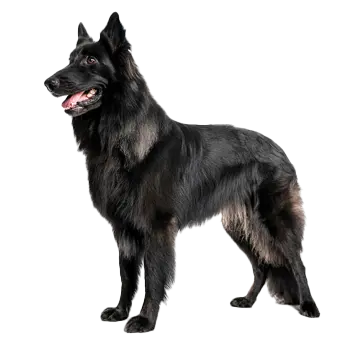
The Belgian Shepherd is a medium to large herding breed characterized by an elegant, athletic build that reflects its working heritage. Males typically stand between 24 to 26 inches at the shoulder and weigh 55 to 75 pounds, while females are slightly smaller at 22 to 24 inches tall and 40 to 60 pounds. The breed presents a square, well-proportioned silhouette with strong muscles that enable quick, agile movement. Their head is refined and long with a moderately pointed muzzle, and they possess triangular ears that stand erect, giving them a constantly alert expression that reflects their vigilant nature. The Belgian Shepherd exists in four distinct varieties that differ primarily in their coat characteristics: the Groenendael features a long black coat, the Tervuren has a long fawn to mahogany coat with black overlay, the Malinois sports a short fawn coat with a black mask, and the Laekenois displays a rough, wiry fawn coat. Despite these variations, all four types share the same fundamental structure and temperament. The coat in all varieties consists of a dense undercoat beneath the outer layer, providing protection in various weather conditions. Regular brushing is essential to maintain coat health and manage shedding, which can be substantial particularly during seasonal transitions. The overall physique of the Belgian Shepherd demonstrates a dog built for endurance, speed, and agility rather than raw power. Their chest is deep but not overly broad, allowing for efficient movement. The hindquarters are well-muscled and slightly angulated, providing powerful drive during running and jumping. Their feet are round and compact with thick pads suited for long hours of work. The tail is medium length and carried low at rest but may rise when the dog is active. Every aspect of the Belgian Shepherd's build contributes to their ability to perform demanding tasks including herding, protection work, and various dog sports.
Key Characteristics
Temperament Temperament Temperament Temperament Temperament Temperament This breed is best suited for experienced dog owners who understand the needs of high-drive working dogs. Belgian Shepherds can do well with children when raised together, though their herding instincts may cause them to chase or nip at running youngsters. They may be selective about other dogs, particularly those of the same sex, and early socialization is essential for developing good canine social skills. The Belgian Shepherd requires consistent leadership, clear boundaries, and ongoing training throughout their life. When their needs are met, these dogs become extraordinarily loyal companions who will eagerly participate in virtually any activity alongside their owners.
Health Considerations Health Considerations Health Considerations Health Considerations Health Considerations Health Considerations Epilepsy represents one of the more significant health concerns in Belgian Shepherds, occurring with enough frequency that breed clubs actively support research into the condition. The disorder typically manifests between two and five years of age, making it difficult to identify carriers before they have already been bred. Management with medication is often successful, though episodes may still occur. Other conditions that have been reported include thyroid disorders, which can affect metabolism and coat quality, and pannus, an immune-mediated eye condition that can respond to treatment when caught early. Regular veterinary examinations, genetic testing of breeding animals, and attention to any changes in vision or neurological function help maintain the health of individual dogs and the breed as a whole.
Important to Remember
Each hybrid dog is unique and may inherit any combination of traits from either parent breed. The information above represents the characteristics of the purebred parent breeds. Your Native American Shepherd may favor one parent over the other or display a blend of both. We strongly encourage you to read the complete breed profiles for both the Native American Indian Dog and Belgian Shepherd to fully understand the range of possible temperaments, health concerns, and care requirements.