Muscle Mastiff
The Muscle Mastiff is a cross between the Dogue de Bordeaux and the Mastiff. Because each hybrid inherits a unique combination of traits from both parents, we recommend thoroughly researching both breeds before choosing a Muscle Mastiff. Pay special attention to temperament, health issues, and care requirements, as your dog may express characteristics from either parent breed.
Dogue de Bordeaux
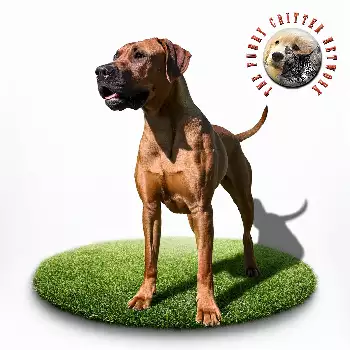
The Dogue de Bordeaux, also known as the French Mastiff, is a powerful, muscular breed with a distinctively massive head that is claimed to be the largest in the canine world relative to body size, creating an impressive and unmistakable appearance. Males stand between 23.5 to 27 inches at the shoulder and weigh a minimum of 110 pounds, often reaching 140 to 145 pounds or more, while females measure 23 to 26 inches and weigh at least 99 pounds. The breed presents a thick-set, athletic body that sits relatively low to the ground compared to taller mastiff breeds, giving them a powerful, compact appearance. The body is slightly longer than tall, with a deep chest that extends below the elbow and a muscular topline that features a slight dip before rising gently to a rounded croup. The breed's colossal head is the defining characteristic that sets them apart from other mastiff breeds, with males having a head circumference that roughly equals their height at the shoulder. When viewed from above or from the front, the head forms a trapezoidal shape with the skull being broader than the underjaw, creating a distinctive profile. Deep wrinkles furrow the forehead and face, becoming more pronounced and mobile when the dog is alert or expressing emotion. The muzzle is powerful, broad, and relatively short, comprising approximately one-third of the total head length. A pronounced stop creates a near right-angle between the skull and muzzle. The undershot jaw projects forward, with thick upper lips hanging over the lower jaw, contributing to the breed's characteristic drooping jowls and substantial drooling. The Dogue de Bordeaux's coat is fine, short, and soft to the touch, lying close against the thick, loose-fitting skin that forms folds on the body. The breed comes in all shades of fawn, ranging from light fawn to dark red mahogany, always appearing as a solid self-color. A black or brown mask may cover the muzzle and extend around the eyes, or the breed may display no mask at all with reddish skin showing through the fawn coat. Limited white markings are permissible on the chest and feet. Oval eyes are set wide apart and range from hazel to dark brown depending on mask color. Medium-sized pendant ears hang close to the cheeks and are set rather high.
Key Characteristics
Temperament Temperament Temperament Temperament Temperament Temperament Training a Dogue de Bordeaux requires patience, consistency, and positive reinforcement methods to achieve the best results. The breed can be stubborn and strong-willed, sometimes displaying an independent streak that challenges less experienced owners who may not be prepared for their determination. They are intelligent dogs that learn quickly but may choose to comply on their own terms, requiring an owner who can maintain consistent expectations. Early socialization is critical to ensure they develop appropriate responses to various people, animals, and situations. The breed is not highly energetic and typically requires only moderate daily exercise to maintain physical and mental health.
Health Considerations Health Considerations Health Considerations Health Considerations Health Considerations Health Considerations The Dogue de Bordeaux's brachycephalic facial structure contributes to breathing difficulties and heat intolerance, as the shortened airways cannot effectively cool the body through panting. Eye problems including ectropion, where the lower eyelid rolls outward exposing the inner surface to irritation, and entropion, where the eyelid rolls inward causing discomfort, require monitoring and potentially surgical correction. Glomerulonephropathy is an inherited kidney disease that causes progressive renal failure, often at an early age. Ichthyosis, a severe scaling skin condition, affects some dogs from birth. The breed also experiences high rates of stillbirth and early puppy mortality, with approximately 25 percent of litters requiring cesarean delivery.
Mastiff
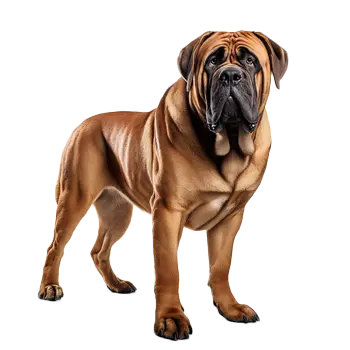
The Mastiff, also known as the English Mastiff, stands as one of the largest and most imposing dog breeds in existence, commanding attention wherever they go. Males typically stand at a minimum of 30 inches at the shoulder and can weigh between 160 to 230 pounds, while females are slightly smaller at a minimum of 27.5 inches and weigh between 120 to 170 pounds. Some exceptional males may exceed 200 pounds, with the breed holding records for being among the heaviest dogs ever documented. The Mastiff's massive, powerful frame combines impressive substance with surprising athleticism, featuring a broad, deep chest that extends well below the elbow, strong straight legs, and heavy bone structure throughout that supports their tremendous weight. The breed's head is perhaps its most striking feature, appearing massive and broad when viewed from any angle and contributing significantly to the breed's commanding presence. The forehead is flat between the ears and slightly wrinkled when alert, giving the face character and expression. A pronounced stop separates the forehead from the muzzle, which is approximately half the length of the skull, appearing broad and blunt when viewed from the front. The characteristic black mask covers the muzzle, nose, and extends up around the eyes, creating a distinct facial marking that is essential to proper breed type. Dark hazel to brown eyes are set wide apart and convey the breed's gentle, dignified expression that belies their intimidating size. Medium-sized V-shaped ears are set high and rounded at the tips, hanging close to the cheeks. The Mastiff's short, dense double coat lies close to the body and provides adequate protection in various weather conditions while being easy to maintain. Acceptable colors include fawn, apricot, and brindle, all featuring the distinctive black mask and ears that define the breed's appearance. The tail is set moderately high, reaching to the hocks or below, and is carried straight or with a slight curve but never over the back. Despite their enormous size, Mastiffs should move with powerful, ground-covering strides that appear effortless, demonstrating the breed's underlying athleticism and strength.
Key Characteristics
Temperament Temperament Temperament Temperament Temperament Temperament Mastiffs are intelligent dogs that respond well to patient, consistent training using positive reinforcement methods rather than harsh corrections. They can be somewhat stubborn and independent-minded, particularly during adolescence, requiring an owner who can establish clear leadership through gentle guidance. The breed matures slowly, both physically and mentally, often not reaching full maturity until three years of age or older. Early socialization is essential to ensure they develop into confident, well-adjusted adults who respond appropriately to various situations. Despite their low energy levels, Mastiffs benefit from regular moderate exercise to maintain muscle tone and prevent obesity.
Health Considerations Health Considerations Health Considerations Health Considerations Health Considerations Health Considerations Gastric dilatation-volvulus, commonly called bloat, represents a life-threatening emergency that affects deep-chested breeds like the Mastiff with alarming frequency and requires immediate veterinary intervention. This condition causes the stomach to fill with gas and potentially twist, cutting off blood supply and requiring emergency surgical treatment. Additional health concerns include hypothyroidism, progressive retinal atrophy affecting vision, wobbler syndrome affecting the cervical spine and causing coordination problems, and cystinuria, a condition affecting kidney function. The breed's facial structure can also contribute to entropion, where the eyelid rolls inward, causing irritation and potential corneal damage.
Important to Remember
Each hybrid dog is unique and may inherit any combination of traits from either parent breed. The information above represents the characteristics of the purebred parent breeds. Your Muscle Mastiff may favor one parent over the other or display a blend of both. We strongly encourage you to read the complete breed profiles for both the Dogue de Bordeaux and Mastiff to fully understand the range of possible temperaments, health concerns, and care requirements.