Muggin
The Muggin is a cross between the Miniature Pinscher and the Pug. Because each hybrid inherits a unique combination of traits from both parents, we recommend thoroughly researching both breeds before choosing a Muggin. Pay special attention to temperament, health issues, and care requirements, as your dog may express characteristics from either parent breed.
Miniature Pinscher
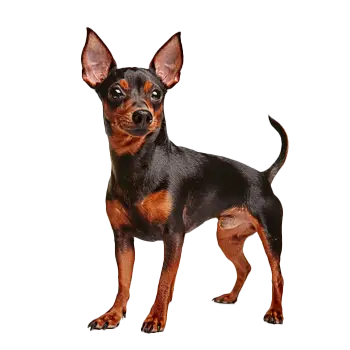
The Miniature Pinscher is a compact, elegant toy breed that presents a well-balanced, sturdy appearance despite its diminutive size, often described as a big dog in a small package. Standing between 10 to 12.5 inches at the shoulder and weighing between 8 to 10 pounds, this breed displays a square body profile where the length equals the height at the withers, creating perfect proportions. The body is compact and wedge-shaped with a level topline that slopes slightly toward the rear, supported by straight legs with refined but adequate bone structure that allows for the breed's characteristic high-stepping movement. The overall impression is one of fearless animation, complete self-possession, and spirited presence that has earned them the nickname King of Toys. The Miniature Pinscher's head is narrow and tapers smoothly toward the muzzle, maintaining clean lines without prominent cheek muscles that would disrupt the elegant profile. The muzzle is strong and proportionate to the skull, with a well-defined stop that creates a balanced appearance. Eyes are dark, slightly oval, and full, conveying an alert and intelligent expression that seems to miss nothing. Ears may be cropped or left natural; when cropped, they stand erect, while uncropped ears are set high and either stand erect or fold at the peak. The neck is curved gracefully and flows smoothly into the shoulders, contributing to the breed's proud carriage and elegant outline. The breed's coat is short, smooth, hard, and lies close to the body, displaying a lustrous sheen that highlights the muscular definition beneath and requires minimal grooming. Acceptable colors include solid clear red, stag red which is a red coat with an intermingling of black hairs, black with clearly defined rust-red markings above each eye, on the cheeks, lips, lower jaw, throat, twin spots on the chest, lower half of forelegs, inside of hind legs, and beneath the tail, or chocolate with similar rust markings. The Miniature Pinscher's most distinctive movement is the hackney-like gait, a high-stepping, free, and easy action where the front legs reach well forward with a unique prancing motion and the rear legs drive with good reach.
Key Characteristics
Temperament Temperament Temperament Temperament Temperament Temperament Training a Miniature Pinscher requires patience, consistency, and positive reinforcement methods to channel their intelligence effectively. These clever dogs learn quickly but can be stubborn and willful, sometimes attempting to assert their own agenda and test boundaries. Their independent nature means they benefit from early obedience training to establish appropriate boundaries and expectations. The breed thrives with owners who can provide firm but gentle leadership while appreciating their spirited personality. They are not ideal for households with very young children due to their small size and tendency to be less tolerant of rough handling, but they make wonderful companions for active families who can match their considerable energy levels.
Health Considerations Health Considerations Health Considerations Health Considerations Health Considerations Health Considerations Additional health concerns include epilepsy, which can manifest as seizures of varying severity and may require lifelong medication management to control. Hypothyroidism, a condition where the thyroid gland produces insufficient hormones, can cause weight gain, lethargy, skin problems, and other systemic issues requiring daily hormone supplementation. Mucopolysaccharidosis VI is a rare inherited metabolic disorder documented in the breed. Due to their small size and lean body composition, Miniature Pinschers are sensitive to cold weather and should be protected with appropriate clothing during winter months. Dental issues are also prevalent in toy breeds, requiring regular dental care and professional cleanings to prevent periodontal disease.
Pug
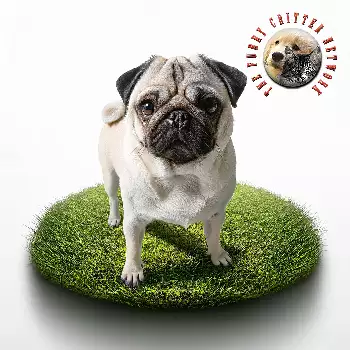
The Pug is a compact, square-proportioned toy breed that embodies the Latin phrase multum in parvo, meaning much in little, perfectly describing their big personality packed into a small frame. Standing between 10 to 13 inches at the shoulder and weighing between 14 to 18 pounds, the Pug presents a cobby, thickset body packed with substantial muscle for its size that gives them a sturdy, solid appearance. The breed should appear well-conditioned with hard muscle rather than fat, displaying a wide chest and well-sprung ribs that create their characteristic round body shape. The legs are strong, straight, and moderately short, positioned well under the body for support, while the hindquarters display balance with good angulation and muscle development. The Pug's head is large, massive, and round, representing one of the breed's most distinctive and endearing features that draws admirers worldwide. The face displays deep wrinkles, with a large, deep wrinkle over the nose being particularly desirable and contributing to their expressive appearance. The muzzle is short, blunt, and square, not upfaced, with the nose being black and the nostrils large and open to facilitate breathing. Large, prominent, globular eyes are dark in color and display a soft, concerned expression that is characteristic of the breed and conveys their emotional nature. Small, thin, soft ears are either rose or button style, with the latter preferred according to breed standards. The breed's distinctive underbite should show the lower incisors just visible when the mouth is closed. The Pug's coat is fine, smooth, soft, short, and glossy, requiring minimal grooming despite year-round shedding that increases seasonally. Acceptable colors include silver, apricot-fawn, and black, with silver and apricot-fawn dogs displaying a clear contrast between the body color and the black mask and trace. The trace is a black line extending from the occiput to the tail that adds to their distinctive appearance. The tail is curled as tightly as possible over the hip, with the double curl being highly prized by breed enthusiasts. The breed moves with a distinctive slightly rolling gait that is free, self-assured, and jaunty.
Key Characteristics
Temperament Temperament Temperament Temperament Temperament Temperament Despite their eager-to-please nature, Pugs can exhibit stubborn tendencies during training that require patience to overcome. They respond best to positive reinforcement techniques with plenty of treats and praise, though owners must be careful to avoid overfeeding given the breed's notorious tendency toward obesity. Early socialization and basic obedience training help ensure Pugs develop into well-mannered adults who respond appropriately to various situations. The breed is generally quiet but will bark to alert owners to visitors or unusual sounds. Pugs are sensitive to their owner's moods and often attempt to provide comfort during difficult times, demonstrating their empathetic nature and deep emotional bond.
Health Considerations Health Considerations Health Considerations Health Considerations Health Considerations Health Considerations Pugs are highly prone to obesity, which significantly exacerbates their breathing problems and places additional strain on their joints and cardiovascular system that already work hard. Hip dysplasia occurs in the breed despite their small size, causing mobility issues over time. Pug dog encephalitis is a serious inflammatory brain disease unique to the breed that typically affects young dogs and is often fatal, causing seizures, circling, blindness, and behavioral changes. Additional concerns include patellar luxation, allergies, and dental problems common to toy breeds. The average lifespan is 12 to 15 years, though careful attention to diet, exercise, and respiratory health can help maximize quality of life.
Important to Remember
Each hybrid dog is unique and may inherit any combination of traits from either parent breed. The information above represents the characteristics of the purebred parent breeds. Your Muggin may favor one parent over the other or display a blend of both. We strongly encourage you to read the complete breed profiles for both the Miniature Pinscher and Pug to fully understand the range of possible temperaments, health concerns, and care requirements.