Mountain Mastiff
The Mountain Mastiff is a cross between the Bernese Mountain Dog and the Mastiff. Because each hybrid inherits a unique combination of traits from both parents, we recommend thoroughly researching both breeds before choosing a Mountain Mastiff. Pay special attention to temperament, health issues, and care requirements, as your dog may express characteristics from either parent breed.
Bernese Mountain Dog

The Bernese Mountain Dog is a large, sturdy working breed that displays impressive strength and athletic capability combined with a gentle, noble bearing. Males typically stand between 25 to 27.5 inches at the shoulder and weigh between 80 to 115 pounds, while females measure slightly smaller at 23 to 26 inches and weigh 70 to 95 pounds. The breed possesses a well-balanced, rectangular body structure that is slightly longer than tall, with strong bone and substantial musculature that speaks to their heritage as draft and driving dogs in the Swiss Alps. Their overall appearance conveys power and agility combined with a gentle, intelligent expression that immediately draws admirers to the breed. The Bernese Mountain Dog's most distinguishing feature is their striking tricolored double coat, which requires regular grooming to maintain its beautiful appearance. The outer coat is moderately long, thick, and may be slightly wavy or straight, while the dense undercoat provides excellent insulation against cold weather. The coat displays a jet black base color with rich rust markings appearing over each eye, on the cheeks, on either side of the chest, on all four legs, and beneath the tail. Bright white markings create a distinctive pattern including a blaze that extends between the eyes and widens toward the muzzle, a white chest marking often described as resembling an inverted Swiss cross, white feet, and a white tail tip. This tricolor pattern is essential to breed type. The breed's head is broad and flat on top with a well-defined but moderate stop, and the muzzle is strong and straight with a scissor bite. Dark brown, slightly oval eyes convey the breed's characteristic gentle and intelligent expression. Medium-sized triangular ears are set high and hang close to the head, rounding at the tips when alert. The tail is bushy and carried low when relaxed, reaching at least to the hock, and may be raised when the dog is excited but should never curl over the back. Movement should be efficient with good reach and drive, displaying the breed's natural athleticism and working heritage developed over centuries in mountainous terrain.
Key Characteristics
Temperament Temperament Temperament Temperament Temperament Temperament Bernese Mountain Dogs have moderate energy levels and enjoy both active outdoor adventures and quiet time relaxing with their families. They excel at various activities including carting, drafting, herding trials, obedience, and therapy work. The breed often develops a particularly close attachment to one family member while still maintaining loving relationships with the entire household. Their good-natured temperament, combined with their striking appearance and loyal disposition, has made them increasingly popular as family companions worldwide.
Health Considerations Health Considerations Health Considerations Health Considerations Health Considerations Health Considerations Additional health concerns include gastric dilatation-volvulus, commonly known as bloat, which is a life-threatening emergency requiring immediate veterinary attention that affects deep-chested breeds. The breed is also susceptible to progressive retinal atrophy, an inherited eye condition that leads to blindness, as well as von Willebrand's disease, a blood clotting disorder. Degenerative myelopathy, a progressive spinal cord disease affecting mobility, and hypothyroidism are also documented in the breed. Responsible breeders screen for these conditions through comprehensive health testing programs recommended by breed clubs and veterinary organizations to reduce incidence.
Mastiff
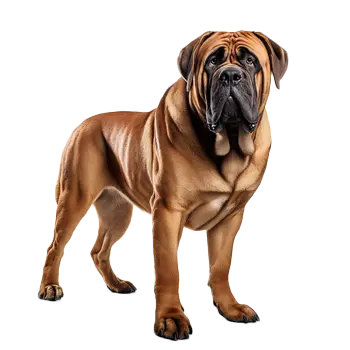
The Mastiff, also known as the English Mastiff, stands as one of the largest and most imposing dog breeds in existence, commanding attention wherever they go. Males typically stand at a minimum of 30 inches at the shoulder and can weigh between 160 to 230 pounds, while females are slightly smaller at a minimum of 27.5 inches and weigh between 120 to 170 pounds. Some exceptional males may exceed 200 pounds, with the breed holding records for being among the heaviest dogs ever documented. The Mastiff's massive, powerful frame combines impressive substance with surprising athleticism, featuring a broad, deep chest that extends well below the elbow, strong straight legs, and heavy bone structure throughout that supports their tremendous weight. The breed's head is perhaps its most striking feature, appearing massive and broad when viewed from any angle and contributing significantly to the breed's commanding presence. The forehead is flat between the ears and slightly wrinkled when alert, giving the face character and expression. A pronounced stop separates the forehead from the muzzle, which is approximately half the length of the skull, appearing broad and blunt when viewed from the front. The characteristic black mask covers the muzzle, nose, and extends up around the eyes, creating a distinct facial marking that is essential to proper breed type. Dark hazel to brown eyes are set wide apart and convey the breed's gentle, dignified expression that belies their intimidating size. Medium-sized V-shaped ears are set high and rounded at the tips, hanging close to the cheeks. The Mastiff's short, dense double coat lies close to the body and provides adequate protection in various weather conditions while being easy to maintain. Acceptable colors include fawn, apricot, and brindle, all featuring the distinctive black mask and ears that define the breed's appearance. The tail is set moderately high, reaching to the hocks or below, and is carried straight or with a slight curve but never over the back. Despite their enormous size, Mastiffs should move with powerful, ground-covering strides that appear effortless, demonstrating the breed's underlying athleticism and strength.
Key Characteristics
Temperament Temperament Temperament Temperament Temperament Temperament Mastiffs are intelligent dogs that respond well to patient, consistent training using positive reinforcement methods rather than harsh corrections. They can be somewhat stubborn and independent-minded, particularly during adolescence, requiring an owner who can establish clear leadership through gentle guidance. The breed matures slowly, both physically and mentally, often not reaching full maturity until three years of age or older. Early socialization is essential to ensure they develop into confident, well-adjusted adults who respond appropriately to various situations. Despite their low energy levels, Mastiffs benefit from regular moderate exercise to maintain muscle tone and prevent obesity.
Health Considerations Health Considerations Health Considerations Health Considerations Health Considerations Health Considerations Gastric dilatation-volvulus, commonly called bloat, represents a life-threatening emergency that affects deep-chested breeds like the Mastiff with alarming frequency and requires immediate veterinary intervention. This condition causes the stomach to fill with gas and potentially twist, cutting off blood supply and requiring emergency surgical treatment. Additional health concerns include hypothyroidism, progressive retinal atrophy affecting vision, wobbler syndrome affecting the cervical spine and causing coordination problems, and cystinuria, a condition affecting kidney function. The breed's facial structure can also contribute to entropion, where the eyelid rolls inward, causing irritation and potential corneal damage.
Important to Remember
Each hybrid dog is unique and may inherit any combination of traits from either parent breed. The information above represents the characteristics of the purebred parent breeds. Your Mountain Mastiff may favor one parent over the other or display a blend of both. We strongly encourage you to read the complete breed profiles for both the Bernese Mountain Dog and Mastiff to fully understand the range of possible temperaments, health concerns, and care requirements.