Minnie Parson
The Minnie Parson is a cross between the Parson Russell Terrier and the Miniature Pinscher. Because each hybrid inherits a unique combination of traits from both parents, we recommend thoroughly researching both breeds before choosing a Minnie Parson. Pay special attention to temperament, health issues, and care requirements, as your dog may express characteristics from either parent breed.
Parson Russell Terrier

The Parson Russell Terrier is a medium-sized terrier developed in England specifically for fox hunting during the early 19th century, standing between 12 and 15 inches at the shoulder with an ideal height of 14 inches for males and 13 inches for females according to breed standards. Weight ranges from 13 to 17 pounds, creating a well-balanced dog that is slightly longer than tall when measured from the point of shoulder to the buttocks, though appearing more square than its shorter-legged cousin. The breed was developed by Reverend John Russell who sought to create the ideal working fox terrier, and this variant differs from the shorter Jack Russell Terrier primarily in leg length and overall body proportions, presenting a more upstanding, square silhouette better suited for running alongside horses during mounted hunts. The body is athletic and built for endurance and speed, featuring a moderately deep chest that reaches approximately to the elbows, providing adequate heart and lung capacity for sustained work in the field while maintaining enough narrowness to permit entry into fox earths. The back is strong and straight with flexible loins, allowing the dog to maneuver through underground dens and tight spaces while pursuing quarry. Legs are straight, strong, and positioned to provide both speed and agility, with the front assembly showing good shoulder layback for reach and the rear having moderate angulation for powerful drive. The overall impression is of a balanced, workmanlike terrier capable of covering ground efficiently. The coat comes in three types: smooth featuring short, dense, flat-lying hair; broken combining both smooth and rough sections with some facial furnishings; and rough featuring longer, harsh hair throughout requiring more grooming. All varieties have a dense undercoat providing weather protection and feature a harsh, weather-resistant texture. The predominant color is white, typically with black, tan, or tricolor markings concentrated on the head and base of the tail. The head is flat and moderately broad with a distinct stop, strong jaws capable of holding quarry, and a black nose. Eyes are almond-shaped and dark with an intelligent, keen expression reflecting the breed's alert nature. Ears are small, V-shaped, and fold forward close to the head. The tail is customarily docked where permitted, set high and carried gaily.
Key Characteristics
Temperament Temperament Temperament Temperament Temperament Temperament Despite their demanding nature, Parson Russell Terriers form devoted bonds with their families and can be wonderfully entertaining companions for active households that understand and accommodate their considerable needs. They excel in numerous dog sports including agility where their speed and enthusiasm shine, flyball, and earthdog trials where their natural abilities are celebrated. The breed typically does well with older children who can match their energy and understand appropriate dog interaction. However, their strong prey drive makes them unsuitable for homes with small pets unless raised together carefully from early puppyhood. Their confidence around other dogs sometimes exceeds their size, requiring proper socialization.
Health Considerations Health Considerations Health Considerations Health Considerations Health Considerations Health Considerations Deafness occurs at elevated rates in Parson Russell Terriers, particularly in dogs with predominantly white heads, due to genetic factors linking coat color and inner ear development that affect many predominantly white breeds. Spinocerebellar ataxia, a neurological condition causing progressive loss of coordination and balance, has been identified in the breed. A severe immune deficiency condition called ARSCID (autosomal recessive severe combined immunodeficiency) makes affected puppies highly susceptible to infections that healthy puppies would easily overcome, typically proving fatal in early life. Responsible breeders test for known genetic conditions to reduce these problems in subsequent generations. Additional concerns include dental issues requiring regular care and the typical orthopedic problems affecting active, athletic dogs.
Miniature Pinscher
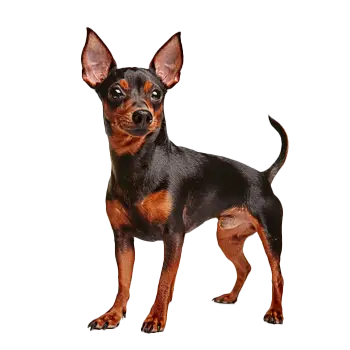
The Miniature Pinscher is a compact, elegant toy breed that stands between 10 and 12.5 inches at the shoulder and weighs from 8 to 11 pounds when fully mature, presenting a picture of refined athleticism in miniature form. Despite superficial resemblance to the Doberman Pinscher, the Miniature Pinscher is actually an older breed developed independently in Germany, likely from crosses between Dachshunds and Italian Greyhounds, with the Doberman being developed later using different foundation stock. The body is well-proportioned and sturdy for a toy dog, featuring a level topline, moderately tucked abdomen, and straight, well-muscled legs that create a square profile when viewed from the side with height equal to length from chest to buttocks. One of the breed's most distinctive characteristics is its high-stepping hackney gait, similar to the animated movement of a Hackney horse at the trot. This proud, stylish way of moving involves the front legs lifting high with a pronounced bend at the wrist before extending forward, creating an unmistakable and eye-catching appearance that draws attention whenever the dog moves. The rear legs match with equally animated action providing strong drive. This movement reflects the breed's confident, self-assured personality and contributes to its reputation as a flashy, attention-grabbing companion that seems to strut rather than simply walk. The head is narrow and elongated with a strong muzzle, flat skull, and alert expression that conveys intelligence, spirit, and constant awareness of surroundings. Ears are set high and may be cropped to stand erect or left natural, in which case they fold forward or sometimes stand upright depending on individual cartilage strength. Eyes are dark, slightly oval, and bright with keen expression. The coat is short, smooth, and sleek, lying close to the body with a natural sheen and requiring minimal grooming beyond occasional brushing to remove loose hair. Accepted colors include solid red ranging from stag red with intermingled black hairs to deep rust, as well as black, chocolate, blue, or fawn with sharply defined rust-colored markings appearing above the eyes, on the cheeks, muzzle, throat, chest, legs, feet, and beneath the tail in a specific pattern.
Key Characteristics
Temperament Temperament Temperament Temperament Temperament Temperament Miniature Pinschers form strong bonds with their families and are affectionate companions who enjoy cuddling, burrowing under blankets, and close physical contact with their favorite people. They are known for their playful, mischievous nature and seemingly perpetual motion, earning descriptions as "perpetual motion machines" from those who live with them. The breed can be challenging with other dogs, particularly unfamiliar ones, and may attempt to dominate much larger dogs without regard for size differences. Their escape artist tendencies are legendary, requiring secure fencing and constant vigilance at doors. Cold intolerance is significant due to their thin coat and low body fat, necessitating sweaters and limited outdoor time during winter months.
Health Considerations Health Considerations Health Considerations Health Considerations Health Considerations Health Considerations Additional health concerns include hypothyroidism, which can cause weight gain despite normal appetite, lethargy, skin problems, and coat changes when the thyroid gland produces insufficient hormones. Epilepsy may occur in some individuals, requiring lifelong medication management to control seizures and maintain quality of life. A rare genetic storage disease called mucopolysaccharidosis Type VI has been identified in the breed, causing skeletal abnormalities, facial changes, and other systemic problems. Dental disease requires particular attention in this small breed, with regular brushing and professional cleanings recommended to prevent tartar accumulation and periodontal disease. Heart conditions may develop with age, making regular cardiac screening advisable for older dogs. Responsible breeders screen for known genetic conditions to improve breed health.
Important to Remember
Each hybrid dog is unique and may inherit any combination of traits from either parent breed. The information above represents the characteristics of the purebred parent breeds. Your Minnie Parson may favor one parent over the other or display a blend of both. We strongly encourage you to read the complete breed profiles for both the Parson Russell Terrier and Miniature Pinscher to fully understand the range of possible temperaments, health concerns, and care requirements.