Miniature Schnaupin
The Miniature Schnaupin is a cross between the Miniature Schnauzer and the Miniature Pinscher. Because each hybrid inherits a unique combination of traits from both parents, we recommend thoroughly researching both breeds before choosing a Miniature Schnaupin. Pay special attention to temperament, health issues, and care requirements, as your dog may express characteristics from either parent breed.
Miniature Schnauzer
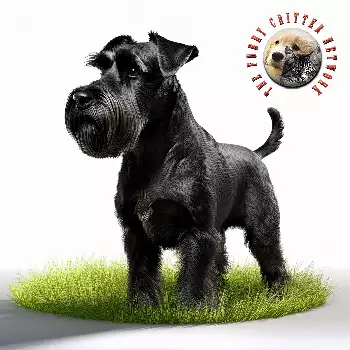
The Miniature Schnauzer is a small, sturdy, and squarely built dog that stands between 12 and 14 inches at the shoulder and typically weighs between 11 and 20 pounds. This breed presents a robust, nearly square appearance with a body length approximately equal to its height at the withers. Despite its compact size, the Miniature Schnauzer displays strong bone structure and substantial muscular development without any appearance of toyishness. The chest is moderately broad with well-sprung ribs and a visible forechest, while the back is straight and strong with a short, well-developed loin. The most recognizable feature of the Miniature Schnauzer is its distinctive facial furnishings, including a prominent beard, bushy eyebrows, and mustache that give the breed its characteristic wise and dignified expression. The head is rectangular with a flat skull and strong muzzle of equal length. The eyes are small, deep-set, dark brown, and oval-shaped with a keen and alert expression. The ears are set high and can be cropped to stand erect or left natural, folding forward in a V-shape. The breed's double coat consists of a hard, wiry outer coat and a close, soft undercoat. Standard colors include salt and pepper, black and silver, and solid black, with the salt and pepper being most common. The Miniature Schnauzer's coat requires regular grooming to maintain its proper texture and appearance. Hand stripping is the preferred method for show dogs, though many pet owners opt for clipping. The furnishings on the legs, beard, and eyebrows are allowed to grow longer, while the body coat is kept shorter. The tail is traditionally docked and carried erect, though many countries now prohibit this practice. The legs are straight and parallel when viewed from the front, with round, compact feet featuring well-arched toes and thick, black pads. The breed moves with a smooth, powerful, and ground-covering gait.
Key Characteristics
Temperament Temperament Temperament Temperament Temperament Temperament The Miniature Schnauzer possesses a terrier-like personality with a dash of stubbornness that can emerge during training. However, their intelligence and food motivation typically make them responsive to positive training methods. The breed has a strong prey drive due to its ratting heritage and may chase small animals or be tempted by squirrels during walks. Vocal by nature, Miniature Schnauzers may bark more than some owners prefer, making bark training an important consideration. Without sufficient mental and physical exercise, they can become bored and develop unwanted behaviors. Their sociable nature means they do not do well with extended periods of isolation and thrive best in households where they receive regular attention and interaction.
Health Considerations Health Considerations Health Considerations Health Considerations Health Considerations Health Considerations Myotonia congenita is a hereditary muscle disorder found in some Miniature Schnauzer lines that causes muscle stiffness and difficulty moving. Genetic testing is available to identify carriers before breeding. Liver diseases, including portosystemic shunts and chronic hepatitis, occur more frequently in this breed than in many others. Dental disease is prevalent due to the breed's small mouth and crowded teeth, making regular dental care essential. Hypothyroidism, skin allergies, and comedone syndrome, a condition causing blackhead-like bumps along the back, are additional health concerns. Responsible breeders screen for hereditary conditions, and obtaining a puppy from health-tested parents significantly reduces the risk of inherited disorders.
Miniature Pinscher
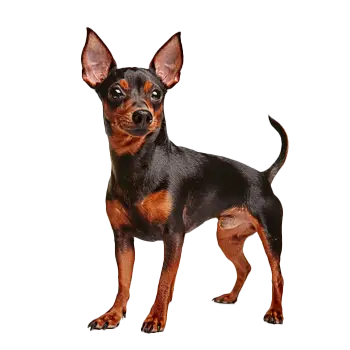
The Miniature Pinscher is a small, compact dog that stands between 10 and 12.5 inches tall at the shoulder and typically weighs between 8 and 11 pounds. Despite its diminutive size, this breed presents a well-balanced, sturdy appearance with a proud and confident stance that commands attention. The body is square-proportioned, meaning the length from the forechest to the buttocks equals the height at the withers, creating the breed's characteristic elegant silhouette. The topline is level or slightly sloping toward the rear, and the chest is moderately deep with well-sprung ribs that provide adequate heart and lung capacity for this energetic breed. The breed's coat is short, smooth, hard, and lustrous, lying close to the body and requiring minimal grooming beyond occasional brushing. Accepted coat colors include solid clear red ranging from stag red to dark red, stag red which features red with intermingling black hairs creating a distinctive overlay, black with sharply defined rust-red markings above the eyes, on the muzzle, throat, chest, legs, and beneath the tail, and chocolate with rust-red markings in the same pattern. The head is elongated and narrow with a flat skull and a strong muzzle that parallels the top of the skull. The eyes are dark, slightly oval, and set well apart with an alert and spirited expression that reflects the breed's lively personality. One of the most distinctive features of the Miniature Pinscher is its characteristic hackney gait, a high-stepping, prancing movement resembling that of a Hackney horse, with forelegs lifting high and extending forward with precision. The ears are set high and can be cropped to stand erect or left natural in a button or erect position. The tail is traditionally docked and carried slightly above the back, though many countries now prohibit docking. The legs are straight and well-boned with small, catlike feet featuring well-arched toes and thick pads. This elegant and athletic appearance earned the breed the nickname King of Toys, reflecting its regal bearing and confident demeanor.
Key Characteristics
Temperament Temperament Temperament Temperament Temperament Temperament The Miniature Pinscher is naturally wary of strangers and makes an excellent watchdog, alerting its family to any unusual activity with sharp, persistent barking. While not aggressive by nature, the breed can be territorial and may challenge unfamiliar dogs regardless of size. Early socialization is essential to develop a well-rounded temperament. Min Pins are generally good with older children who understand how to handle small dogs respectfully but may be too fragile and quick to snap for households with toddlers. Their high energy level and playful nature make them entertaining companions who thrive on interaction and activity with their families.
Health Considerations Health Considerations Health Considerations Health Considerations Health Considerations Health Considerations Other health concerns include mucopolysaccharidosis type VI, a rare inherited metabolic disorder, and epilepsy, which can cause seizures. Heart conditions such as mitral valve disease have been reported in the breed. The Miniature Pinscher's small size makes it susceptible to hypoglycemia, particularly in puppies, requiring careful attention to feeding schedules. Dental disease is common due to the breed's small mouth, making regular dental care essential. Responsible breeders screen for hereditary conditions, and obtaining a puppy from health-tested parents significantly reduces the risk of inherited disorders.
Important to Remember
Each hybrid dog is unique and may inherit any combination of traits from either parent breed. The information above represents the characteristics of the purebred parent breeds. Your Miniature Schnaupin may favor one parent over the other or display a blend of both. We strongly encourage you to read the complete breed profiles for both the Miniature Schnauzer and Miniature Pinscher to fully understand the range of possible temperaments, health concerns, and care requirements.