Miniature Pinschelkhound
The Miniature Pinschelkhound is a cross between the Miniature Pinscher and the Norwegian Elkhound. Because each hybrid inherits a unique combination of traits from both parents, we recommend thoroughly researching both breeds before choosing a Miniature Pinschelkhound. Pay special attention to temperament, health issues, and care requirements, as your dog may express characteristics from either parent breed.
Miniature Pinscher
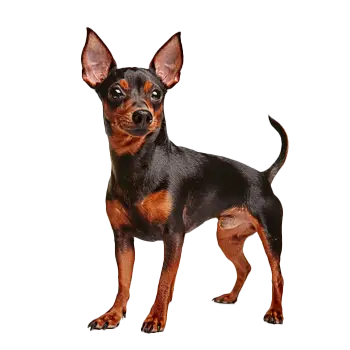
The Miniature Pinscher is a small, compact dog that stands between 10 and 12.5 inches tall at the shoulder and typically weighs between 8 and 11 pounds. Despite its diminutive size, this breed presents a well-balanced, sturdy appearance with a proud and confident stance that commands attention. The body is square-proportioned, meaning the length from the forechest to the buttocks equals the height at the withers, creating the breed's characteristic elegant silhouette. The topline is level or slightly sloping toward the rear, and the chest is moderately deep with well-sprung ribs that provide adequate heart and lung capacity for this energetic breed. The breed's coat is short, smooth, hard, and lustrous, lying close to the body and requiring minimal grooming beyond occasional brushing. Accepted coat colors include solid clear red ranging from stag red to dark red, stag red which features red with intermingling black hairs creating a distinctive overlay, black with sharply defined rust-red markings above the eyes, on the muzzle, throat, chest, legs, and beneath the tail, and chocolate with rust-red markings in the same pattern. The head is elongated and narrow with a flat skull and a strong muzzle that parallels the top of the skull. The eyes are dark, slightly oval, and set well apart with an alert and spirited expression that reflects the breed's lively personality. One of the most distinctive features of the Miniature Pinscher is its characteristic hackney gait, a high-stepping, prancing movement resembling that of a Hackney horse, with forelegs lifting high and extending forward with precision. The ears are set high and can be cropped to stand erect or left natural in a button or erect position. The tail is traditionally docked and carried slightly above the back, though many countries now prohibit docking. The legs are straight and well-boned with small, catlike feet featuring well-arched toes and thick pads. This elegant and athletic appearance earned the breed the nickname King of Toys, reflecting its regal bearing and confident demeanor.
Key Characteristics
Temperament Temperament Temperament Temperament Temperament Temperament The Miniature Pinscher is naturally wary of strangers and makes an excellent watchdog, alerting its family to any unusual activity with sharp, persistent barking. While not aggressive by nature, the breed can be territorial and may challenge unfamiliar dogs regardless of size. Early socialization is essential to develop a well-rounded temperament. Min Pins are generally good with older children who understand how to handle small dogs respectfully but may be too fragile and quick to snap for households with toddlers. Their high energy level and playful nature make them entertaining companions who thrive on interaction and activity with their families.
Health Considerations Health Considerations Health Considerations Health Considerations Health Considerations Health Considerations Other health concerns include mucopolysaccharidosis type VI, a rare inherited metabolic disorder, and epilepsy, which can cause seizures. Heart conditions such as mitral valve disease have been reported in the breed. The Miniature Pinscher's small size makes it susceptible to hypoglycemia, particularly in puppies, requiring careful attention to feeding schedules. Dental disease is common due to the breed's small mouth, making regular dental care essential. Responsible breeders screen for hereditary conditions, and obtaining a puppy from health-tested parents significantly reduces the risk of inherited disorders.
Norwegian Elkhound
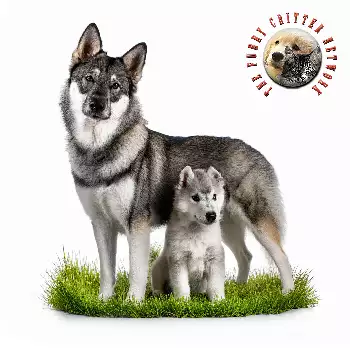
The Norwegian Elkhound is a medium-sized spitz-type dog that presents a square, athletic build perfectly suited for its heritage as a versatile Nordic hunting dog. Males typically stand between 19.5 and 20.5 inches at the shoulder and weigh approximately 50 to 60 pounds, while females are slightly smaller at 18 to 19.5 inches and 40 to 55 pounds. The breed's sturdy, compact body demonstrates substantial bone and muscular development without appearing heavy or cumbersome. The chest is deep and moderately wide with well-sprung ribs, providing excellent lung capacity for the endurance required during long hunts. The Norwegian Elkhound's most distinctive feature is its luxurious double coat that provides protection from harsh Scandinavian weather. The outer coat is thick, hard, and weather-resistant with straight, coarse hair that stands off from the body. The dense, soft, woolly undercoat provides exceptional insulation. The characteristic coloring is gray with black-tipped outer hairs, lighter silver-gray on the chest, stomach, legs, underside of the tail, and buttocks, and darker shading on the saddle. A distinctive black muzzle, ears, and tip of tail complete the classic appearance. The breed sheds heavily, particularly during seasonal coat changes when the undercoat is blown. The head is wedge-shaped and broad at the ears with a clearly defined stop. The muzzle is of medium length with a straight bridge and black nose. The eyes are medium-sized, oval, and dark brown with an alert, keen expression that reflects the breed's intelligence and confidence. The ears are set high, firm, and erect with slightly rounded tips, highly mobile to catch sounds while hunting. The tail is one of the breed's defining characteristics, set high and tightly curled over the centerline of the back. Strong, straight legs with oval, compact feet and thick paw pads support the breed's agile movement and tireless trotting gait.
Key Characteristics
Temperament Temperament Temperament Temperament Temperament Temperament This highly energetic breed requires substantial daily exercise to maintain physical and mental health. Norwegian Elkhounds excel in various activities including hiking, jogging, and dog sports such as agility and tracking. Without adequate exercise and mental stimulation, they can become bored and develop destructive behaviors or excessive barking. The breed typically gets along well with other dogs, especially when raised together, though their strong prey drive may make them unsuitable for homes with small pets. Norwegian Elkhounds are generally patient and playful with children, though their exuberance may be overwhelming for very young children.
Health Considerations Health Considerations Health Considerations Health Considerations Health Considerations Health Considerations The breed is prone to hypothyroidism, which affects metabolism and can cause weight gain, lethargy, skin problems, and coat changes. This condition is manageable with daily thyroid hormone replacement medication. Norwegian Elkhounds can develop sebaceous cysts, benign skin growths that may require surgical removal if they become bothersome. The breed's thick double coat predisposes them to hot spots and other skin irritations, particularly in warm climates. Epilepsy and primary open-angle glaucoma have also been reported in the breed. Regular veterinary checkups, a balanced diet, appropriate exercise, and obtaining puppies from health-tested parents help ensure the longest, healthiest life possible.
Important to Remember
Each hybrid dog is unique and may inherit any combination of traits from either parent breed. The information above represents the characteristics of the purebred parent breeds. Your Miniature Pinschelkhound may favor one parent over the other or display a blend of both. We strongly encourage you to read the complete breed profiles for both the Miniature Pinscher and Norwegian Elkhound to fully understand the range of possible temperaments, health concerns, and care requirements.