Mini Wire Hair Snauzer
The Mini Wire Hair Snauzer is a cross between the Miniature Schnauzer and the Wire Fox Terrier. Because each hybrid inherits a unique combination of traits from both parents, we recommend thoroughly researching both breeds before choosing a Mini Wire Hair Snauzer. Pay special attention to temperament, health issues, and care requirements, as your dog may express characteristics from either parent breed.
Miniature Schnauzer
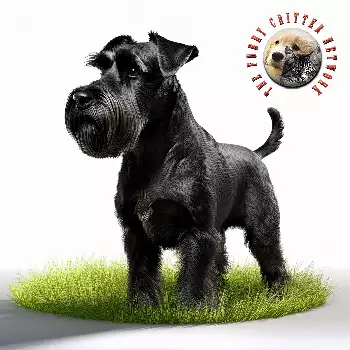
The Miniature Schnauzer is a sturdy, robust small dog standing between 12 and 14 inches tall at the shoulder and weighing between 11 and 20 pounds. This breed presents a nearly square profile when viewed from the side, with the body length being approximately equal to the height at the withers. The overall impression is one of a compact, well-proportioned dog with a distinctive appearance that sets it apart from other terrier and small breeds. The build is athletic and muscular without appearing coarse or heavy, reflecting the breed's origins as an active farm dog capable of various working tasks. The most distinctive feature of the Miniature Schnauzer is its wiry double coat, which consists of a hard, dense outer coat and a soft, close-fitting undercoat. The breed is recognized in three colors by most kennel clubs: salt and pepper, black and silver, and solid black. The salt and pepper coloring is the most common, featuring banded hairs that create a pepper-gray appearance. The characteristic furnishings include prominent bushy eyebrows that frame the face and an impressive beard and mustache that give the breed its name, derived from the German word for muzzle or snout. The head of the Miniature Schnauzer is rectangular in shape, with a strong muzzle that is the same length as the flat, unwrinkled skull. The eyes are medium-sized, dark brown, and oval-shaped, set forward on the head with an alert, intelligent expression that conveys their keen awareness. The ears are set high on the skull and are V-shaped, folding close to the head when left natural or standing erect if cropped in regions where this practice is permitted. The neck is strong and arched, blending smoothly into well-laid-back shoulders. The legs are straight with strong, round feet featuring thick, black pads designed for sure-footed movement. The tail is set high and typically docked where permitted, though natural tails are increasingly common and are carried erect or with a slight curve.
Key Characteristics
Temperament Temperament Temperament Temperament Temperament Temperament Miniature Schnauzers are naturally vocal dogs and make excellent watchdogs, readily alerting their families to visitors or unusual sounds with their distinctive bark. While this trait serves well for home security, it can become excessive without proper management and training. They generally get along well with children and can be excellent family pets, though early socialization is important to help them develop good manners around other dogs and pets. Some individuals may display possessiveness over food or toys, and some may be assertive with other dogs, particularly those of the same sex. With proper socialization and training, they become well-rounded companions that adapt successfully to various living situations from apartments to homes with yards.
Health Considerations Health Considerations Health Considerations Health Considerations Health Considerations Health Considerations Miniature Schnauzers are more susceptible to urinary stones than any other breed, particularly calcium oxalate stones. These stones can form in the bladder or kidneys, causing discomfort, difficulty urinating, and potentially requiring surgical removal. Feeding appropriate diets and ensuring adequate hydration can help reduce risk. Eye conditions including cataracts and progressive retinal atrophy can affect vision and may require monitoring or treatment. Diabetes mellitus occurs more frequently in this breed than many others. Liver shunts, where blood bypasses the liver rather than flowing through it normally, can cause stunted growth and neurological symptoms. Regular dental care is important as dental disease is common. Myotonia congenita, a muscle stiffness disorder, has been identified in the breed and can be detected through genetic testing.
Wire Fox Terrier

The Wire Fox Terrier is a medium-sized terrier standing up to 15.5 inches tall at the shoulder, with males typically weighing 15 to 19 pounds and females weighing 15 to 17 pounds. The breed presents a balanced, square appearance when viewed from the side, with the height at the withers being approximately equal to the length from shoulder to hip. The overall impression is one of a well-built, elegant dog designed for speed, power, and endurance, embodying the classic fox terrier type that was developed for bolting foxes from their dens. The distinctive coat of the Wire Fox Terrier is dense, wiry, and broken in texture, consisting of twisted hairs so thick and close together that the skin cannot be seen when parted. The outer coat is harsh and crisp, providing excellent protection from weather and brush, while the undercoat is short and soft. The predominant color is white, which should cover more than half of the body, with black, tan, or black and tan markings. The markings typically appear on the head, ears, saddle, and base of the tail. The coat requires regular hand-stripping or professional grooming to maintain its proper texture and appearance. The head of the Wire Fox Terrier is flat and moderately narrow, with a slight stop and a strong muzzle that tapers gradually to a black nose. The skull and muzzle are approximately equal in length, creating a well-balanced head profile. The eyes are small, dark, and deeply set, conveying a keen, intelligent expression full of fire and life. The ears are small, V-shaped, and fold forward close to the cheeks, set high on the skull. The neck is clean and muscular, flowing smoothly into well-laid-back shoulders. The legs are straight and strong, leading to small, round, compact feet. The tail is set high and carried erect, typically docked to about three-quarters of its original length where permitted.
Key Characteristics
Temperament Temperament Temperament Temperament Temperament Temperament Wire Fox Terriers require experienced owners who understand terrier temperament and can provide firm, consistent leadership. Without proper training and boundaries, they may develop behavioral issues including excessive barking, digging, and destructive behaviors stemming from boredom or frustration. They have strong prey drive instincts and will chase small animals, requiring secure fencing and leashed walks. Early socialization is essential to help them learn appropriate behavior with other dogs, as they can be assertive and sometimes aggressive toward unfamiliar dogs. They are vocal dogs with a sharp, penetrating bark that they use freely to communicate, alert, and express themselves. With proper training, exercise, and mental stimulation, they make devoted, entertaining, and spirited companions for active households.
Health Considerations Health Considerations Health Considerations Health Considerations Health Considerations Health Considerations Patellar luxation, where the kneecap slips out of its normal position, can occur in Wire Fox Terriers and may require surgical correction in severe cases. Hip dysplasia and elbow dysplasia, though more commonly associated with larger breeds, can also affect this breed. Degenerative myelopathy, a progressive neurological condition affecting the spinal cord, has been documented in the breed and causes gradual loss of coordination and mobility in the hind limbs. Dental disease is common and requires regular attention including daily brushing and professional cleanings. As Wire Fox Terriers age, they may become more susceptible to cancer, which is a leading cause of death in older dogs of this breed. Wobbler syndrome, affecting the cervical spine, and various skin conditions have also been reported in the breed.
Important to Remember
Each hybrid dog is unique and may inherit any combination of traits from either parent breed. The information above represents the characteristics of the purebred parent breeds. Your Mini Wire Hair Snauzer may favor one parent over the other or display a blend of both. We strongly encourage you to read the complete breed profiles for both the Miniature Schnauzer and Wire Fox Terrier to fully understand the range of possible temperaments, health concerns, and care requirements.