Mini Poxer
The Mini Poxer is a cross between the Pug and the Mini Fox Terrier. Because each hybrid inherits a unique combination of traits from both parents, we recommend thoroughly researching both breeds before choosing a Mini Poxer. Pay special attention to temperament, health issues, and care requirements, as your dog may express characteristics from either parent breed.
Pug
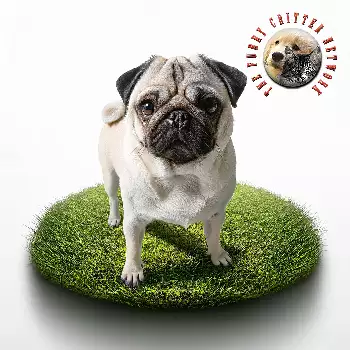
The Pug is a compact, square-proportioned toy breed that embodies the Latin phrase multum in parvo, meaning much in little, perfectly describing this substantial dog in a small package. This sturdy little dog typically stands 10 to 13 inches at the shoulder and weighs between 14 and 18 pounds, presenting a well-muscled and solidly built frame despite its small size. The breed displays exceptional substance and symmetry, with a body length from chest to buttocks equaling the height at the withers, creating the ideal square proportion. The chest is deep and wide, the ribs are well-sprung, and the topline is level, creating a compact and balanced silhouette that conveys strength and determination without appearing cloddy or leggy. The Pug possesses a short, fine, smooth coat that lies close to the body and has a glossy, healthy appearance when properly maintained. Despite appearing sleek, the breed typically has a dense double coat that sheds considerably throughout the year, requiring regular grooming to manage loose hair. Accepted colors include fawn ranging from apricot to silver, and solid black, with fawn being the most common. Fawn Pugs display clearly defined markings including a black mask covering the muzzle and extending around the eyes, black ears, black moles on the cheeks, a thumb mark or diamond on the forehead, and a trace, which is a black line extending from the occiput to the tail along the back. The head is the Pug's most distinctive feature, being large, round, and covered with characteristic deep wrinkles that require regular cleaning. The face is flat and square, with a short, blunt muzzle that creates the breed's instantly recognizable brachycephalic appearance. The eyes are large, prominent, globular, and very dark, conveying an expression of earnest concern that Pug enthusiasts find irresistible. Small, thin, soft ears may be either rose-shaped, folding back to expose the inner ear, or button-shaped, folding forward with the tip covering the ear opening, with button ears preferred. The tail curls tightly over the hip in a characteristic corkscrew, with a double curl considered ideal by breed standards.
Key Characteristics
Temperament Temperament Temperament Temperament Temperament Temperament Pugs are generally friendly toward strangers, children, and other animals, making them excellent family pets and poor guard dogs. They typically greet newcomers with wagging tails rather than warning barks, though they will alert their families to unusual sounds or visitors. The breed can display a stubborn streak during training, but their desire to please their owners usually prevails with patient, positive reinforcement methods. Food motivation is particularly effective with this breed, though care must be taken to avoid overfeeding. Early socialization helps develop confident, well-rounded Pugs that interact positively with people and animals throughout their lives.
Health Considerations Health Considerations Health Considerations Health Considerations Health Considerations Health Considerations Eye problems are common in Pugs due to their prominent, bulging eyes, which are vulnerable to injury and various conditions. Corneal ulcers, dry eye, entropion, pigmentary keratitis, and proptosis (displacement of the eyeball) all occur with increased frequency in this breed. Obesity represents a significant concern, with Pugs being twice as likely to become overweight as other breeds, which exacerbates breathing difficulties and contributes to joint problems. Hip dysplasia, patellar luxation, and hemivertebrae, a spinal deformity related to the breed's curled tail, affect many individuals. Skin fold dermatitis in the facial wrinkles requires regular cleaning to prevent infection. Kidney and bladder stones also occur more frequently in Pugs, requiring dietary management and monitoring.
Mini Fox Terrier

The Mini Fox Terrier, affectionately known as the Mini Foxie in its native Australia, is a small, fine-boned working terrier developed for hunting vermin and serving as an alert family companion. This compact breed typically stands between 9.5 and 12 inches at the shoulder and weighs between 8 and 12 pounds, presenting a balanced and athletic appearance despite its diminutive size. The body is slightly longer than tall, displaying a level topline, well-sprung ribs, and a moderately deep chest that provides ample lung capacity for this energetic breed. The legs are straight and well-boned, providing the agility and speed necessary for the breed's original hunting purpose. The overall impression is one of elegance combined with strength and agility, a true working terrier in miniature form. The Mini Fox Terrier possesses a short, fine, and smooth coat that lies close to the body and requires minimal grooming to maintain its neat appearance. The coat has a glossy, healthy appearance when properly cared for and provides adequate protection despite its shortness. Accepted color patterns include black and white, tan and white, and tricolor combinations featuring black, tan, and white markings in clearly defined patches. The body is predominantly white, typically comprising at least 50 percent of the coat, with darker coloring concentrated on the head and sometimes appearing as patches or spots elsewhere on the body. This distinctive coloring gives the breed a smart, eye-catching appearance that distinguishes it from similar terrier breeds. The head is distinctive and proportionate to the body, featuring a moderately wedge-shaped skull with a defined stop and a tapering muzzle of moderate length. The ears may be either erect or semi-erect with tips folding forward, adding to the breed's alert and inquisitive expression. Eyes are oval-shaped, dark, and convey intelligence and curiosity, giving the breed its characteristic keen expression. The neck is clean and slightly arched, flowing into well-laid shoulders that allow for free movement. The feet are small, oval-shaped, and compact with well-arched toes. The tail is traditionally docked where permitted, though naturally bobbed tails also occur in the breed, and is carried upright when alert.
Key Characteristics
Temperament Temperament Temperament Temperament Temperament Temperament Within the family environment, Mini Fox Terriers are affectionate and entertaining companions who enjoy being involved in daily activities. They typically get along well with children who treat them respectfully, though supervision is recommended due to the breed's small size. Their strong prey drive means careful introductions are necessary with smaller pets such as rodents or rabbits. The breed adapts well to various living situations, including apartments, provided they receive adequate exercise and mental enrichment. They form deep attachments to their families and may experience separation anxiety if left alone for extended periods.
Health Considerations Health Considerations Health Considerations Health Considerations Health Considerations Health Considerations Dental health requires particular attention in the Mini Fox Terrier due to their small jaw size, which can lead to crowding of teeth and increased susceptibility to periodontal disease. Regular dental care, including professional cleanings and at-home tooth brushing, helps maintain oral health. Some individuals may develop skin allergies or sensitivities that manifest as itching, redness, or hair loss. As with all small breeds, hypoglycemia can be a concern in puppies and very small adults, requiring careful attention to feeding schedules. Overall, the breed benefits from routine preventive care, a nutritious diet, and regular exercise to maintain optimal health throughout their long lives.
Important to Remember
Each hybrid dog is unique and may inherit any combination of traits from either parent breed. The information above represents the characteristics of the purebred parent breeds. Your Mini Poxer may favor one parent over the other or display a blend of both. We strongly encourage you to read the complete breed profiles for both the Pug and Mini Fox Terrier to fully understand the range of possible temperaments, health concerns, and care requirements.