Mini Foxillon
The Mini Foxillon is a cross between the Miniature Fox Terrier and the Papillon. Because each hybrid inherits a unique combination of traits from both parents, we recommend thoroughly researching both breeds before choosing a Mini Foxillon. Pay special attention to temperament, health issues, and care requirements, as your dog may express characteristics from either parent breed.
Miniature Fox Terrier

The Miniature Fox Terrier, affectionately known as the Mini Foxie, is a diminutive yet remarkably athletic Australian breed that typically stands between 9.5 and 12 inches tall at the shoulder and weighs between 8 and 12 pounds. This breed possesses a distinctly elegant appearance with a well-proportioned body that is slightly longer than it is tall, showcasing remarkable agility and impressive speed for its compact size. The Mini Foxie has a refined, noble head with a moderately pointed muzzle and large, expressive dark eyes that convey intelligence, alertness, and an eager readiness for action. Their erect ears are a defining characteristic of the breed, though they may stand completely upright or fold slightly at the tips, adding to their charming and perpetually attentive expression. The coat of the Miniature Fox Terrier is short, smooth, and close-lying against the body, requiring only minimal grooming while providing adequate protection from the elements during outdoor activities. The breed standard recognizes three permitted color combinations: black and white, tan and white, and tricolor featuring black, white, and tan markings distributed attractively across the body. The coat typically displays a predominantly white base with colored markings concentrated on the head and sometimes extending along the back and sides. Their distinctive oval-shaped feet are a unique breed characteristic that immediately sets them apart from similar terrier breeds and other small dogs. The Mini Foxie's physical structure clearly reflects its heritage as a working terrier bred for speed and endurance, combining the sleek elegance inherited from Italian Greyhound and Whippet crosses with the sturdy, compact terrier build necessary for hunting small vermin in challenging terrain. Their deep, well-developed chest allows for excellent lung capacity during active pursuit, while their well-muscled hindquarters provide explosive speed and remarkable ability to quickly change direction when chasing prey. The tail may be naturally short, naturally bobbed, or docked according to traditional practice, though many regions now favor the natural tail. Overall, the Miniature Fox Terrier presents as a refined, alert, and athletically built small dog that successfully embodies both aesthetic beauty and practical functional capability.
Key Characteristics
Temperament Temperament Temperament Temperament Temperament Temperament While the Miniature Fox Terrier is generally friendly and outgoing with family members, they can display a somewhat reserved or cautious demeanor with strangers until properly introduced. Early socialization is essential to ensure they develop into well-rounded adults who are comfortable in various situations. These dogs can be scrappy with other dogs, particularly those of the same sex, and their terrier heritage can lead to a somewhat independent or stubborn streak during training. However, their desire to please their owners combined with their intelligence makes them responsive to consistent, positive reinforcement training methods that incorporate play and rewards.
Health Considerations Health Considerations Health Considerations Health Considerations Health Considerations Health Considerations Dental health requires particular attention in the Mini Foxie, as small breeds are frequently prone to dental disease, tartar buildup, and tooth loss if regular dental care is not maintained. Von Willebrand's disease, a blood clotting disorder, has been identified in some lines of the breed, making it advisable to request health testing from breeders. Allergies, both environmental and food-related, may affect some individuals, manifesting as skin irritation, itching, or digestive upset. Hypothyroidism, a condition where the thyroid gland produces insufficient hormones, can occasionally occur and is typically manageable with daily medication. Responsible breeders who are members of breed clubs actively screen their breeding stock to minimize the transmission of these hereditary conditions to future generations.
Papillon
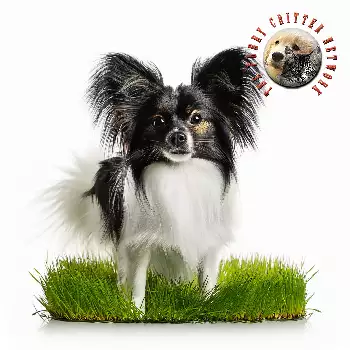
The Papillon is an exquisitely elegant toy spaniel whose name derives from the French word for butterfly, a reference to the breed's most distinctive feature: large, upright ears that are heavily fringed with long, flowing hair and spread outward like butterfly wings in flight. Standing 8 to 11 inches at the shoulder and weighing between 5 and 10 pounds, the Papillon presents a picture of delicate refinement while possessing a surprisingly hardy constitution that belies its dainty appearance. The breed also occurs in a drop-eared variety known as the Phalène, meaning moth, which displays ears that hang down rather than stand erect, though both ear types can occur within the same litter. The Papillon's fine-boned, elegant structure features a slightly rounded skull, a well-defined stop, and a thin, tapering muzzle approximately one-third the length of the head. The large, round eyes are dark and set fairly wide apart, conveying an alert, intelligent expression that captures the breed's bright personality. The body is slightly longer than it is tall, with a level topline and a well-developed chest that reaches to the elbows. Movement is free, quick, and graceful, reflecting the breed's animated nature. The long, plumed tail is set high and arches over the back in a flowing curve, adding to the breed's aristocratic silhouette. The Papillon's abundant single coat is long, fine, silky, and straight, flowing elegantly over the body without an undercoat. This coat characteristic means the breed does not experience the heavy seasonal shedding common to double-coated breeds and is often considered more suitable for allergy sufferers than many other breeds. The coat is shorter on the head, muzzle, and front of the legs, with profuse fringing on the ears, chest, backs of the legs, and tail. Color is always predominantly white with patches of any color, with markings typically covering both ears and extending over both eyes. The overall impression is of a dainty, elegant dog with an abundantly coated appearance that has graced the laps of European royalty and appeared in masterpiece paintings for centuries.
Key Characteristics
Temperament Temperament Temperament Temperament Temperament Temperament While Papillons form deep bonds with their families and thrive on human companionship, they can develop separation anxiety if left alone for extended periods without proper conditioning. They generally get along well with children, other dogs, and even cats when properly socialized, though their small size means they can be accidentally injured by very young or boisterous children and should be supervised during interactions. The breed's friendly, adaptable nature makes them excellent travel companions who adjust readily to new environments. Papillons maintain their playful, puppy-like demeanor well into their senior years, bringing joy and entertainment to their families throughout their long lives.
Health Considerations Health Considerations Health Considerations Health Considerations Health Considerations Health Considerations Progressive retinal atrophy, a group of degenerative eye diseases that gradually lead to blindness, has been documented in the Papillon breed. Genetic testing is available to identify carriers of certain forms of this condition, allowing breeders to make informed decisions to reduce its occurrence. Dental disease represents a significant concern for Papillons and most toy breeds, as their small mouths can lead to crowding and accelerated tartar accumulation. Regular dental care including brushing and professional cleanings is essential. Seizure disorders have been observed in some Papillon lines and may require lifelong medication management. The breed's single coat provides minimal insulation against cold temperatures, making them sensitive to winter weather and requiring protection when outdoors in cold climates.
Important to Remember
Each hybrid dog is unique and may inherit any combination of traits from either parent breed. The information above represents the characteristics of the purebred parent breeds. Your Mini Foxillon may favor one parent over the other or display a blend of both. We strongly encourage you to read the complete breed profiles for both the Miniature Fox Terrier and Papillon to fully understand the range of possible temperaments, health concerns, and care requirements.