Min Pin Frise
The Min Pin Frise is a cross between the Bichon Frise and the Miniature Pinscher. Because each hybrid inherits a unique combination of traits from both parents, we recommend thoroughly researching both breeds before choosing a Min Pin Frise. Pay special attention to temperament, health issues, and care requirements, as your dog may express characteristics from either parent breed.
Bichon Frise
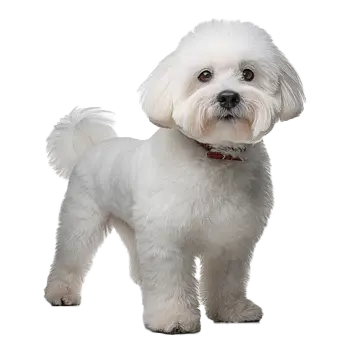
The Bichon Frise is a small, sturdy dog breed that stands between nine and a half to eleven and a half inches tall at the shoulder and typically weighs between twelve and eighteen pounds. The breed presents a distinctive powder-puff appearance created by its abundant double coat, which gives the dog a rounded, cloud-like silhouette when properly groomed. The body is compact and slightly longer than tall, with a level topline and well-sprung ribs that provide adequate chest depth without appearing heavy or cumbersome. The overall structure conveys strength and substance without coarseness, reflecting the breed's history as a companion dog. The breed's hallmark is its beautiful white coat, though subtle shadings of cream, buff, or apricot around the ears or body are permissible under the breed standard. The coat consists of a soft, dense undercoat and a coarser, curly outer coat that stands away from the body, creating the characteristic poufy appearance that makes the breed so recognizable. This double coat requires regular professional grooming to prevent matting and maintain the rounded look that defines the breed. Monthly grooming appointments combined with daily brushing at home are typically necessary. The coat sheds minimally and produces less dander than many breeds, making Bichons popular among allergy sufferers, though no dog is truly hypoallergenic. The Bichon Frise has a slightly rounded skull with a well-defined stop and a moderately proportioned muzzle that ends in a prominent black nose, providing a striking contrast against the white coat. The eyes are round, dark brown or black, surrounded by dark skin called halos, and express an alert, inquisitive, and happy personality. The dropped ears are covered with flowing hair and hang close to the head, framing the face beautifully. The tail is plumed with long, flowing hair and is carried gaily curved over the back, adding to the breed's cheerful appearance. The legs are straight and moderately boned with good angulation, ending in round, tight feet with black paw pads. The breed's movement is effortless and precise, presenting a picture of balance, symmetry, and joyful energy.
Key Characteristics
Temperament Temperament Temperament Temperament Temperament Temperament The Bichon Frise forms strong bonds with its family and does not do well when left alone for extended periods. The breed is prone to separation anxiety and thrives in homes where someone is present for most of the day or where they have companionship from other pets. While they make alert watchdogs and will bark to announce visitors, this tendency can develop into excessive barking without proper training. Early socialization helps ensure they grow into confident, well-adjusted adults. Their adaptable nature makes them suitable for various living situations, including apartments, as long as their needs for companionship and moderate exercise are met.
Health Considerations Health Considerations Health Considerations Health Considerations Health Considerations Health Considerations Other health concerns include cataracts and corneal dystrophy, which can affect vision, and hip dysplasia, though this is less common than in larger breeds. Diabetes can develop, particularly in overweight or older dogs, requiring careful diet management and potentially insulin therapy. Cushing's disease, a hormonal disorder caused by overproduction of cortisol, has been noted in the breed. Ear infections are common due to the hair that grows inside the ear canal, requiring regular ear cleaning and maintenance. Interestingly, studies have shown that Bichon Frises tend to develop cancer later in life compared to many other breeds, with an average age of diagnosis around eleven and a half years.
Miniature Pinscher
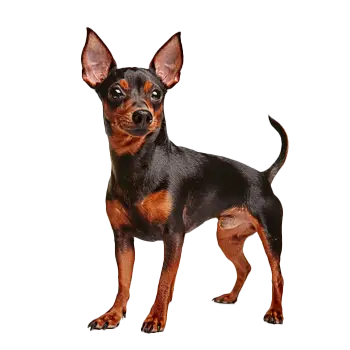
The Miniature Pinscher is a compact, elegant toy breed that stands ten to twelve and a half inches tall at the shoulder and typically weighs between eight and ten pounds. Despite frequent confusion, this breed is not a miniaturized version of the Doberman Pinscher but rather an older breed with its own distinct lineage dating back several centuries in Germany. The body is square-proportioned, with the length equal to the height at the withers, presenting a sleek, athletic silhouette that reflects the breed's energetic nature. The chest is moderately deep with well-sprung ribs, and the topline is level or slightly sloping toward the rear, with a graceful neck that flows smoothly into the shoulders. The Miniature Pinscher has a smooth, short coat that lies close to the body and requires minimal grooming beyond occasional brushing to remove loose hair and maintain shine. The coat lacks an undercoat, which means these dogs are sensitive to cold weather and may need protective clothing in winter months or in air-conditioned environments. Accepted coat colors include solid red in various shades from clear stag red to dark brownish red, black with sharply defined rust markings, and chocolate with rust markings. The rust markings appear in specific, well-defined locations: above the eyes, on the cheeks, lips, lower jaw, throat, chest, legs, feet, and below the tail base. One of the most distinctive features of the Miniature Pinscher is its high-stepping hackney gait, similar to that of a hackney horse, where the front legs lift high at the wrist with each step, creating an animated, prancing movement that is unique to this breed. The head is elongated and wedge-shaped with a flat skull, strong muzzle, and a black nose in most color varieties. The eyes are dark, oval-shaped, and express a sharp, alert intelligence that reflects the breed's watchful nature. The ears are set high and can be naturally erect or cropped, carried erect when alert. The tail is set high and typically docked short, though natural tails are increasingly common where docking is prohibited. The overall appearance conveys elegance, alertness, and spirited confidence.
Key Characteristics
Temperament Temperament Temperament Temperament Temperament Temperament The Miniature Pinscher's terrier-like tenacity can manifest as aggression toward other dogs if not properly socialized, particularly with dogs of the same sex. They require significant mental and physical stimulation to prevent destructive behaviors and boredom-related issues. Their independent streak can make training challenging, though they respond well to positive reinforcement methods that engage their intelligence. Despite their sometimes challenging personality, well-trained and socialized Min Pins are loyal, entertaining companions that form strong bonds with their owners and provide endless entertainment with their playful antics and spirited nature.
Health Considerations Health Considerations Health Considerations Health Considerations Health Considerations Health Considerations Hypothyroidism, a condition where the thyroid gland produces insufficient hormones, can affect Miniature Pinschers, causing weight gain, lethargy, skin problems, and coat changes. Heart defects, including mitral valve disease, have been documented in the breed and require regular veterinary monitoring. Hip dysplasia, while less common than in larger breeds, can occur and cause mobility issues. The breed's short coat and lack of undercoat make them susceptible to cold temperatures, requiring protection in winter weather. Their small size also makes them prone to injuries from jumping off furniture or rough handling, so care should be taken to prevent accidental trauma.
Important to Remember
Each hybrid dog is unique and may inherit any combination of traits from either parent breed. The information above represents the characteristics of the purebred parent breeds. Your Min Pin Frise may favor one parent over the other or display a blend of both. We strongly encourage you to read the complete breed profiles for both the Bichon Frise and Miniature Pinscher to fully understand the range of possible temperaments, health concerns, and care requirements.