Mastador
The Mastador is a cross between the Mastiff and the Labrador Retriever. Because each hybrid inherits a unique combination of traits from both parents, we recommend thoroughly researching both breeds before choosing a Mastador. Pay special attention to temperament, health issues, and care requirements, as your dog may express characteristics from either parent breed.
Mastiff
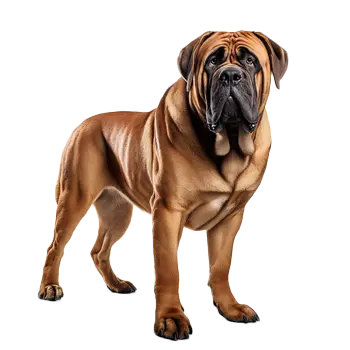
The Mastiff stands as one of the largest and most imposing dog breeds in the world, holding records for overall mass among canine breeds. Males typically reach heights of 30 inches or more at the shoulder and weigh between 160 and 230 pounds, while females measure at least 27.5 inches tall and weigh between 120 and 170 pounds. This breed possesses a massive, heavy-boned frame with a powerful, muscular build that conveys both strength and dignity. The body is rectangular and well-proportioned, with a broad chest, deep ribcage, and substantial bone structure throughout. Despite their enormous size, Mastiffs should move with purpose and coordination, displaying a ground-covering gait that demonstrates their athletic capability. The head of the Mastiff is one of its most distinctive features, being broad and massive with a short, square muzzle and pronounced stop. The face displays characteristic heavy wrinkles, particularly when the dog is alert or interested, which frame expressive dark eyes set wide apart. A black mask covers the muzzle and extends up around the eyes, adding to the breed's distinctive appearance. The ears are small in proportion to the head, V-shaped, and set high on the skull, lying close to the cheeks. The breed's expression should convey a combination of alertness, kindness, and dignity that reflects its gentle temperament. The coat of the Mastiff is short, straight, and dense, lying close to the body and providing adequate weather protection. Acceptable coat colors include apricot, fawn, and brindle, always accompanied by the characteristic black mask on the face. The skin is moderately loose, particularly around the head and neck, contributing to the heavily wrinkled appearance that defines the breed. The tail is set moderately high, wide at the root, and tapers to the tip, reaching to the hocks or slightly below. Overall, the Mastiff presents a picture of massive symmetry and balanced proportions that commands immediate attention and respect.
Key Characteristics
Temperament Temperament Temperament Temperament Temperament Temperament Training a Mastiff requires patience and consistency, as these dogs can be somewhat stubborn and independent-minded. They respond best to positive reinforcement methods and gentle handling, as harsh corrections can damage their sensitive nature. Early socialization is essential to help Mastiffs develop into well-adjusted adults who are comfortable in various situations. Despite their calm demeanor, Mastiffs have moderate exercise needs and enjoy daily walks and play sessions. They are sensitive dogs who tune into their owners' emotions and often attempt to provide comfort during stressful times.
Health Considerations Health Considerations Health Considerations Health Considerations Health Considerations Health Considerations Cardiac issues, including dilated cardiomyopathy, affect Mastiffs at higher rates than many other breeds. Regular cardiac screening is recommended throughout the dog's life. The breed also shows predisposition to certain cancers, particularly osteosarcoma and hemangiosarcoma, which are common causes of death in giant breeds. Progressive retinal atrophy can affect vision, and obesity poses a significant risk due to the strain excess weight places on already stressed joints and organs. Regular veterinary care, appropriate nutrition, and weight management are essential for maintaining a Mastiff's health and quality of life.
Labrador Retriever

The Labrador Retriever is a medium to large-sized, strongly built, athletic dog that exemplifies balance and functionality in every aspect of its structure. Males typically stand between 22.5 and 24.5 inches at the shoulder and weigh 65 to 80 pounds, while females measure 21.5 to 23.5 inches and weigh 55 to 70 pounds. The breed possesses a short-coupled, powerful body with substantial bone structure and well-developed musculature throughout. The Labrador's build reflects its heritage as a working retriever, combining strength, stamina, and agility in a compact, athletic package. The chest is deep and wide, providing ample room for heart and lungs, while the topline remains level from withers to croup during movement and while standing. The head of the Labrador Retriever is clean-cut and broad, with a moderate stop and a wide muzzle of medium length that allows the dog to carry game gently. The expression is kind and intelligent, conveyed through medium-sized eyes that are brown in black and yellow dogs and brown or hazel in chocolates. The ears are set relatively far back on the skull, hanging moderately close to the head, and are proportionate in size. One of the breed's most distinctive features is the otter tail, which is thick at the base and gradually tapers toward the tip, covered all around with the breed's characteristic short, dense coat. This powerful tail serves as a rudder when swimming and provides balance during quick directional changes. The Labrador's double coat is another defining characteristic, consisting of a soft, weather-resistant undercoat and a short, straight, dense outer coat that lies close to the body. This water-resistant coat protects the dog when retrieving in cold water and harsh weather conditions. The breed comes in three recognized colors: black, yellow ranging from light cream to fox red, and chocolate ranging from light to dark. The coat should feel fairly hard to the touch. Webbed feet aid in swimming ability, and the breed's overall structure enables efficient movement both on land and in water.
Key Characteristics
Temperament Temperament Temperament Temperament Temperament Temperament Socially, Labradors are among the most gregarious of breeds. They typically get along well with children, other dogs, and even cats when properly introduced. Their friendly nature extends to strangers, making them poor guard dogs but excellent family companions. However, their enthusiasm can sometimes be overwhelming, particularly for small children or elderly individuals, as these exuberant dogs may jump up or knock people over in their excitement. Early training to establish calm greetings and impulse control is essential. Labradors thrive on companionship and can develop separation anxiety or destructive behaviors if left alone for extended periods.
Health Considerations Health Considerations Health Considerations Health Considerations Health Considerations Health Considerations Eye conditions affect Labradors at notable rates, with progressive retinal atrophy being a particular concern. This inherited condition causes gradual vision loss and eventual blindness, though genetic testing allows breeders to identify carriers and affected dogs. Exercise-induced collapse is another inherited condition found in Labradors, causing affected dogs to experience weakness and collapse during intense exercise. Ear infections occur frequently due to the breed's floppy ears, which trap moisture and debris. Labradors also face elevated risk of certain cancers, including hemangiosarcoma and lymphoma. Regular veterinary checkups, appropriate exercise, weight management, and genetic testing help ensure Labradors live long, healthy lives.
Important to Remember
Each hybrid dog is unique and may inherit any combination of traits from either parent breed. The information above represents the characteristics of the purebred parent breeds. Your Mastador may favor one parent over the other or display a blend of both. We strongly encourage you to read the complete breed profiles for both the Mastiff and Labrador Retriever to fully understand the range of possible temperaments, health concerns, and care requirements.