Lhasa-Corgi
The Lhasa-Corgi is a cross between the Pembroke Welsh Corgi and the Lhasa Apso. Because each hybrid inherits a unique combination of traits from both parents, we recommend thoroughly researching both breeds before choosing a Lhasa-Corgi. Pay special attention to temperament, health issues, and care requirements, as your dog may express characteristics from either parent breed.
Pembroke Welsh Corgi
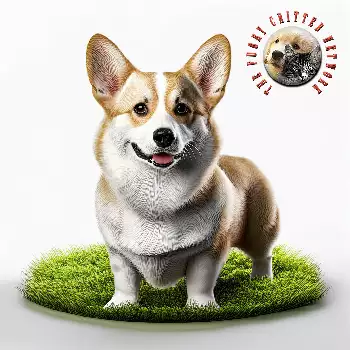
The Pembroke Welsh Corgi is a low-set, sturdy herding dog standing 10 to 12 inches tall at the shoulder and weighing up to 30 pounds for males and 28 pounds for females. This breed is classified as an achondroplastic or true dwarf breed, characterized by a long body set on short, powerful legs that enabled it to nip at the heels of cattle while dodging their kicks. Despite its small stature, the Pembroke presents an impression of substance and stamina, with well-developed musculature and a deep chest that reaches to the elbows. The body is approximately 40 percent longer than tall, with a level topline and a moderately broad, slightly tapered loin. The head of the Pembroke Welsh Corgi is foxy in shape and expression, featuring a fairly wide, flat skull between moderately sized, erect ears that taper to slightly rounded points. The eyes are oval-shaped, medium in size, and brown in color, conveying an intelligent and alert expression. The muzzle is neither dish-faced nor Roman-nosed, tapering slightly toward the black nose. One of the breed's most distinctive features is its naturally short tail or docked tail, though docking is now prohibited in many countries, and some Pembrokes are born with naturally bobbed tails. The Pembroke Welsh Corgi wears a medium-length double coat that is weather-resistant and lies flat against the body. The undercoat is short, thick, and dense, while the outer coat is longer and coarser. The coat is slightly longer around the neck, chest, and shoulders, forming a slight ruff. Acceptable colors include red, sable, fawn, and black and tan, with or without white markings on the legs, chest, neck, muzzle, and as a narrow blaze on the head. Many Pembrokes display what fanciers call fairy saddle markings on their backs, created by changes in the thickness and direction of the hair growth.
Key Characteristics
Temperament Temperament Temperament Temperament Temperament Temperament The Pembroke Welsh Corgi possesses remarkable energy and stamina for its size, requiring regular exercise and mental stimulation to remain happy and well-behaved. They enjoy long walks, play sessions, and activities that engage both body and mind. Despite their active nature, they are adaptable dogs that can thrive in various living situations provided their exercise needs are met. Pembrokes are generally good with children and other pets when properly socialized, though supervision is recommended due to their herding tendencies. Their affectionate, playful nature and entertaining antics have made them beloved companions worldwide, contributing to their consistent popularity among dog breeds.
Health Considerations Health Considerations Health Considerations Health Considerations Health Considerations Health Considerations Progressive retinal atrophy, an inherited degenerative eye disease leading to blindness, and cataracts are eye conditions that can affect Pembroke Welsh Corgis. Obesity is a significant concern in the breed, as Pembrokes have hearty appetites and their long backs make excess weight particularly problematic for spinal health. Owners must carefully monitor food intake and ensure adequate exercise to maintain healthy body condition. Patellar luxation, where the kneecap slips out of position, can cause lameness. Dental disease is common and requires regular preventive care. Epilepsy causing seizures has been documented in the breed, though it is generally manageable with medication.
Lhasa Apso

The Lhasa Apso is a small but sturdy dog breed standing 10 to 11 inches tall at the shoulder, with males typically weighing 12 to 18 pounds and females being slightly smaller and lighter. This breed presents a distinctively rectangular body shape that is longer than it is tall, supported by well-developed, straight legs with round, catlike feet that feature thick pads and arched toes. The head features a medium-length muzzle that is approximately one-third the total head length, with a skull that is neither completely domed nor flat, and a moderate stop between the eyes. Dark brown eyes are partially concealed by the breed's characteristic heavy facial furnishings, while pendant ears hang close to the head and are heavily feathered with long hair that blends into the overall coat. The crowning glory of the Lhasa Apso is its magnificent double coat, which consists of a hard, straight, heavy outer coat of considerable length and a softer, moderately dense undercoat that provides insulation. When maintained in full show coat, the hair parts naturally down the center of the back from head to tail and cascades to the floor on both sides, creating a dramatic and elegant silhouette. The face is adorned with long whiskers and a full beard, with hair falling over the eyes in a manner that gives the breed its characteristic dignified and somewhat mysterious expression. The heavily plumed tail is carried in a curl over the back, often with a distinctive kink at the tip that is considered correct for the breed. The Lhasa Apso comes in a remarkable array of colors including honey, golden, sandy, slate, smoke, parti-color, black, white, brown, and various shades of grizzle. All colors are equally acceptable in the breed standard, though darker tips on the ears and beard are common and add to the breed's distinguished appearance. The overall impression is of a well-balanced, hardy dog with an elegant, flowing coat that speaks to the breed's ancient origins as a prized companion in Tibetan monasteries and noble households.
Key Characteristics
Temperament Temperament Temperament Temperament Temperament Temperament Within their family circle, Lhasa Apsos often show a playful, even clownish side that delights their owners. They have moderate energy levels and are content with daily walks and indoor play sessions, making them well-suited to apartment living. While they can be good family dogs, they tend to bond most closely with adults and may be impatient with young children who do not understand how to interact gently with dogs. The Lhasa Apso prefers to give and receive affection on its own terms, expecting respect for its boundaries while remaining a loyal and loving companion to those who earn its trust.
Health Considerations Health Considerations Health Considerations Health Considerations Health Considerations Health Considerations The breed's elongated body structure predisposes it to intervertebral disc disease, where the cushioning discs between vertebrae can bulge or rupture, causing pain and potentially paralysis. Owners should prevent their Lhasa Apsos from jumping on and off furniture and use ramps when necessary. Patellar luxation and hip dysplasia are additional orthopedic concerns that may affect mobility. Dental disease is extremely common due to the breed's small mouth and crowded teeth, requiring diligent home dental care and regular professional cleanings. Skin conditions including sebaceous adenitis and allergic dermatitis also occur and may require ongoing management.
Important to Remember
Each hybrid dog is unique and may inherit any combination of traits from either parent breed. The information above represents the characteristics of the purebred parent breeds. Your Lhasa-Corgi may favor one parent over the other or display a blend of both. We strongly encourage you to read the complete breed profiles for both the Pembroke Welsh Corgi and Lhasa Apso to fully understand the range of possible temperaments, health concerns, and care requirements.