Labollie
The Labollie is a cross between the Labrador Retriever and the Collie. Because each hybrid inherits a unique combination of traits from both parents, we recommend thoroughly researching both breeds before choosing a Labollie. Pay special attention to temperament, health issues, and care requirements, as your dog may express characteristics from either parent breed.
Labrador Retriever

The Labrador Retriever is a medium to large-sized sporting dog known for its athletic build and well-balanced proportions that convey both strength and agility. Males typically stand 22.5 to 24.5 inches at the shoulder and weigh between 65 and 80 pounds, while females measure 21.5 to 23.5 inches and weigh 55 to 70 pounds. The breed exhibits a strong, well-muscled body that reflects its heritage as a working retriever, with a broad chest, powerful hindquarters, and a level topline that demonstrates the balanced structure essential for its demanding work. The overall impression is one of a sturdy, capable dog built for endurance and versatility in both water and field work, with substance and athletic ability evident in every aspect of its structure. One of the breed's most distinctive features is its otter-like tail, which is thick at the base, gradually tapering toward the tip, and covered with the same dense coat as the body without any feathering. This unique tail serves as a powerful rudder when swimming, demonstrating the breed's remarkable adaptation to water retrieval work. Labrador Retrievers also possess webbed paws that significantly enhance their swimming ability, making them exceptional water dogs capable of working in challenging aquatic conditions. The head is broad and clean-cut with a pronounced stop, kind and intelligent eyes that convey the breed's characteristically friendly temperament, and medium-sized ears that hang moderately close to the head. The Labrador's double coat is a defining characteristic essential to its function, consisting of a soft, weather-resistant undercoat and a short, dense, straight outer coat that feels hard to the touch. This waterproof coat effectively protects the dog in cold water and harsh weather conditions, enabling it to work in demanding environments. The breed comes in three recognized solid colors: black, yellow ranging from light cream to rich fox red, and chocolate. The coat requires regular brushing to manage moderate year-round shedding, with heavier shedding occurring seasonally. This practical, functional appearance has remained consistent throughout the breed's history, reflecting its ongoing role as both a versatile working dog and beloved family companion.
Key Characteristics
Temperament Temperament Temperament Temperament Temperament Temperament Labradors are highly social dogs that thrive on human interaction and do not do well when left alone for extended periods. They typically get along excellently with other dogs, pets, and strangers, showing little to no aggression. Their high energy level requires adequate daily exercise to prevent boredom-related behaviors such as chewing, digging, or excessive barking. Mental stimulation is equally important for this intelligent breed. While their exuberance can be overwhelming for some, particularly during their extended puppyhood which can last until age three or four, proper training and exercise channel their energy positively. The Labrador's combination of friendliness, intelligence, and adaptability continues to make it an ideal choice for families, working roles, and companionship.
Health Considerations Health Considerations Health Considerations Health Considerations Health Considerations Health Considerations Other health conditions affecting the breed include progressive retinal atrophy, a degenerative eye disease that can lead to blindness, and exercise-induced collapse, a genetic condition causing muscle weakness and collapse following intense exercise. Bloat remains a concern for deep-chested dogs like Labradors, requiring awareness of risk factors and warning signs. Ear infections are common due to the breed's floppy ears that trap moisture, necessitating regular cleaning and inspection. Cancer, particularly hemangiosarcoma and lymphoma, occurs at higher rates in Labradors than in some other breeds. The typical lifespan ranges from 11 to 13 years, and regular veterinary care, appropriate nutrition, consistent exercise, and genetic health screening contribute to maximizing both longevity and quality of life.
Collie
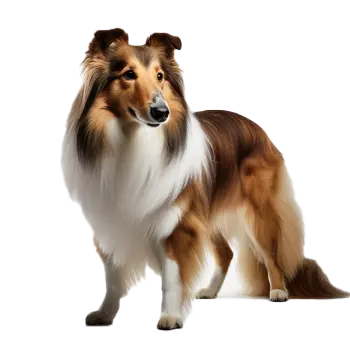
The Collie is a medium to large-sized herding dog renowned for its elegant appearance and graceful movement. Males typically stand 24 to 26 inches at the shoulder and weigh between 60 and 75 pounds, while females measure 22 to 24 inches and weigh 50 to 65 pounds. The breed presents a lithe, strong body with a deep chest that tapers to a well-defined waist, creating an outline of speed and agility perfectly suited to its herding heritage. The Collie moves with a smooth, effortless gait that covers ground efficiently, reflecting generations of selective breeding for stamina and working ability. The Collie's head is one of its most distinctive features, appearing as a lean, blunted wedge shape when viewed from the front or side. The skull is flat with a slight stop, and the muzzle is rounded but not squared off at the end. The eyes are almond-shaped and set somewhat obliquely, giving the breed its characteristic sweet, intelligent expression. Eye color is typically dark brown, though blue merle Collies may have blue or merle eyes. The ears are distinctive as well, being three-quarters erect with the top quarter tipping forward naturally, contributing to the breed's alert and refined appearance. Two coat varieties exist within the breed: the Rough Collie with its abundant, long double coat, and the Smooth Collie with a shorter, denser flat coat. The Rough variety features a particularly impressive mane and frill around the neck and chest, with feathering on the legs and a long, flowing tail. Both varieties share the same body structure and come in four recognized colors: sable and white in shades ranging from light gold to deep mahogany, tricolor featuring black with white markings and tan shadings, blue merle with a marbled gray and black pattern, and white with sable, tricolor, or blue merle head markings. This elegant coat, combined with the refined head and expressive eyes, creates the iconic Collie appearance beloved by generations.
Key Characteristics
Temperament Temperament Temperament Temperament Temperament Temperament While Collies are friendly and affectionate with their families, they tend to be reserved with strangers, making them effective watchdogs who will alert their owners to anything unusual. They are known to be vocal dogs and can develop excessive barking habits if not properly trained and provided with adequate mental stimulation. Collies require moderate exercise, typically about an hour daily, and remain calm and well-mannered indoors when their physical and mental needs are met. Their combination of intelligence, gentleness, loyalty, and beauty has made them beloved companions for over a century, from working farm dogs to family pets to cultural icons like the famous Lassie.
Health Considerations Health Considerations Health Considerations Health Considerations Health Considerations Health Considerations Dermatomyositis is an inherited inflammatory disease affecting the skin and muscles that occurs more frequently in Collies than in most other breeds. Symptoms typically appear in puppies under six months of age and include skin lesions on the face, ears, and legs, along with muscle weakness in severe cases. Hip dysplasia, while less common than in some larger breeds, does occur in Collies and warrants screening. Bloat can affect deep-chested breeds including Collies, requiring awareness of symptoms and risk factors. Epilepsy and degenerative myelopathy have also been documented in the breed. The typical Collie lifespan ranges from 12 to 14 years, with some individuals living considerably longer. Genetic testing for CEA, MDR1, and PRA-rcd2 allows breeders to make informed breeding decisions and helps ensure healthier puppies.
Important to Remember
Each hybrid dog is unique and may inherit any combination of traits from either parent breed. The information above represents the characteristics of the purebred parent breeds. Your Labollie may favor one parent over the other or display a blend of both. We strongly encourage you to read the complete breed profiles for both the Labrador Retriever and Collie to fully understand the range of possible temperaments, health concerns, and care requirements.