La-Chon
The La-Chon is a cross between the Bichon Frise and the Lhasa Apso. Because each hybrid inherits a unique combination of traits from both parents, we recommend thoroughly researching both breeds before choosing a La-Chon. Pay special attention to temperament, health issues, and care requirements, as your dog may express characteristics from either parent breed.
Bichon Frise
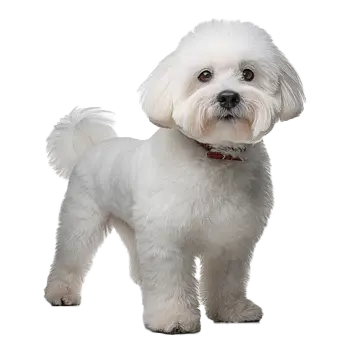
The Bichon Frise is a small, sturdy dog that presents the distinctive appearance of a fluffy white powder puff, combining elegant beauty with surprising substance beneath its abundant coat. Standing 9.5 to 11.5 inches at the shoulder and weighing between 12 and 18 pounds, this breed achieves a perfect balance of compact strength with graceful elegance. The body is slightly longer than tall, with a level topline and a high-set plumed tail that curves gracefully over the back. Despite their delicate appearance, Bichons possess medium bone and well-developed musculature that reflects their heritage as active companion dogs capable of performing tricks and participating in various canine sports. The breed's head is well-proportioned to the body, with a slightly rounded skull, a moderately defined stop, and a muzzle that is neither snippy nor coarse. The eyes are one of the breed's most captivating features: dark, round, and expressive, set looking straight ahead, and surrounded by dark pigmentation called halos that accentuate their alert, curious expression. The ears are drop-shaped, set slightly above eye level, covered with long flowing hair, and blend into the head when properly groomed. When groomed, the head appears as a perfectly round ball of fluffy white hair, creating the breed's signature look. The Bichon Frise's coat is undoubtedly one of its most distinctive features, consisting of a soft, dense undercoat and a coarser, curlier outer coat that combine to create a unique plush texture remarkably similar to velvet. When properly maintained through regular bathing and brushing, the coat springs back when touched and stands off from the body to create the characteristic powder puff appearance. The coat is always white, the only color accepted. Adult dogs may retain slight buff, cream, or apricot shadings around the ears, but excessive coloring is undesirable. The coat requires extensive dedicated grooming including daily brushing and monthly professional grooming to maintain its beauty and proper texture.
Key Characteristics
Temperament Temperament Temperament Temperament Temperament Temperament One characteristic that defines the Bichon Frise is its dislike of being left alone. This breed thrives on companionship and can develop separation anxiety if regularly left for extended periods, potentially leading to destructive behaviors or excessive barking. Bichons do best in households where they receive ample attention and interaction throughout the day. Despite their small size, they have moderate energy levels and enjoy both active play sessions and quiet cuddle time. The breed is adaptable to various living situations, from apartments to larger homes, as long as their need for human companionship is met. Their combination of playfulness, affection, and adaptability makes them ideal companions for a wide range of owners.
Health Considerations Health Considerations Health Considerations Health Considerations Health Considerations Health Considerations Other health conditions seen in Bichon Frises include diabetes mellitus, which affects the breed at higher rates than many others, requiring lifelong management with insulin and dietary modifications. Cushing's disease, caused by overproduction of cortisol, is also more common in this breed. Eye conditions including cataracts and corneal dystrophy may develop, particularly as dogs age. Patellar luxation affects some individuals, and hip dysplasia, while less common than in larger breeds, has been documented. Liver shunts, where blood bypasses the liver, are a serious hereditary condition seen in the breed. Heart disease becomes more prevalent in senior Bichons. Regular veterinary checkups, appropriate diet, exercise, and attention to grooming needs help ensure that Bichon Frises enjoy their full lifespan as happy, healthy companions.
Lhasa Apso

The Lhasa Apso is a small, sturdy dog with a distinctive rectangular body shape, appearing noticeably longer than tall when viewed from the side, reflecting centuries of careful breeding in the isolated highlands of Tibet. Standing 10 to 11 inches at the shoulder, with females sometimes slightly smaller, and weighing between 12 and 18 pounds, this breed presents a substantial yet compact presence. The body is well-balanced with a level topline, strong loins, and sturdy, straight legs with well-developed muscle. The overall structure reflects the breed's heritage as a hardy mountain dog, developed to withstand the harsh climate of the Tibetan Himalayas where it served as a vigilant sentinel in Buddhist monasteries and noble palaces. The breed's most striking feature is its heavy, dense double coat that parts naturally in the middle and falls straight to the floor when fully grown, creating a dramatic curtain of hair that can completely obscure the body. The outer coat is hard and straight, neither woolly nor silky, providing protection against harsh weather while the softer undercoat provides essential insulation. The abundant head furnishings fall gracefully over the eyes and face, with a well-developed beard and distinctive whiskers contributing to the breed's distinguished, almost mystical appearance. The heavily feathered tail curls over the back, blending into the body coat. Lhasa Apsos come in all colors, with the breed standard accepting any color or combination without preference. Common colors include honey, gold, wheaten, cream, white, black, slate, smoke, and various parti-color combinations. Some dogs display characteristically darker tips on the ears, beard, and tail. The breed's dark brown, almond-shaped eyes are set moderately deep and wide apart, conveying an intelligent, sometimes imperious expression. The ears are pendant and heavily feathered, hanging close to the head. The feet are round and catlike with abundant hair between the toes, providing protection in snowy terrain. The overall impression is of an ancient, dignified dog with aristocratic bearing.
Key Characteristics
Temperament Temperament Temperament Temperament Temperament Temperament Lhasa Apsos are intelligent but notoriously independent and can be stubborn during training. They do not respond well to harsh treatment or repetitive drilling, preferring training that respects their dignity and intelligence. The breed is sensitive to its owner's moods and can be remarkably intuitive about emotional needs. While they enjoy play and activity, they are not demanding of exercise and can adapt well to apartment living. Lhasas may become possessive of their favorite people and can experience separation anxiety if left alone too long. Their unique combination of loyalty, independence, alertness, and affection makes them fascinating companions for owners who appreciate a dog with distinctive personality and ancient heritage.
Health Considerations Health Considerations Health Considerations Health Considerations Health Considerations Health Considerations Brachycephalic airway syndrome can affect some Lhasas due to their somewhat shortened muzzle, causing breathing difficulties especially in hot or humid conditions. The breed may experience intervertebral disc disease due to their elongated body structure, which can cause back pain or even paralysis. Patellar luxation occurs with moderate frequency, and hip dysplasia, while less common than in larger breeds, has been documented. Dental disease is prevalent, as with many small breeds, requiring regular dental care. Skin allergies and ear infections can occur and require appropriate grooming and maintenance. With proper veterinary care, attention to hereditary conditions, and a healthy lifestyle, Lhasa Apsos typically enjoy remarkably long, healthy lives.
Important to Remember
Each hybrid dog is unique and may inherit any combination of traits from either parent breed. The information above represents the characteristics of the purebred parent breeds. Your La-Chon may favor one parent over the other or display a blend of both. We strongly encourage you to read the complete breed profiles for both the Bichon Frise and Lhasa Apso to fully understand the range of possible temperaments, health concerns, and care requirements.