King Rat
The King Rat is a cross between the Cavalier King Charles Spaniel and the Rat Terrier. Because each hybrid inherits a unique combination of traits from both parents, we recommend thoroughly researching both breeds before choosing a King Rat. Pay special attention to temperament, health issues, and care requirements, as your dog may express characteristics from either parent breed.
Cavalier King Charles Spaniel

The Cavalier King Charles Spaniel is a small, elegant toy breed that stands between 12 and 13 inches tall at the shoulder and typically weighs between 13 and 18 pounds. This breed exhibits a well-balanced, compact body that is slightly longer than it is tall, giving it a graceful yet sturdy appearance. The Cavalier carries itself with a gentle, noble expression that reflects its aristocratic heritage. Despite being classified as a toy breed, these dogs possess a moderate bone structure and athletic build that hints at their spaniel ancestry and sporting capabilities. Their movement is free and elegant, with good reach and drive. The breed's coat is one of its most distinctive features, consisting of silky, medium-length fur that may have a slight wave but should never be curly. Feathering appears on the ears, chest, legs, feet, and tail, adding to the breed's elegant appearance. Cavaliers come in four recognized color patterns: Blenheim, which features rich chestnut markings on a pearly white background; tricolor, combining black and white with tan markings over the eyes and on the cheeks; black and tan, showing jet black with rich tan markings; and ruby, a solid rich reddish-brown color throughout. The Blenheim pattern often includes a distinctive lozenge-shaped spot on the top of the head, sometimes called the Blenheim spot or kissing spot. The Cavalier's head is proportionate to its body with a slightly rounded skull and a full muzzle that tapers gently toward the nose. The breed is known for its large, round, dark brown eyes that convey a sweet, gentle expression characteristic of the breed. The ears are set high and are long and well-feathered, framing the face beautifully. The nose is typically black with well-developed nostrils. The tail is carried happily but never much above the level of the back, and it may be left natural or docked to a length that balances with the body.
Key Characteristics
Temperament Temperament Temperament Temperament Temperament Temperament Cavaliers are typically friendly and sociable with strangers and other animals, rarely displaying aggression, nervousness, or excessive shyness. They do not make effective guard dogs because they tend to greet everyone as a potential friend. Their adaptable nature allows them to thrive in various living situations, from apartments to large homes with yards. However, their strong need for human companionship means they should not be left alone for extended periods, as they can develop separation anxiety. These dogs flourish when they receive consistent attention, gentle handling, and the opportunity to be part of all family activities.
Health Considerations Health Considerations Health Considerations Health Considerations Health Considerations Health Considerations Additional health concerns in the breed include patellar luxation, where the kneecap dislocates from its normal position; hip dysplasia; various eye conditions such as cataracts, retinal dysplasia, and dry eye syndrome; and episodic falling syndrome, a condition unique to the breed that causes temporary muscle stiffness during exercise or excitement. Cavaliers may also experience dental problems due to their small mouths and are prone to ear infections because of their long, floppy ears. The breed's average lifespan ranges from 9 to 14 years, though responsible breeding practices and regular veterinary care can help ensure the longest, healthiest life possible.
Rat Terrier
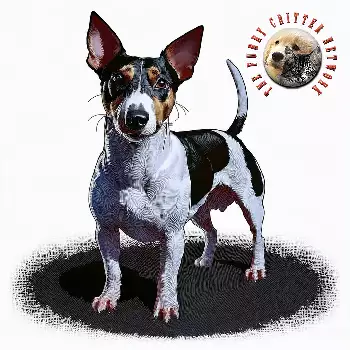
The Rat Terrier is a compact, muscular American breed that comes in two size varieties recognized by the American Kennel Club: the Miniature, standing 10 to 13 inches tall at the shoulder, and the Standard, standing 13 to 18 inches tall. Weight ranges from approximately 10 to 25 pounds depending on the size variety and individual build. This breed exhibits a well-balanced, athletic body with a deep chest, strong back, and moderate bone structure that reflects its heritage as a versatile working farm dog. The overall impression is one of elegance combined with substantial muscular development and agility. The Rat Terrier's coat is short, smooth, dense, and shiny, lying close to the body and providing weather protection while requiring minimal grooming maintenance. The breed displays a distinctive pied pattern, meaning patches of one or more colors on a white background. Accepted colors include black, chocolate, red, apricot, blue, fawn, tan, lemon, and various combinations thereof, always with significant white areas. Solid colors other than white are not acceptable in the breed standard. The coat's natural sheen indicates good health and proper nutrition in a well-cared-for specimen. The Rat Terrier's head is smooth and wedge-shaped when viewed from above, with a moderately wide skull that is flat rather than domed. The ears are set on the outside edges of the skull and may be erect, tipped, or button, with all ear types equally acceptable in the breed standard. The eyes are oval to round, set wide apart, and come in any shade of brown or amber, conveying an alert, intelligent expression. The muzzle is strong and slightly shorter than the skull, with a black or self-colored nose. The tail may be naturally bobtailed or left full length, and docked tails are also acceptable. The legs are straight with well-arched feet, providing the foundation for the breed's characteristic quick, agile movement.
Key Characteristics
Temperament Temperament Temperament Temperament Temperament Temperament Rat Terriers are generally friendly and playful with family members of all ages, though their small size and quick movements mean supervision is advisable around very young children. They typically get along well with other dogs when properly socialized, though their strong prey drive may make them unsuitable for homes with small pets like hamsters or rabbits. These dogs require regular exercise and mental stimulation to remain happy and well-behaved, enjoying activities like fetch, hiking, and interactive games. A bored Rat Terrier may develop destructive behaviors or excessive digging, so providing adequate outlets for their energy and intelligence is essential for a harmonious household.
Health Considerations Health Considerations Health Considerations Health Considerations Health Considerations Health Considerations Heart disease, particularly mitral valve disease, has been documented in Rat Terriers and should be monitored through regular veterinary cardiac evaluations, especially as dogs enter their senior years. Some Rat Terriers may carry genes for Von Willebrand's disease, a blood clotting disorder that can cause excessive bleeding during surgeries or injuries. Progressive retinal atrophy, leading to gradual vision loss, has been identified in the breed, and reputable breeders screen for this condition. Allergies, both environmental and food-related, are fairly common and may manifest as skin irritation or digestive issues. Dental abnormalities can occur, so regular dental care is important. Overall, the Rat Terrier's health is best maintained through regular veterinary checkups, appropriate exercise, quality nutrition, and purchasing puppies from breeders who conduct health testing on their breeding stock.
Important to Remember
Each hybrid dog is unique and may inherit any combination of traits from either parent breed. The information above represents the characteristics of the purebred parent breeds. Your King Rat may favor one parent over the other or display a blend of both. We strongly encourage you to read the complete breed profiles for both the Cavalier King Charles Spaniel and Rat Terrier to fully understand the range of possible temperaments, health concerns, and care requirements.