Jatzu
The Jatzu is a cross between the Japanese Chin and the Shih Tzu. Because each hybrid inherits a unique combination of traits from both parents, we recommend thoroughly researching both breeds before choosing a Jatzu. Pay special attention to temperament, health issues, and care requirements, as your dog may express characteristics from either parent breed.
Japanese Chin

The Japanese Chin is a delicate toy breed that stands between eight and eleven inches at the shoulder and typically weighs between four and eleven pounds, making it one of the smaller companion breeds. This aristocratic little dog possesses an elegant, square-proportioned body with a distinctive appearance that sets it apart from other toy breeds. The breed features a broad, rounded skull with large, wide-set eyes that give the face a characteristic look of astonishment. The short, broad muzzle and well-cushioned upper lips contribute to the breed's unique facial expression. The ears are small, V-shaped, and set wide apart, hanging down and well-feathered with long silky hair. The nose is wide with open nostrils, and its color corresponds to the coat markings. The Japanese Chin's coat is one of its most striking features, consisting of a single layer of long, silky, flowing hair that is straight and resistant to matting. Unlike many toy breeds, the Japanese Chin lacks an undercoat, which contributes to its elegant appearance but requires regular grooming to maintain its lustrous quality. The coat forms a distinctive mane around the neck and shoulders, with profuse feathering on the ears, chest, legs, and tail. Accepted coat colors include black and white, red and white, and occasionally tricolor combinations featuring black, white, and tan markings. The black and white pattern is most commonly seen in the breed, though red and white specimens are equally valued in the show ring. The breed's tail is another distinguishing characteristic, set high and carried over the back in a graceful plume that adds to its regal bearing. The hindquarters are moderately angulated with well-muscled thighs that provide surprising agility for such a refined-looking dog. The Japanese Chin moves with a stylish, high-stepping gait that reflects its aristocratic heritage and centuries of palace breeding. The overall impression is of a refined, dainty dog with an almost cat-like quality in both appearance and demeanor. The breed's fine-boned structure and delicate features require careful handling, particularly around young children who may not understand the dog's fragility.
Key Characteristics
Temperament Temperament Temperament Temperament Temperament Temperament Training a Japanese Chin requires patience and positive reinforcement methods, as they can be sensitive to harsh corrections and may become withdrawn or stubborn if treated roughly. They possess good intelligence and can learn commands and tricks, though they may choose when to comply based on their mood. The breed has a happy, charming disposition and often entertains its family with amusing antics and playful behavior. Japanese Chins are generally quiet dogs that bark infrequently, making them well-suited for apartment living. Their moderate energy level means they are content with short walks and indoor play sessions.
Health Considerations Health Considerations Health Considerations Health Considerations Health Considerations Health Considerations The breed's prominent eyes make them susceptible to various ocular conditions including cataracts, progressive retinal atrophy, dry eye syndrome, and corneal ulcers. Their large, exposed eyes are also vulnerable to injury and irritation. Patellar luxation, where the kneecap slips out of its normal position, occurs with moderate frequency in Japanese Chins and can range from mild to severe cases requiring surgical correction. Additionally, the breed may experience dental disease due to their small mouths and crowded teeth, making regular dental care essential. Epilepsy has also been reported in the breed. Responsible breeders perform health screenings to reduce the incidence of hereditary conditions in their puppies.
Shih Tzu
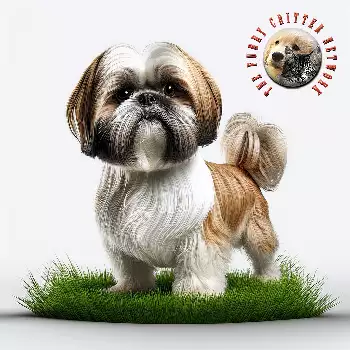
The Shih Tzu is a sturdy, compact toy breed that stands between eight and eleven inches at the shoulder and weighs between nine and sixteen pounds, presenting a surprisingly solid build for its small stature. The breed standard describes the ideal Shih Tzu as being slightly longer than it is tall, creating a rectangular silhouette rather than the square proportions seen in some other toy breeds. This ancient companion breed features a distinctively broad, round head with large, dark, warm eyes set wide apart and a characteristic short, square muzzle. The breed's expression should be warm, sweet, and trusting, reflecting its gentle nature. The Shih Tzu possesses a luxurious double coat that is one of the breed's most distinguishing features. The outer coat is long, dense, and flowing, while the undercoat is soft and woolly. When properly maintained, the coat can reach floor length and flows gracefully as the dog moves. The breed comes in virtually any color or combination of colors, with no color or marking pattern considered more desirable than another. Common colorations include gold and white, black and white, solid black, liver, brindle, and various parti-color combinations. Many Shih Tzus display a white blaze on the forehead and a white tip on the tail, which are considered desirable characteristics. The Shih Tzu's facial structure includes a definite undershot bite, which is required by the breed standard. The jaw should be broad and wide, with the lower teeth fitting closely behind the upper teeth when the mouth is closed. The ears are large, set slightly below the crown of the skull, and hang down heavily coated with long hair that blends into the coat of the neck. The tail is set high and carried in a curved plume over the back, adding to the breed's distinctive silhouette. The overall impression is of an arrogant yet sweet-natured dog with a distinctly oriental appearance.
Key Characteristics
Temperament Temperament Temperament Temperament Temperament Temperament Shih Tzus are excellent with children and generally get along well with other dogs and household pets when properly socialized. They crave human companionship and do not do well when left alone for extended periods, potentially developing separation anxiety that manifests in destructive behavior or excessive barking. The breed makes a good watchdog, alerting their family to visitors or unusual sounds, though they are not aggressive and will likely greet intruders with a wagging tail. Their affectionate nature means they love nothing more than cuddling with their favorite people, though they are equally happy to play and entertain with their clownish antics.
Health Considerations Health Considerations Health Considerations Health Considerations Health Considerations Health Considerations The breed's prominent, exposed eyes make them vulnerable to various ocular conditions including cataracts, progressive retinal atrophy, dry eye syndrome, and corneal injuries. Proptosis, where the eyeball becomes displaced from the socket due to trauma, is a particular risk given the shallow eye sockets typical of brachycephalic breeds. Patellar luxation affects a significant number of Shih Tzus, causing intermittent lameness that may require surgical correction in severe cases. Hip dysplasia, while more common in larger breeds, does occur in Shih Tzus. Additional health concerns include hypothyroidism, allergies, and skin conditions. Renal dysplasia, a kidney developmental disorder, has also been documented in the breed.
Important to Remember
Each hybrid dog is unique and may inherit any combination of traits from either parent breed. The information above represents the characteristics of the purebred parent breeds. Your Jatzu may favor one parent over the other or display a blend of both. We strongly encourage you to read the complete breed profiles for both the Japanese Chin and Shih Tzu to fully understand the range of possible temperaments, health concerns, and care requirements.