Japug
The Japug is a cross between the Japanese Chin and the Pug. Because each hybrid inherits a unique combination of traits from both parents, we recommend thoroughly researching both breeds before choosing a Japug. Pay special attention to temperament, health issues, and care requirements, as your dog may express characteristics from either parent breed.
Japanese Chin

The Japanese Chin is an elegant toy breed that stands between eight and eleven inches at the shoulder and typically weighs between four and twelve pounds, with most dogs falling in the seven to eleven pound range. This breed presents a distinctly aristocratic appearance with a well-balanced, square body that is slightly longer than it is tall. The head is large and rounded when viewed from the front, featuring a broad skull with a well-defined stop and a very short, broad muzzle that gives the breed its characteristic brachycephalic profile. The large, round eyes are set wide apart and are dark in color, projecting an expression of wonder and curiosity that has captivated owners for centuries. A small amount of white showing in the inner corners of the eyes contributes to the breed's distinctive astonished expression. The Japanese Chin possesses a single coat without an undercoat, which falls in a long, silky, and straight manner across the body. The coat is particularly abundant around the neck, creating a mane-like ruff, and features profuse feathering on the ears, legs, thighs, and tail. Accepted coat colors include black and white, red and white (where red encompasses various shades from lemon to deep mahogany), and the striking tricolor pattern of black and white with tan points appearing above the eyes, on the cheeks, and inside the ears. A distinctive facial marking pattern often creates a butterfly-like or pansy-faced appearance that is highly prized. The tail is another defining characteristic of the breed, set high and carried arched over the back with flowing plume of long coat that drapes gracefully to either side. The ears are small, V-shaped, and set wide apart, hanging slightly forward and covered with abundant feathering. The Japanese Chin moves with a distinctive stylish and lively gait, lifting the feet high in a prancing manner that reflects the breed's noble heritage as a companion of Asian royalty.
Key Characteristics
Temperament Temperament Temperament Temperament Temperament Temperament The Japanese Chin is highly intelligent and responds well to positive training methods, though they can display an independent streak that requires patience and consistency. Their sensitive nature means they do not respond well to harsh corrections and flourish best with gentle, reward-based training approaches. This breed can develop separation anxiety if left alone for extended periods and truly thrives when they can spend most of their time with their beloved human companions.
Health Considerations Health Considerations Health Considerations Health Considerations Health Considerations Health Considerations Additional health considerations include early-onset heart murmurs that should be monitored through regular veterinary cardiac evaluations, atlantoaxial instability affecting the upper spine, and dental problems common to many toy breeds due to their small mouths and crowded teeth. Regular dental care including professional cleanings and home brushing is essential. Prospective owners should seek breeders who perform health testing on their breeding stock and can provide documentation of genetic screening for hereditary conditions specific to the Japanese Chin.
Pug
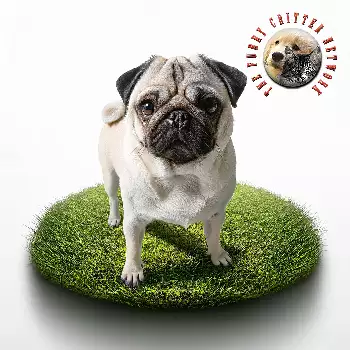
The Pug is a compact and muscular toy breed that embodies the Latin phrase multum in parvo, meaning much in little. This breed typically stands between ten and thirteen inches at the shoulder and weighs between fourteen and eighteen pounds, presenting a distinctly square and cobby build with well-developed muscle throughout. The body is short and thick-set with a wide chest, strong straight legs, and a level topline. Despite their small stature, Pugs carry substantial bone and muscle, creating a surprisingly solid feel when lifted. The breed standard emphasizes balance and proportion, with all parts fitting together to form a harmonious whole. The Pug's head is one of its most distinctive features, being large, round, and massive in proportion to the body with no indication of a domed skull. The face is flat with deep wrinkles that frame the expressive features, and the muzzle is very short and broad but never upturned. The eyes are one of the breed's most captivating characteristics, being large, round, dark, and prominent with a soft, concerned expression that seems almost human. The ears are small, thin, and soft like black velvet, set high on the head and folded either in a rose or button style, with button ears preferred. The coat is fine, smooth, short, and glossy, lying close to the body without being woolly or harsh. Pugs have a double coat that sheds considerably throughout the year. Accepted colors include fawn in various shades from silver fawn to apricot fawn, as well as solid black. Fawn-colored Pugs display a clear contrast between the lighter body color and the black mask that covers the muzzle, extends around the eyes, and includes the ears. A dark trace line runs from the occiput to the tail. The tail is set high and curls tightly over the hip, with a double curl being highly prized.
Key Characteristics
Temperament Temperament Temperament Temperament Temperament Temperament While Pugs are intelligent and can learn various commands and tricks, they are known for having an independent streak that can sometimes manifest as stubbornness during training. They respond best to positive reinforcement methods with consistent, patient guidance and plenty of treats and praise. Pugs are sensitive to their owners' moods and can become distressed by harsh treatment or raised voices. They can develop separation anxiety if left alone for extended periods and truly flourish in homes where they receive abundant attention and companionship throughout the day.
Health Considerations Health Considerations Health Considerations Health Considerations Health Considerations Health Considerations Additional health considerations include hip dysplasia, patellar luxation, hemivertebrae which are malformed spinal vertebrae that can cause pain and neurological issues, and Legg-Calve-Perthes disease affecting the hip joint. Skin fold dermatitis can develop in the deep facial wrinkles if not kept clean and dry. Pugs are highly prone to obesity which exacerbates many health problems, requiring careful portion control and regular exercise appropriate to their respiratory limitations. Regular veterinary care, weight management, and careful attention to environmental conditions are essential for maintaining the health of this charming but health-challenged breed.
Important to Remember
Each hybrid dog is unique and may inherit any combination of traits from either parent breed. The information above represents the characteristics of the purebred parent breeds. Your Japug may favor one parent over the other or display a blend of both. We strongly encourage you to read the complete breed profiles for both the Japanese Chin and Pug to fully understand the range of possible temperaments, health concerns, and care requirements.