Jack Chi
The Jack Chi is a cross between the Chihuahua and the Jack Russell Terrier. Because each hybrid inherits a unique combination of traits from both parents, we recommend thoroughly researching both breeds before choosing a Jack Chi. Pay special attention to temperament, health issues, and care requirements, as your dog may express characteristics from either parent breed.
Chihuahua
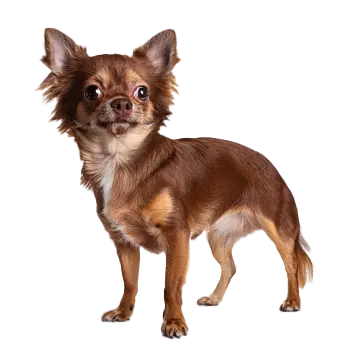
The Chihuahua is the smallest recognized dog breed in the world, with the American Kennel Club standard specifying a maximum weight of six pounds, though most show-quality dogs weigh between two and four pounds. Height is not specified in the standard but typically ranges from five to eight inches at the shoulder. Despite their diminutive size, Chihuahuas present a compact, well-balanced body that is slightly longer than tall when measured from the point of the shoulder to the buttocks versus from the withers to the ground. The overall impression should be of a tiny but sturdy dog with a terrier-like attitude and graceful, swift movement. The head is a distinctive feature of the Chihuahua, characterized by a well-rounded apple dome skull that is a hallmark of the breed. The muzzle is moderately short and slightly pointed, with a well-defined stop where the muzzle meets the skull. The eyes are large, round, luminous, and set well apart, projecting an expression of intelligence, alertness, and sometimes sauciness. Eye color varies but should complement the coat color. The ears are large and erect, set at a 45-degree angle to the head, and are carried firmly upright when the dog is alert. The nose color typically matches the coat or may be self-colored in lighter dogs. Chihuahuas occur in two distinct coat varieties that are shown separately. The smooth coat variety features a soft, close-lying, glossy coat that may have an undercoat and ruff on the neck. The long coat variety presents a soft, flat or slightly wavy outer coat with feathering on the ears, legs, feet, chest, and tail, creating an elegant appearance. Both varieties may appear in virtually any color or color combination, including solid colors, marked patterns, splashed patterns, and merle. The tail is moderately long, carried in a sickle curve either up or out, or in a loop over the back with the tip just touching the back. Movement is swift, smooth, and confident, with good reach and drive despite the small size.
Key Characteristics
Temperament Temperament Temperament Temperament Temperament Temperament Chihuahuas are intelligent dogs that can learn commands and tricks readily when motivated, though their independent nature means they may choose when to comply. They respond best to positive reinforcement training methods and do not tolerate harsh corrections. Their exercise needs are modest compared to larger breeds, making them suitable for apartment living and less active owners, though they still require daily walks and play sessions for physical and mental health. Chihuahuas are sensitive to their owners' emotional states and often seem to understand and respond to human moods. They are generally not recommended for households with young children due to their fragile size and tendency to become defensive. Temperature regulation is a concern, as these tiny dogs chill easily and may need sweaters in cool weather.
Health Considerations Health Considerations Health Considerations Health Considerations Health Considerations Health Considerations Additional health concerns in Chihuahuas include hypoglycemia, particularly in puppies and very small adults, which requires careful attention to feeding schedules and recognition of warning signs such as weakness, trembling, and lethargy. Tracheal collapse, where the cartilage rings of the windpipe weaken, can cause breathing difficulties and a distinctive goose-honk cough. The breed's prominent eyes are vulnerable to injury and conditions including glaucoma, dry eye, and cataracts. Chihuahuas have soft spots on their skulls called moleras that may persist into adulthood and require protection from injury. Liver shunts and seizure disorders also occur in the breed. Their fragile bones make them susceptible to fractures from falls or rough handling, and obesity puts dangerous strain on their tiny frames.
Jack Russell Terrier

The Jack Russell Terrier is a compact, athletic working terrier that stands between 10 and 15 inches tall at the shoulder, with weight proportionate to height, typically ranging from 13 to 17 pounds. The breed standard emphasizes that the dog must be capable of going to ground, meaning it should be small and flexible enough to follow quarry into underground dens. The body is slightly longer than tall, presenting a balanced, square appearance when viewed from the side. The overall impression is one of a small but powerful dog built for endurance and agility rather than speed alone. The head of the Jack Russell Terrier is flat and moderately broad between the ears, tapering slightly toward the eyes. The muzzle is strong and powerful, slightly shorter than the length of the skull, with a well-defined stop. The nose is black, and the teeth meet in a scissors bite. The almond-shaped eyes are dark in color and express an intensity and intelligence characteristic of the breed. The ears are small, V-shaped, and carried in a button or drop position, falling forward close to the head. The neck is muscular and of good length, allowing the dog to maintain efficient movement while working. Jack Russell Terriers come in three coat types that are equally acceptable: smooth, which lies flat and close to the body; broken, which has some longer hair creating a slight roughness; and rough, which features longer wiry hair throughout. Regardless of type, the coat should be dense and weatherproof to protect the dog while working outdoors. The color must be predominantly white, comprising at least 51 percent of the coat, with markings of black, tan, or brown appearing mainly on the head and at the base of the tail. The tail is set high and traditionally was docked to approximately four inches, though docking is now optional in many countries. When alert, the tail is carried erect, signaling the terrier's characteristic confidence and readiness for action.
Key Characteristics
Temperament Temperament Temperament Temperament Temperament Temperament Jack Russell Terriers demand significant daily exercise, typically requiring 60 to 90 minutes or more of vigorous activity to remain content. Without adequate physical and mental stimulation, they will find their own entertainment, often through destructive behaviors, excessive barking, or escape attempts. These dogs are remarkable escape artists capable of climbing fences, digging under barriers, and squeezing through surprisingly small openings. They form strong bonds with their families and can be affectionate companions when their needs are met, but they are not generally recommended for households with young children or other small pets. The ideal Jack Russell owner is active, experienced with terriers, and prepared to provide consistent structure and abundant exercise.
Health Considerations Health Considerations Health Considerations Health Considerations Health Considerations Health Considerations Other health concerns in Jack Russell Terriers include liver shunts, where abnormal blood flow bypasses the liver, and epilepsy, which causes recurring seizures. Allergies and atopic dermatitis manifest as skin irritation, itching, and ear infections in some individuals. Dental disease is common in the breed and requires regular attention through brushing and professional cleanings. The breed's extreme athleticism can predispose them to injuries, particularly cruciate ligament tears in the knee. Prospective owners should seek breeders who perform health testing on their breeding stock, including eye examinations, patella evaluations, and BAER hearing tests. Regular veterinary care and attention to weight management help ensure Jack Russell Terriers enjoy their characteristically long and active lives.
Important to Remember
Each hybrid dog is unique and may inherit any combination of traits from either parent breed. The information above represents the characteristics of the purebred parent breeds. Your Jack Chi may favor one parent over the other or display a blend of both. We strongly encourage you to read the complete breed profiles for both the Chihuahua and Jack Russell Terrier to fully understand the range of possible temperaments, health concerns, and care requirements.