Jack-A-Bee
The Jack-A-Bee is a cross between the Beagle and the Jack Russell Terrier. Because each hybrid inherits a unique combination of traits from both parents, we recommend thoroughly researching both breeds before choosing a Jack-A-Bee. Pay special attention to temperament, health issues, and care requirements, as your dog may express characteristics from either parent breed.
Beagle
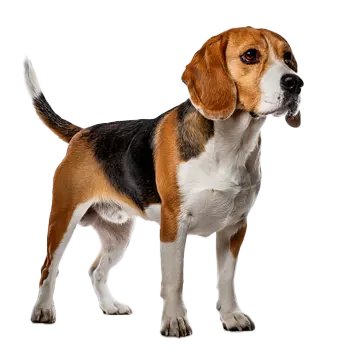
The Beagle is a small to medium-sized hound that comes in two recognized size varieties according to the American Kennel Club. The smaller variety stands under 13 inches at the shoulder, while the larger variety measures between 13 and 15 inches. Weight typically ranges from 18 to 30 pounds depending on size and build. The breed presents a solid, muscular appearance with a body that is slightly longer than it is tall, conveying both sturdiness and agility. The overall impression is one of a compact hunting hound built for endurance rather than speed. The head features a slightly domed skull of moderate width with a well-defined stop. The muzzle is square and medium in length, housing a complete set of teeth that meet in a scissors bite. The nose is broad with well-opened nostrils, typically black in color but may be lighter in lighter-colored dogs. The most distinctive facial feature is the long, low-set ears that, when drawn out, reach nearly to the tip of the nose. These pendant ears are fine in texture, rounded at the tips, and set well back on the head. The eyes are large, set well apart, and express a gentle, pleading hound expression in shades of brown or hazel. The coat is short, hard, and dense, providing excellent weather protection for a dog bred to work in the field. Any true hound color is acceptable, with the classic tricolor pattern of black, white, and tan being the most recognizable. Other common colorations include red and white, lemon and white, and various combinations of these hound colors. The tail is set moderately high and carried with a slight curve but not turned forward over the back. The tip of the tail is white, a feature that helped hunters track their dogs through tall vegetation during hunts.
Key Characteristics
Temperament Temperament Temperament Temperament Temperament Temperament Beagles are intelligent but can display a stubborn independent streak that makes training a patience-requiring endeavor. They respond best to positive reinforcement methods, particularly those involving food rewards, as the breed is notably food-motivated. This love of food also means owners must carefully monitor portions to prevent obesity. While they have moderate to high energy levels and require daily exercise, they adapt well to various living situations when their exercise needs are met. Their pack-oriented nature means they do not enjoy being left alone for extended periods and may develop separation anxiety or destructive behaviors if isolated.
Health Considerations Health Considerations Health Considerations Health Considerations Health Considerations Health Considerations Eye conditions affecting Beagles include cherry eye, where the tear gland prolapses and becomes visible, progressive retinal atrophy leading to gradual vision loss, and glaucoma. Hypothyroidism occurs when the thyroid gland underproduces hormones, causing weight gain, lethargy, and skin problems. Intervertebral disc disease can affect the breed's spine, causing pain and potentially paralysis. Beagle dwarfism, also known as chondrodystrophy, is a genetic condition causing abnormal skeletal development. Patellar luxation, von Willebrand's disease, and various allergies are also documented in the breed. Responsible breeders screen for genetic conditions and provide health clearances.
Jack Russell Terrier

The Jack Russell Terrier is a compact, athletic dog that stands between 10 to 15 inches at the shoulder, according to the Jack Russell Terrier Club of America standard, while the AKC standard calls for a slightly narrower range of 12 to 14 inches. The breed typically weighs between 13 to 17 pounds, with both males and females falling within the same weight range. The body is muscular and built for work, with legs that are proportionally longer than many other terrier breeds, giving these dogs impressive agility and speed. The chest should be small and compressible to allow the dog to enter underground fox dens, reflecting the breed's original hunting purpose. The back is level and the loin is slightly arched, providing the flexibility needed for the quick turns and movements required during a hunt. The Jack Russell Terrier comes in three distinct coat types: smooth, broken, and rough, all of which tend to shed throughout the year. The smooth coat lies flat against the body and provides weather resistance. The broken coat has some longer hairs mixed throughout, creating a slightly textured appearance. The rough coat features longer, coarser hair that gives the dog a more rugged, wire-haired look and requires more grooming attention. Regardless of coat type, the predominant color is white with black or tan markings, typically appearing on the head and at the base of the tail. This white coloration was deliberately bred to distinguish the dogs from the foxes they hunted in the field. The breed's head is flat and moderately broad between the ears, tapering toward the muzzle with a defined stop. The eyes are almond-shaped and dark, projecting an alert and intelligent expression that reflects the breed's keen awareness. The ears are small, V-shaped, and fold forward close to the head, adding to the attentive appearance. The nose is black and fully pigmented. The tail is typically docked in countries where this practice remains legal, carried high when the dog is alert or excited. The feet are round and cat-like, providing excellent traction. Overall, the Jack Russell Terrier presents a picture of balance, proportion, and functionality, built for endurance and agility rather than raw power.
Key Characteristics
Temperament Temperament Temperament Temperament Temperament Temperament Jack Russell Terriers need extensive daily exercise and mental stimulation to prevent destructive behaviors. A home with a large, securely fenced yard is ideal, as these dogs have powerful instincts to explore and hunt. They have been known to escape through small openings and can become trapped in underground dens when following prey. While they make excellent watchdogs due to their alertness, prospective owners must understand that this breed demands significant time, energy, and commitment to proper training and exercise.
Health Considerations Health Considerations Health Considerations Health Considerations Health Considerations Health Considerations Other health concerns include hip dysplasia, hypothyroidism, and Legg-Calve-Perthes disease, which affects the femoral head of the hip joint. Dental disease is common in smaller breeds and requires regular veterinary dental care. Deafness can occur, particularly in dogs with predominantly white coats. Von Willebrand's disease, a blood clotting disorder, has also been documented in the breed. Responsible breeders screen their dogs through organizations like the Orthopedic Foundation for Animals and use DNA testing to reduce the incidence of these hereditary conditions.
Important to Remember
Each hybrid dog is unique and may inherit any combination of traits from either parent breed. The information above represents the characteristics of the purebred parent breeds. Your Jack-A-Bee may favor one parent over the other or display a blend of both. We strongly encourage you to read the complete breed profiles for both the Beagle and Jack Russell Terrier to fully understand the range of possible temperaments, health concerns, and care requirements.