Italian Cairn
The Italian Cairn is a cross between the Cairn Terrier and the Italian Greyhound. Because each hybrid inherits a unique combination of traits from both parents, we recommend thoroughly researching both breeds before choosing a Italian Cairn. Pay special attention to temperament, health issues, and care requirements, as your dog may express characteristics from either parent breed.
Cairn Terrier
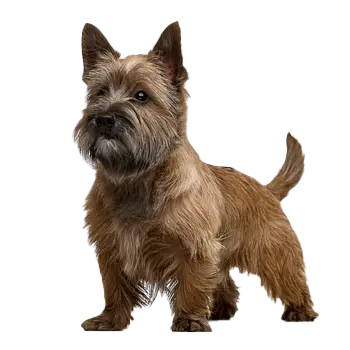
The Cairn Terrier is a small, sturdy working terrier originally developed in the Scottish Highlands to hunt vermin among rocky cairns. Males typically stand 10 to 12 inches at the shoulder and weigh approximately 14 pounds, while females measure 9 to 10 inches and weigh around 13 pounds. Despite their compact size, Cairn Terriers display a surprisingly robust build with strong bone structure, well-muscled hindquarters, and an overall appearance that suggests capability rather than daintiness. The body is slightly longer than tall, providing the flexibility and agility necessary for navigating tight spaces while pursuing quarry. The Cairn Terrier's coat is one of its most distinctive features: a harsh, weather-resistant outer coat over a soft, dense undercoat that provided protection in the harsh Scottish climate. The outer coat should feel somewhat rough to the touch, never soft or silky, and requires regular hand-stripping or professional grooming to maintain proper texture. Acceptable colors include cream, wheaten, red, gray, and nearly black, with brindle patterns occurring in any of these colors. Solid black, solid white, and black with tan points are not permitted in the breed standard. Many Cairn Terriers display darker coloring on the ears, muzzle, and tail tip. The head is broad in proportion to length, with a definite stop and strong muzzle that houses powerful jaws developed for catching prey. Small, pointed ears stand erect and are set wide apart on the head, giving the breed an alert, intelligent expression. Dark hazel eyes are set wide apart and slightly sunken beneath bushy eyebrows, conveying the spirited, curious nature typical of the breed. The nose is black regardless of coat color. The tail is short, carried high but not curled over the back, and covered with hair that matches the body coat. The overall impression is of a natural, hardy working terrier without the exaggeration seen in some modern show breeds.
Key Characteristics
Temperament Temperament Temperament Temperament Temperament Temperament Despite their hunting heritage, Cairn Terriers are affectionate companions who bond closely with their families. They generally get along well with children, enjoying active play while maintaining the patience to tolerate handling. Their moderate energy level makes them adaptable to various lifestyles, though they do require daily exercise and mental stimulation to prevent boredom-related behaviors such as digging, barking, or destructive chewing. The breed's love of digging deserves special mention, as this instinctive behavior can frustrate garden enthusiasts. Cairn Terriers typically coexist peacefully with other dogs, particularly when raised together, though their terrier assertiveness may lead to conflicts with dominant dogs. Their strong prey drive makes them unsuitable for homes with small pets like hamsters, rabbits, or birds. Often described as big dogs in small bodies, Cairns offer loyal, spirited companionship to owners who appreciate their independent nature.
Health Considerations Health Considerations Health Considerations Health Considerations Health Considerations Health Considerations Globoid Cell Leukodystrophy, also known as Krabbe disease, is a fatal neurological condition caused by an enzyme deficiency that affects the nervous system's white matter. Symptoms typically appear in puppies by several months of age and progress rapidly. DNA testing identifies carriers, allowing responsible breeders to avoid producing affected puppies. Patellar luxation affects Cairn Terriers as it does many small breeds, causing the kneecap to slip out of proper position. Mild cases may require no treatment, while severe cases benefit from surgical correction. Hypothyroidism occurs in the breed, causing weight gain, lethargy, and skin changes that respond well to thyroid hormone supplementation. Dental problems develop more quickly in small breeds, making regular dental care essential. Regular veterinary checkups, appropriate health screening of breeding dogs, and attentive home care help ensure Cairn Terriers enjoy their full life expectancy.
Italian Greyhound
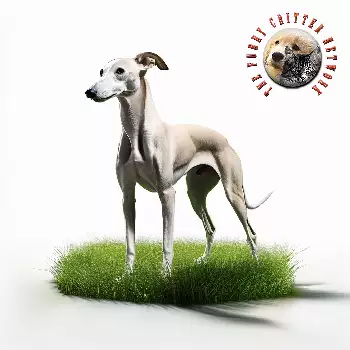
The Italian Greyhound is a slender, elegant toy breed that represents a miniaturized version of the Greyhound, retaining the graceful lines and athletic proportions of its larger cousin. Standing 13 to 15 inches at the shoulder and weighing between 7 and 14 pounds, with the ideal weight being 8 to 10 pounds according to breed standards, this diminutive sighthound possesses a refined appearance that belies its surprising athleticism. The body follows classic greyhound proportions with a deep, narrow chest reaching nearly to the elbows, a tucked-up abdomen creating an elegant underline, and long, fine-boned legs designed for speed and agility. The breed's coat is one of its most distinctive features: short, glossy, and satiny smooth to the touch, requiring minimal grooming while showcasing the dog's refined musculature. Italian Greyhounds appear in virtually every color except brindle markings and the tan points seen in black-and-tan patterns. Common colors include fawn, blue, black, cream, red, seal, and various shades of gray, with white markings acceptable on the chest and feet. The skin fits closely to the body, highlighting the breed's lean muscle definition and aristocratic bearing. The Italian Greyhound's head is long and narrow, tapering to a fine muzzle with a barely perceptible stop between the skull and nose. Large, expressive eyes convey the breed's sensitive, alert nature and are typically dark in color, though lighter eyes may appear in blue or cream-colored dogs. The ears are small, fine in texture, and folded back along the neck when relaxed, but raise to a semi-erect position when the dog is alert or interested. The long, slender neck flows gracefully into well-laid-back shoulders, and the tail is long, thin, and carried low in a slight curve. The overall impression is one of grace, elegance, and aristocratic refinement, packaged in a compact, surprisingly hardy frame that has delighted owners for centuries.
Key Characteristics
Temperament Temperament Temperament Temperament Temperament Temperament Italian Greyhounds display a playful, sometimes mischievous streak that persists well into adulthood. They love to run and play, reaching impressive speeds in short bursts despite their small size. Their prey drive remains active, and they will chase small animals if given the opportunity. While generally quiet dogs, Italian Greyhounds can be alert barkers when strangers approach. They tend to be reserved with unfamiliar people, requiring proper socialization to prevent excessive shyness or timidity. With family members, these dogs are affectionate, often seeking to curl up on laps or burrow under blankets. Their gentle, loving nature makes them excellent companions for adults and older children who understand their delicate build.
Health Considerations Health Considerations Health Considerations Health Considerations Health Considerations Health Considerations Epilepsy affects Italian Greyhounds more commonly than many other breeds, causing seizures that range from mild to severe. While medication can control seizures in most cases, the condition requires lifelong management. Progressive Retinal Atrophy causes gradual vision loss, typically beginning with night blindness and progressing to complete blindness. DNA testing allows breeders to identify carriers and avoid producing affected puppies. Patellar luxation, where the kneecap slips out of position, occurs frequently in the breed and may require surgical correction in severe cases. Hypothyroidism develops when the thyroid gland produces insufficient hormones, causing weight gain, lethargy, and skin problems. Color Dilution Alopecia affects dogs with blue or fawn coat colors, causing hair loss and skin problems. Interestingly, Italian Greyhounds show one of the lowest rates of hip dysplasia among all breeds, with studies showing minimal occurrence compared to larger breeds.
Important to Remember
Each hybrid dog is unique and may inherit any combination of traits from either parent breed. The information above represents the characteristics of the purebred parent breeds. Your Italian Cairn may favor one parent over the other or display a blend of both. We strongly encourage you to read the complete breed profiles for both the Cairn Terrier and Italian Greyhound to fully understand the range of possible temperaments, health concerns, and care requirements.