Italian-Bichon
The Italian-Bichon is a cross between the Bichon Frise and the Italian Greyhound. Because each hybrid inherits a unique combination of traits from both parents, we recommend thoroughly researching both breeds before choosing a Italian-Bichon. Pay special attention to temperament, health issues, and care requirements, as your dog may express characteristics from either parent breed.
Bichon Frise
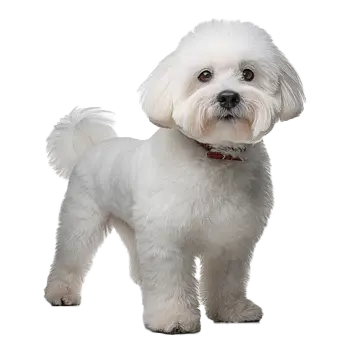
The Bichon Frise is a small, sturdy companion dog that creates a distinctive powder-puff appearance through its unique coat and compact build, embodying cheerfulness in its very structure. Adults stand between 24 and 29 centimeters at the withers and typically weigh 5 to 8 kilograms, presenting a well-balanced, substantial feel despite their small size that reflects the breed's robust health and vitality. The body is slightly longer than tall with medium bone structure that is never coarse or excessively fine, creating a compact silhouette that conveys both elegance and sturdiness beneath the cloud of white fur. The head is proportionate to the body with a slightly rounded skull and a moderately defined stop that creates a balanced appearance. The muzzle is shorter than the skull with a balanced three-to-five ratio, and the nose is large, round, and black, providing a striking contrast against the white coat. The eyes are round, dark, and set forward in the skull, surrounded by dark halos of pigmented skin that enhance the breed's soft, inquisitive expression and give the face its characteristic appeal. The ears are dropped and covered with flowing hair that blends seamlessly into the coat, framing the face attractively. The coat is the breed's most distinctive and defining feature, consisting of a soft, dense undercoat covered by a coarser, curlier outer coat that creates the characteristic texture. This double-coat combination produces a feel similar to plush velvet that springs back when touched, distinguishing the Bichon from single-coated breeds. When properly groomed, bathed, and brushed, the coat stands away from the body, producing the characteristic powder-puff appearance that has made the breed instantly recognizable. The only acceptable color is white, though slight shadings of buff, cream, or apricot may appear around the ears or on the body in adults, with puppies sometimes showing more extensive coloring that fades with maturity. The tail is heavily plumed and carried curved gracefully over the back, adding to the breed's jaunty outline. The overall impression is one of cheerful elegance, with the rounded, fluffy appearance disguising the breed's surprisingly athletic and sturdy constitution.
Key Characteristics
Temperament Temperament Temperament Temperament Temperament Temperament Despite their adaptability, Bichon Frises do not tolerate isolation well and may develop separation anxiety when left alone for extended periods. They require consistent companionship and may resort to destructive behaviors or excessive barking when lonely or bored. The breed benefits from moderate daily exercise and mental stimulation to channel their energy constructively. Some individuals can be challenging to housetrain, requiring patience and consistency. Bichon Frises form deep bonds with their families and express their affection through playful antics, cuddling, and following their people throughout the home. Their combination of charm, intelligence, and loving nature makes them outstanding companions for those who can provide the attention and companionship these social dogs require.
Health Considerations Health Considerations Health Considerations Health Considerations Health Considerations Other conditions documented in the breed include hip dysplasia, Legg-Calve-Perthes disease affecting the hip joint, portosystemic shunt impacting liver function, bladder stones, and ear infections related to the floppy ears and narrow ear canals. Primary ciliary dyskinesia, an autoimmune condition affecting the respiratory system, occurs in some individuals. Atlantoaxial instability affecting the neck vertebrae has been documented. The breed may also experience epilepsy and is prone to obesity without proper diet management. Regular veterinary care and health screening support longevity in this generally hardy breed.
Italian Greyhound
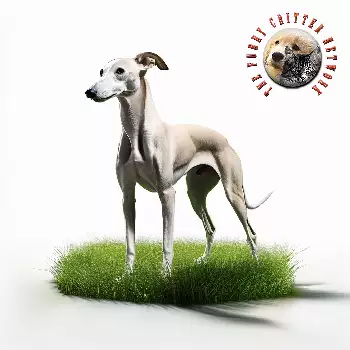
The Italian Greyhound is the smallest member of the sighthound family, combining miniature proportions with the elegant lines characteristic of coursing breeds developed for speed and agility. Adults stand between 32 and 38 centimeters at the withers and weigh only 3 to 5 kilograms, creating a delicate appearance that belies the breed's surprising hardiness and athletic capability. The body is slender and graceful, featuring a deep chest that extends to the elbows, a markedly tucked abdomen, and long, fine-boned legs that enable the breed's characteristic high-stepping gait and remarkable speed for such a small dog. The head is long and narrow with a refined muzzle that tapers toward the nose, creating the classic sighthound profile prized in the breed. The skull is flat between the ears, and the stop is barely perceptible, contributing to the streamlined appearance. Eyes are medium-sized, dark, and expressive, conveying the breed's gentle and intelligent nature with an alert yet soft expression. Ears are small, fine in texture, and folded back along the head when relaxed, though they may prick forward or fold into a rose shape when the dog is alert or interested in something. The coat is short, glossy, and fine in texture, lying close to the body without any undercoat, which contributes to the breed's sensitivity to cold temperatures and necessitates protective clothing in cooler climates. Any color or combination of colors is acceptable in the breed standard, though the most common include shades of gray, fawn, black, and blue, often with white markings on the chest and feet. Brindle markings and tan points also occur in the breed. The skin is thin and reveals the underlying musculature, particularly over the chest and ribcage, highlighting the breed's athletic structure. The tail is long and slender, carried low with a slight curve at the end, though it may rise when the dog is excited. The overall impression is one of supreme elegance and refinement, representing centuries of selective breeding for both beauty and function as a treasured companion animal.
Key Characteristics
Temperament Temperament Temperament Temperament Temperament Temperament Intelligent and capable of learning, Italian Greyhounds nonetheless possess an independent streak that can make training a patient process. They respond best to positive reinforcement methods and may shut down or become fearful with harsh corrections. The breed is generally quiet but will alert owners to visitors or unusual occurrences. Italian Greyhounds typically coexist peacefully with other dogs, particularly those of similar size, though their chase instinct may be problematic around very small pets. Their combination of loving attachment and gentle disposition makes them excellent companions for individuals and families who can provide the warmth, both emotional and physical, that these sensitive dogs require.
Health Considerations Health Considerations Health Considerations Health Considerations Health Considerations Health Considerations Dental disease presents a significant concern due to the breed's small mouth and crowded teeth, making regular dental care including professional cleanings essential for maintaining oral health. Hypothyroidism occurs in the breed and causes metabolic changes affecting weight, coat quality, and energy levels. Color dilution alopecia affects individuals with dilute coat colors such as blue or fawn, causing progressive hair loss and skin problems. Some Italian Greyhounds experience epilepsy, with seizures varying in frequency and severity. The breed has a genetic predisposition to von Willebrand disease, a blood clotting disorder, and may develop portosystemic shunts affecting liver function. Despite these concerns, the breed enjoys a relatively long lifespan of twelve to fifteen years with appropriate care and health monitoring.
Important to Remember
Each hybrid dog is unique and may inherit any combination of traits from either parent breed. The information above represents the characteristics of the purebred parent breeds. Your Italian-Bichon may favor one parent over the other or display a blend of both. We strongly encourage you to read the complete breed profiles for both the Bichon Frise and Italian Greyhound to fully understand the range of possible temperaments, health concerns, and care requirements.