Irish Wolfoodle
The Irish Wolfoodle is a cross between the Irish Wolfhound and the Poodle. Because each hybrid inherits a unique combination of traits from both parents, we recommend thoroughly researching both breeds before choosing a Irish Wolfoodle. Pay special attention to temperament, health issues, and care requirements, as your dog may express characteristics from either parent breed.
Irish Wolfhound
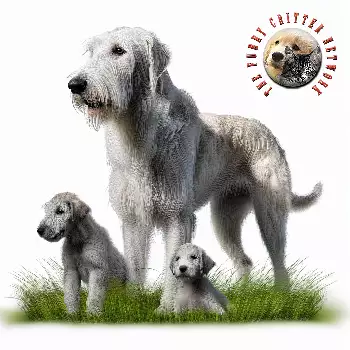
The Irish Wolfhound stands as the tallest of all dog breeds recognized by the American Kennel Club, with males reaching a minimum height of 32 inches at the shoulder and typically standing between 32 to 34 inches, while females measure at least 30 inches. Males weigh between 120 and 180 pounds, with females ranging from 105 to 140 pounds. This giant breed possesses a commanding yet elegant presence, built with a combination of power and swiftness that reflects its history as a coursing hound capable of pursuing wolves and elk. The body is longer than it is tall, with a deep chest, well-sprung ribs, and a slightly arched loin that contributes to the breed's characteristic silhouette. The back is relatively long with muscular development throughout. The Irish Wolfhound's coat is rough and wiry, providing essential protection against harsh weather conditions and rough terrain encountered during hunts. The hair is particularly long and rough over the eyes and under the jaw, creating the breed's distinctive beard and eyebrows that give it a wise, dignified expression. Accepted coat colors include gray, brindle, red, black, pure white, and fawn, with gray being the most commonly seen color in the breed. The coat requires regular brushing at least weekly to prevent matting and maintain its characteristic texture, though it does not require professional trimming. This breed displays the classic sighthound structure with long, strong legs designed for speed and endurance over great distances. The head is long and carried high, with small, rose-shaped ears that fold back against the head when relaxed but may prick forward when alert. The neck is muscular and well-arched, flowing into strong, well-laid-back shoulders that allow for efficient movement. The eyes are dark and convey a gentle, intelligent expression. Despite their imposing size, Irish Wolfhounds move with surprising grace and fluidity, covering ground efficiently with their long, easy stride that demonstrates both reach and drive. Their overall appearance suggests great strength combined with a gentle, dignified bearing that has earned them the reputation of gentle giants throughout centuries of history.
Key Characteristics
Temperament Temperament Temperament Temperament Temperament Temperament As sighthounds, Irish Wolfhounds retain a strong prey drive and the instinct to chase small animals that move quickly. Early socialization is essential to help them coexist peacefully with smaller pets including cats. They require regular exercise but are surprisingly calm indoors, often content to rest near their family members for hours at a time. These dogs do not thrive when left alone for extended periods, as they crave companionship and may become destructive or depressed if isolated. Their sensitive nature makes them attuned to household tensions and emotional atmospheres, and they generally prefer peaceful environments where they can serve as devoted, gentle companions to their beloved families.
Health Considerations Health Considerations Health Considerations Health Considerations Health Considerations Health Considerations Atrial fibrillation occurs in approximately eleven percent of Irish Wolfhounds and is highly heritable within the breed. Portosystemic shunt, a liver condition, should be screened for in puppies between eight and ten weeks of age to ensure early detection. Progressive retinal atrophy can lead to vision loss, and hypothyroidism may affect metabolism and overall health. Due to the breed's size, puppies take approximately eighteen months to fully mature, and overfeeding or excessive exercise during growth can contribute to developmental orthopedic problems. Regular veterinary checkups and health screenings are crucial for maintaining the best possible quality of life.
Poodle

The Standard Poodle is an elegant and athletic breed that stands over 15 inches at the shoulder, with most individuals measuring between 18 and 24 inches and weighing 40 to 70 pounds. Males are typically larger than females, but both sexes display the same graceful proportions and dignified carriage that have made the breed iconic. The breed presents a square silhouette when properly groomed, with the length of body from breastbone to point of rump approximately equal to the height from the ground to the highest point of the shoulder. Their athletic build reflects their origin as water retrievers in Germany, where they were valued for their swimming ability and intelligence. The Poodle's coat is perhaps its most distinctive feature, consisting of dense, curly hair that continues to grow rather than shedding like most breeds. This unique coat texture is considered hypoallergenic and produces minimal shedding, making the breed popular among allergy sufferers who want a larger companion dog. Standard colors include black, white, apricot, red, silver, brown, and cafe-au-lait, with parti-colored patterns also occurring in some lines. The coat can be styled in various traditional clips, from the elaborate Continental and English Saddle clips seen in show rings to the more practical Sporting or Puppy clips preferred by many pet owners for easier maintenance. The Poodle's head is refined with a moderately rounded skull and a long, straight muzzle that gives them a distinctive profile. Dark, oval-shaped eyes convey intelligence, alertness, and an eager expression, while long, floppy ears set at or slightly below eye level frame the face gracefully. The neck is well-proportioned to balance the head and body, rising from strong, smoothly muscled shoulders that allow for efficient movement. Despite their reputation as fancy show dogs, Poodles possess substantial bone and well-developed musculature beneath their curly coats, reflecting their working heritage. Their movement is light, springy, and effortless with a proud carriage, demonstrating the athletic ability that made them successful working dogs and continues to make them competitive in various canine sports.
Key Characteristics
Temperament Temperament Temperament Temperament Temperament Temperament Despite their elegant appearance, Standard Poodles retain their working dog heritage and possess considerable energy that requires regular outlet through exercise and play. They can be sensitive to noise and household chaos, sometimes displaying anxiety in stressful environments. Some individuals may be described as high-strung or prone to nervousness if not properly socialized and exercised. They respond best to positive training methods and can become stubborn if treated harshly. Their combination of intelligence, athleticism, and devotion makes them versatile companions suited to active families who appreciate an engaged, interactive relationship with their dog.
Health Considerations Health Considerations Health Considerations Health Considerations Health Considerations Health Considerations Sebaceous adenitis is an inherited inflammatory skin condition that affects the sebaceous glands, leading to hair loss and skin problems. Genetic testing can identify carriers, helping breeders make informed decisions. Progressive retinal atrophy causes gradual vision loss and blindness, though DNA testing is available to screen for this condition. Epilepsy may affect some individuals, requiring medication management for affected dogs. Hypothyroidism affects thyroid function and metabolism, and von Willebrand disease is a bleeding disorder that occurs in the breed. Atrial septal defect, a congenital heart condition, has been documented in some lines. Regular veterinary care and health screenings help ensure early detection and management of these conditions.
Important to Remember
Each hybrid dog is unique and may inherit any combination of traits from either parent breed. The information above represents the characteristics of the purebred parent breeds. Your Irish Wolfoodle may favor one parent over the other or display a blend of both. We strongly encourage you to read the complete breed profiles for both the Irish Wolfhound and Poodle to fully understand the range of possible temperaments, health concerns, and care requirements.