Irish Wolf Greyhound
The Irish Wolf Greyhound is a cross between the Irish Wolfhound and the Greyhound. Because each hybrid inherits a unique combination of traits from both parents, we recommend thoroughly researching both breeds before choosing a Irish Wolf Greyhound. Pay special attention to temperament, health issues, and care requirements, as your dog may express characteristics from either parent breed.
Irish Wolfhound
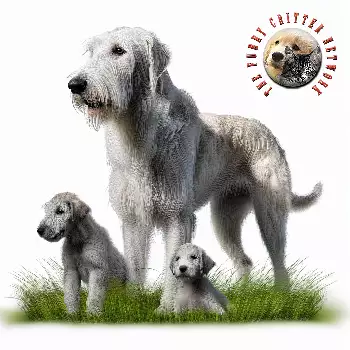
The Irish Wolfhound stands as the tallest of all dog breeds recognized by the American Kennel Club, with males reaching a minimum height of 32 inches at the shoulder and typically standing between 32 to 34 inches, while females measure at least 30 inches. Males weigh between 120 and 180 pounds, with females ranging from 105 to 140 pounds. This giant breed possesses a commanding yet elegant presence, built with a combination of power and swiftness that reflects its history as a coursing hound capable of pursuing wolves and elk. The body is longer than it is tall, with a deep chest, well-sprung ribs, and a slightly arched loin that contributes to the breed's characteristic silhouette. The back is relatively long with muscular development throughout. The Irish Wolfhound's coat is rough and wiry, providing essential protection against harsh weather conditions and rough terrain encountered during hunts. The hair is particularly long and rough over the eyes and under the jaw, creating the breed's distinctive beard and eyebrows that give it a wise, dignified expression. Accepted coat colors include gray, brindle, red, black, pure white, and fawn, with gray being the most commonly seen color in the breed. The coat requires regular brushing at least weekly to prevent matting and maintain its characteristic texture, though it does not require professional trimming. This breed displays the classic sighthound structure with long, strong legs designed for speed and endurance over great distances. The head is long and carried high, with small, rose-shaped ears that fold back against the head when relaxed but may prick forward when alert. The neck is muscular and well-arched, flowing into strong, well-laid-back shoulders that allow for efficient movement. The eyes are dark and convey a gentle, intelligent expression. Despite their imposing size, Irish Wolfhounds move with surprising grace and fluidity, covering ground efficiently with their long, easy stride that demonstrates both reach and drive. Their overall appearance suggests great strength combined with a gentle, dignified bearing that has earned them the reputation of gentle giants throughout centuries of history.
Key Characteristics
Temperament Temperament Temperament Temperament Temperament Temperament As sighthounds, Irish Wolfhounds retain a strong prey drive and the instinct to chase small animals that move quickly. Early socialization is essential to help them coexist peacefully with smaller pets including cats. They require regular exercise but are surprisingly calm indoors, often content to rest near their family members for hours at a time. These dogs do not thrive when left alone for extended periods, as they crave companionship and may become destructive or depressed if isolated. Their sensitive nature makes them attuned to household tensions and emotional atmospheres, and they generally prefer peaceful environments where they can serve as devoted, gentle companions to their beloved families.
Health Considerations Health Considerations Health Considerations Health Considerations Health Considerations Health Considerations Atrial fibrillation occurs in approximately eleven percent of Irish Wolfhounds and is highly heritable within the breed. Portosystemic shunt, a liver condition, should be screened for in puppies between eight and ten weeks of age to ensure early detection. Progressive retinal atrophy can lead to vision loss, and hypothyroidism may affect metabolism and overall health. Due to the breed's size, puppies take approximately eighteen months to fully mature, and overfeeding or excessive exercise during growth can contribute to developmental orthopedic problems. Regular veterinary checkups and health screenings are crucial for maintaining the best possible quality of life.
Greyhound
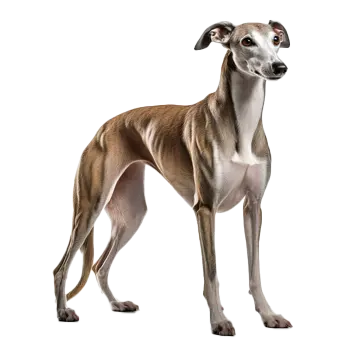
The Greyhound is the epitome of canine athletic design, built for speed with a sleek, streamlined body that represents the classic sighthound form perfected over thousands of years. Male Greyhounds typically stand 28 to 30 inches at the shoulder and weigh between 65 and 85 pounds, while females are slightly smaller at 27 to 28 inches and 50 to 65 pounds. Racing Greyhounds tend to be somewhat smaller, measuring between 25 and 29 inches. Their body structure features an inverted S-shape with a deep chest, narrow waist, and long, powerful legs that enable them to reach speeds of up to 45 miles per hour, making them one of the fastest animals on the planet over short distances. The Greyhound's head is long and narrow, described as dolichocephalic, with a barely perceptible stop between the skull and muzzle. Their ears are small and folded back in the characteristic rose-ear shape, lying flat against the neck when relaxed but sometimes pricking forward when the dog is alert or interested. The eyes are dark and convey an intelligent, gentle expression that reflects the breed's sweet temperament. The neck is long and muscular, flowing gracefully into well-laid-back shoulders that contribute to their efficient stride. The breed has virtually no body fat, allowing their musculature and skeletal structure to be clearly visible beneath the skin. The coat is short, smooth, and close-fitting, requiring minimal grooming maintenance beyond regular brushing to remove loose hair. Greyhounds come in a remarkable variety of colors, including white, fawn, red, various shades of gray from blue to slate, brindle in multiple patterns, and any combination of these colors with white markings. The tail is long, fine, and tapering to a point, carried low with a slight upward curve toward the end. Despite their athletic build, Greyhounds move with elegant efficiency, their gait characterized by free, straight movement with a long stride that covers ground effortlessly and appears almost floating. Their aerodynamic physique and powerful hindquarters combine to create a supreme canine athlete.
Key Characteristics
Temperament Temperament Temperament Temperament Temperament Temperament Greyhounds are intelligent but can be sensitive, responding best to gentle, patient training methods rather than harsh corrections. They are not known for excessive barking and maintain a dignified demeanor in most situations. While they enjoy running and appreciate opportunities to sprint in safely enclosed areas, they do not require extensive exercise and are satisfied with moderate daily walks. Their thin coats and low body fat make them sensitive to temperature extremes, requiring protection from both cold and heat. Above all, Greyhounds are affectionate companions who thrive on comfort and human connection.
Health Considerations Health Considerations Health Considerations Health Considerations Health Considerations Health Considerations A unique condition called Greyhound polyneuropathy affects the breed and can be identified through DNA testing. Perhaps most notably, Greyhounds experience delayed postoperative bleeding, a condition known as Greyhound fibrinolytic syndrome that affects approximately 26 percent of individuals after surgery. Veterinarians should be informed of this breed-specific concern before any surgical procedures. Greyhounds also show sensitivity to barbiturate anesthesia due to their low body fat, requiring adjusted protocols. Hypothyroidism and osteoarthritis may develop as dogs age, and their thin skin is prone to cuts and abrasions. Regular health screenings and awareness of these breed-specific concerns help ensure Greyhounds receive appropriate preventive care.
Important to Remember
Each hybrid dog is unique and may inherit any combination of traits from either parent breed. The information above represents the characteristics of the purebred parent breeds. Your Irish Wolf Greyhound may favor one parent over the other or display a blend of both. We strongly encourage you to read the complete breed profiles for both the Irish Wolfhound and Greyhound to fully understand the range of possible temperaments, health concerns, and care requirements.