Irish Mastiff
The Irish Mastiff is a cross between the Irish Wolfhound and the Mastiff. Because each hybrid inherits a unique combination of traits from both parents, we recommend thoroughly researching both breeds before choosing a Irish Mastiff. Pay special attention to temperament, health issues, and care requirements, as your dog may express characteristics from either parent breed.
Irish Wolfhound
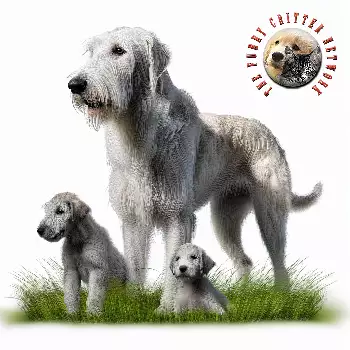
The Irish Wolfhound holds the distinguished title of being the tallest of all dog breeds recognized by the American Kennel Club, combining impressive height with a surprisingly graceful and athletic build. Males stand at a minimum of 32 inches at the shoulder and typically weigh between 120 and 180 pounds, while females measure at least 30 inches tall and weigh from 105 to 140 pounds. Despite their towering stature, these magnificent giants possess a lean, muscular physique that reflects their heritage as swift coursing hounds capable of pursuing wolves and large game across rugged terrain. Their overall silhouette is more reminiscent of a greyhound than a typical heavy mastiff-type dog, with long legs designed for speed and endurance rather than brute strength alone. The breed's distinctive coat is rough and wiry, providing essential protection against harsh weather conditions and the brambles encountered during hunting expeditions across the Irish countryside. Irish Wolfhounds display a beautiful range of colors including gray, brindle, red, black, pure white, fawn, and wheaten, with gray being particularly common and valued in the breed. Their double coat requires regular grooming to maintain its characteristic texture and appearance, though it is not as demanding as some longer-coated breeds. The facial hair forms a notable beard and eyebrows that contribute to their wise, dignified, and somewhat shaggy expression that captures the hearts of admirers worldwide and gives them a distinguished scholarly appearance. Physically, the Irish Wolfhound combines the muscular power needed for bringing down large prey with an elegant, commanding presence that has made them favorites of nobility and royalty throughout history. Their body is long and well-proportioned, featuring a deep chest that provides ample lung capacity for sustained pursuit, a slightly arched loin for flexibility and agility, and long powerful legs built for covering ground quickly. The tail is long and slightly curved, often described as having a distinctive rat-like appearance with moderate feathering. Their head is long and carried high with pride, featuring small ears that fold back against the head when relaxed and perk forward when alert, complemented by dark, expressive eyes that convey their gentle and intelligent nature.
Key Characteristics
Temperament Temperament Temperament Temperament Temperament Temperament Socialization from an early age is important for Irish Wolfhounds to develop their naturally confident and well-mannered personalities to their fullest potential, ensuring they remain calm in various situations. They generally get along well with other dogs and household pets, especially when raised together from puppyhood, though their size means they should be supervised around smaller animals. The breed is known for being quiet and dignified, rarely barking without good reason and generally maintaining a serene household presence that their owners deeply appreciate. Their calm demeanor and affectionate nature make them wonderful companions for families seeking a gentle giant, though their considerable size requires thoughtful consideration when introducing them to very young children, frail individuals, or homes with limited space.
Health Considerations Health Considerations Health Considerations Health Considerations Health Considerations Health Considerations Hip and elbow dysplasia are common orthopedic concerns due to the breed's rapid growth rate and substantial adult weight placing continuous stress on developing joints. Regular screening and maintaining a healthy weight throughout life can help manage these conditions and reduce discomfort. Other health issues documented in the breed include liver shunts affecting blood flow through the liver, progressive retinal atrophy that gradually reduces vision and can lead to blindness, pneumonia, and various cardiac arrhythmias. Irish Wolfhounds are slow to mature, often not reaching full physical and mental development until 18 months to 2 years of age, which requires careful attention to exercise limitations and proper nutrition during their growth period to protect developing bones and joints from damage that could cause lifelong problems.
Mastiff
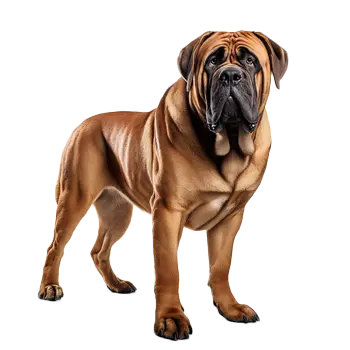
The English Mastiff, commonly referred to simply as the Mastiff, holds the distinction of being the largest dog breed in terms of overall mass, with individual dogs sometimes exceeding 200 pounds of solid muscle and bone. Males stand at a minimum of 30 inches at the shoulder and typically weigh between 160 and 230 pounds, while females measure at least 27.5 inches tall and weigh from 120 to 170 pounds. Their massive, powerful build is characterized by a substantial bone structure and well-developed musculature throughout the body that conveys both tremendous strength and an impressive presence that has made them guardians and companions to nobility for centuries throughout England and beyond. The breed's head is perhaps its most distinctive and immediately recognizable feature, being exceptionally large and broad with a square appearance when viewed from the front. The face displays prominent wrinkles, especially when the dog is alert, curious, or interested in something, and the heavy jowls contribute to the breed's characteristic droopy, somewhat solemn expression that many find endearing. Mastiffs are notorious droolers due to their loose facial skin and pendulous lips, a trait that potential owners should be fully prepared to accommodate with towels and regular cleaning. Their eyes are dark and set wide apart, giving them a kind, dignified, and somewhat wise expression despite their intimidating size. The ears are small and V-shaped, lying flat against the cheeks and adding to their noble appearance. Mastiffs possess a short, dense double coat that lies close to the body and provides good protection from the elements while being relatively easy to maintain with regular brushing. The breed standard recognizes three primary colors: fawn ranging from light silver to rich golden, apricot with its warm reddish undertones, and brindle featuring darker striping over the base color, all of which must be accompanied by the characteristic black mask that covers the muzzle and extends around the eyes to the ears. The ears are also typically darker than the body color, framing the face. Their tail is set high and reaches to the hocks when relaxed, tapering to a point and carried in a gentle curve, though never curled tightly over the back.
Key Characteristics
Temperament Temperament Temperament Temperament Temperament Temperament These massive dogs are surprisingly adaptable and content with moderate exercise, making them suitable for various living situations despite their substantial size requirements and need for space to move comfortably. They are not overly active and prefer lounging near their family members to vigorous exercise, often earning the affectionate nickname of couch potatoes among their devoted owners who appreciate their calm presence. Early socialization is important to ensure they develop confidence and proper manners around unfamiliar people, animals, and situations they may encounter. Mastiffs are sensitive dogs that do not respond well to harsh training methods or raised voices and thrive on positive reinforcement, gentle guidance, and abundant affection from their families who understand their needs.
Health Considerations Health Considerations Health Considerations Health Considerations Health Considerations Health Considerations Orthopedic problems are prevalent in the breed, with hip and elbow dysplasia being particularly common due to the substantial weight these joints must support from puppyhood through adulthood. Regular screening through organizations like the Orthopedic Foundation for Animals and maintaining a healthy weight are essential for managing these conditions and minimizing pain. Mastiffs are also prone to progressive retinal atrophy which can lead to gradual vision loss, hypothyroidism affecting metabolism and energy levels, degenerative myelopathy affecting the spinal cord, and various cancers including osteosarcoma. The breed matures slowly, typically not reaching full physical development until around 3 years of age, requiring careful attention to nutrition and controlled exercise during their extended growth period.
Important to Remember
Each hybrid dog is unique and may inherit any combination of traits from either parent breed. The information above represents the characteristics of the purebred parent breeds. Your Irish Mastiff may favor one parent over the other or display a blend of both. We strongly encourage you to read the complete breed profiles for both the Irish Wolfhound and Mastiff to fully understand the range of possible temperaments, health concerns, and care requirements.