Irish Afghan Setter
The Irish Afghan Setter is a cross between the Irish Setter and the Afghan Hound. Because each hybrid inherits a unique combination of traits from both parents, we recommend thoroughly researching both breeds before choosing a Irish Afghan Setter. Pay special attention to temperament, health issues, and care requirements, as your dog may express characteristics from either parent breed.
Irish Setter

The Irish Setter is a large, elegant sporting dog that presents a refined yet substantial appearance built for speed and stamina in the field. Males typically stand approximately 27 inches at the shoulder and weigh around 70 pounds, while females measure about 25 inches tall and weigh approximately 60 pounds. The breed displays a balanced, athletic build with long legs, a moderately deep chest, and a body that is slightly longer than tall. The overall impression is one of graceful power, with clean lines and flowing movement that reflect the breed's purpose as an efficient, tireless gun dog capable of covering vast distances while hunting. The crowning glory of the Irish Setter is its stunning mahogany or rich chestnut red coat, which should be free of any black coloration. The coat is flat and moderately long, with silky texture and sufficient length to provide protection in the field without becoming excessive. Feathering adorns the ears, chest, underside, backs of the legs, and tail, creating a graceful, flowing appearance when the dog moves. The ears are set low and well back on the head, hanging close to the cheeks with their long, silky feathering reaching nearly to the nose. The tail is carried nearly level with the back or slightly below and features a fringe of long hair that tapers to a fine point. The head is long and lean with a well-defined stop and a moderately deep muzzle that is fairly square at the end. The skull and muzzle are approximately equal in length, creating a balanced, refined appearance. The dark brown or dark hazel eyes are medium-sized and somewhat almond-shaped, conveying the soft, alert expression characteristic of the breed. The nose is black or chocolate brown depending on the coat shade. The neck is moderately long, strong, and slightly arched, flowing smoothly into well-laid-back shoulders. The overall expression combines an eager, spirited intelligence with the gentle sweetness that makes the Irish Setter such a beloved family companion.
Key Characteristics
Temperament Temperament Temperament Temperament Temperament Temperament The Irish Setter was bred to range far ahead of hunters, quartering fields tirelessly in search of game birds, and modern dogs retain this need for extensive exercise. They require vigorous daily activity including long runs, and without adequate physical outlets, they may become hyperactive or destructive. This breed thrives with active families who can include them in outdoor adventures such as hiking, running, or field activities. Their social nature means they do not tolerate isolation well and prefer to be with their family as much as possible. Irish Setters generally get along well with children, other dogs, and even cats when raised together, making them excellent family dogs for households prepared to meet their exercise and companionship needs.
Health Considerations Health Considerations Health Considerations Health Considerations Health Considerations Health Considerations Other health concerns in the Irish Setter include hip dysplasia, which causes malformation of the hip joint leading to arthritis and lameness, and hypothyroidism, which affects thyroid hormone production and can cause weight gain, lethargy, and coat problems. Epilepsy occurs in the breed and typically manifests between one and four years of age, requiring lifelong medication to manage seizures. Osteochondritis dissecans is a developmental joint condition affecting growing dogs, causing lameness and joint pain that may require surgical treatment. The typical lifespan for an Irish Setter is 11 to 12 years, and working with breeders who conduct comprehensive health testing helps ensure the best chance for a healthy, long-lived companion.
Afghan Hound
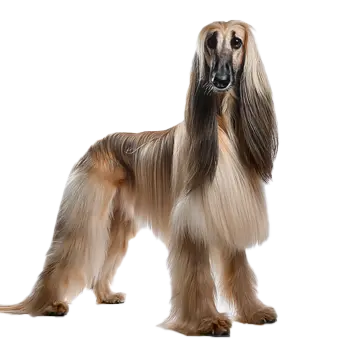
The Afghan Hound is a large, aristocratic sighthound that presents a distinctive silhouette combining elegance with powerful athleticism. Males typically stand approximately 27 inches at the shoulder with an acceptable range of plus or minus one inch, while females measure around 25 inches tall with the same variance permitted. The breed standard does not specify weight, but dogs typically range from 50 to 60 pounds depending on height and build. The Afghan's construction reveals its purpose as a coursing hound capable of tremendous speed and agility in rough terrain, with prominent hipbones, a deep chest, and a level back that enables the powerful, springy gait characteristic of the breed. The Afghan Hound's most recognizable feature is its long, thick, silky coat that flows like a glamorous cape when the dog moves. The coat is fine in texture and covers most of the body with particular profusion on the ears, legs, and ribs, though a distinct short-haired saddle runs along the back starting from the shoulders and is a defining breed characteristic in mature dogs. A distinctive topknot of long, silky hair crowns the head, forming a striking frame for the face. All colors are permissible according to the breed standard, with black masks and solid colors most commonly seen, though white markings on the head are considered undesirable in the show ring. The head is refined and chiseled with a long foreface, a slight prominence of the nasal bone creating the characteristic Roman appearance, and a barely perceptible stop. The skull is long and not too narrow, with the occiput quite prominent. The almond-shaped eyes are nearly triangular, appearing to gaze into the distance with an expression that conveys both aloofness and oriental mystique. The ears are set low and far back, lying flat against the head and covered with long, silky hair. The tail is set low, ends in a distinctive ring curl at the tip, and is sparsely feathered. The Afghan carries itself with a proud, dignified bearing that conveys an impression of ancient nobility.
Key Characteristics
Temperament Temperament Temperament Temperament Temperament Temperament Despite their dignified demeanor, Afghan Hounds can display a surprisingly clownish, playful side with their trusted family members, revealing a sense of humor that delights those who earn their affection. They possess the strong prey drive inherent to sighthounds and will chase small animals with lightning speed, making reliable off-leash control essentially impossible in unfenced areas. The breed is sensitive to harsh handling and will shut down or become fearful if subjected to forceful training methods. Afghans require regular exercise to satisfy their athletic nature but are typically calm and well-mannered in the home. Their combination of elegance, independence, and devoted loyalty makes them fascinating companions for owners who appreciate their unique character.
Health Considerations Health Considerations Health Considerations Health Considerations Health Considerations Health Considerations Hypothyroidism affects some Afghan Hounds, causing the thyroid gland to produce insufficient hormones and resulting in symptoms such as weight gain, lethargy, cold intolerance, and coat changes including hair loss and dry skin. This condition is manageable with daily thyroid hormone supplementation once diagnosed. Allergies causing skin irritation, itching, and ear infections occur in some individuals and may require dietary management or medical treatment. Chylothorax, a condition where lymphatic fluid accumulates in the chest cavity, is rare but has been reported in the breed. The Afghan Hound's sensitivity to anesthesia is well-documented, and owners should ensure their veterinarians are aware of this breed-specific concern before any surgical procedures.
Important to Remember
Each hybrid dog is unique and may inherit any combination of traits from either parent breed. The information above represents the characteristics of the purebred parent breeds. Your Irish Afghan Setter may favor one parent over the other or display a blend of both. We strongly encourage you to read the complete breed profiles for both the Irish Setter and Afghan Hound to fully understand the range of possible temperaments, health concerns, and care requirements.