Husky Wheaten
The Husky Wheaten is a cross between the Siberian Husky and the Soft Coated Wheaten Terrier. Because each hybrid inherits a unique combination of traits from both parents, we recommend thoroughly researching both breeds before choosing a Husky Wheaten. Pay special attention to temperament, health issues, and care requirements, as your dog may express characteristics from either parent breed.
Siberian Husky
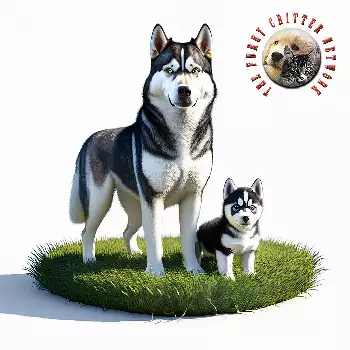
The Siberian Husky is a medium-sized working dog that presents a well-balanced, compact body built for endurance and speed rather than raw power. Males typically stand between 21 and 23.5 inches at the shoulder and weigh 45 to 60 pounds, while females measure 20 to 22 inches tall and weigh 35 to 50 pounds. The breed displays moderate bone structure and well-proportioned musculature, never appearing heavy or coarse like a freighting dog, nor fragile like a sprint racer. Their body length from shoulder point to rear point of the croup is slightly longer than their height, creating a rectangular silhouette that emphasizes their athletic build and efficient movement. The Siberian Husky possesses a thick double coat that provides excellent insulation against extreme cold temperatures. The dense, soft undercoat supports a medium-length outer coat composed of straight guard hairs that lie somewhat smoothly against the body. The breed standard permits all coat colors from pure white to jet black, with a variety of striking patterns and markings on the head being particularly characteristic of the breed. Common colorations include black and white, gray and white, copper-red and white, and solid white, often featuring facial masks and spectacles that give each dog a distinctive and memorable appearance. The head presents a refined, fox-like appearance with medium-sized triangular ears set high on the skull. The ears are thick, well-furred, slightly rounded at the tips, and carried erect, contributing to the breed's alert expression. The almond-shaped eyes may be brown, blue, or one of each color in a striking condition called heterochromia, contributing to the breed's alert and often piercing gaze. The muzzle tapers gradually to a black or liver-colored nose, depending on coat color. The distinctive bushy tail resembles a fox brush and is carried in a graceful sickle curve over the back when the dog is alert, but may trail behind when relaxed or working.
Key Characteristics
Temperament Temperament Temperament Temperament Temperament Temperament The Siberian Husky maintains a high energy level and strong prey drive that reflects its working heritage. These dogs were bred to run for miles pulling light loads through frozen terrain, and modern Huskies retain this need for vigorous daily exercise. Without adequate physical and mental stimulation, they may resort to digging, chewing, or escape attempts, as they are notorious escape artists capable of jumping fences, digging under barriers, or finding other creative escape routes. They typically excel in activities like sledding, skijoring, and other dog sports that allow them to run and work alongside their owners.
Health Considerations Health Considerations Health Considerations Health Considerations Health Considerations Health Considerations Other health considerations for the Siberian Husky include hypothyroidism, which affects the thyroid gland's hormone production and can cause weight gain, lethargy, and skin problems. Epilepsy occurs in the breed and typically first manifests between six months and three years of age, requiring lifelong medication to manage seizures. Zinc-responsive dermatosis is relatively common in Arctic breeds, causing skin lesions and coat problems that respond to zinc supplementation. Responsible breeders conduct health screenings and genetic testing to reduce the incidence of these hereditary conditions in their breeding programs.
Soft Coated Wheaten Terrier

The Soft Coated Wheaten Terrier is a medium-sized terrier that presents a compact, squarely proportioned body displaying both strength and elegance. Males typically stand 18 to 19 inches at the shoulder and weigh 35 to 40 pounds, while females measure 17 to 18 inches tall and weigh 30 to 35 pounds. The breed's body structure is well-muscled and hardy, built for the versatile farm work they performed in their native Ireland, including herding, guarding, and hunting vermin. Their overall appearance should convey an impression of an agile, athletic dog capable of sustained activity. The distinguishing feature of the Soft Coated Wheaten Terrier is its unique single coat, which lacks the harsh outer coat and dense undercoat found in most terrier breeds. The coat is soft and silky in texture with a gentle wave, falling in loose curls or waves that cover the entire body. Puppies are born with darker coats that gradually lighten over the first two years, eventually maturing to any shade of wheaten, from pale beige to a rich golden color. The coat continues to develop its characteristic silky texture until the dog reaches approximately 24 months of age, with the adult coat requiring significant grooming to maintain its proper appearance. The head is moderately long and rectangular when viewed from the side, with a well-defined stop and a muzzle equal in length to the skull. Small to medium V-shaped ears fold forward at skull level, and the medium-sized dark brown eyes convey a warm, alert expression characteristic of the breed. The nose is black and large for the size of the dog. The body features a deep chest with well-sprung ribs, a level back, and a docked tail that is carried upright. The overall presentation should be that of a well-groomed but natural-looking terrier without the excessive styling seen in some other terrier breeds.
Key Characteristics
Temperament Temperament Temperament Temperament Temperament Temperament The Soft Coated Wheaten Terrier makes an alert watchdog and will bark to announce visitors, though they typically lack the aggressive tendencies to serve as effective guard dogs. They generally get along well with children and can adapt to multi-pet households, though some may display prey drive toward small animals. The breed requires moderate daily exercise to satisfy their energy needs and prevent boredom-related behaviors. They enjoy interactive play sessions, walks, and activities that engage both their mind and body. Their sociable nature means they do not tolerate being left alone for extended periods and may develop separation anxiety if isolated from their family.
Health Considerations Health Considerations Health Considerations Health Considerations Health Considerations Health Considerations Other health considerations for the breed include hip dysplasia, which can cause lameness and arthritis, and progressive retinal atrophy, which leads to gradual vision loss. Hypothyroidism may occur, affecting metabolism and causing weight gain, coat changes, and lethargy. Some Wheatens develop food allergies or environmental sensitivities that cause skin and coat problems. The breed has a typical lifespan of 12 to 15 years when healthy. Prospective owners should seek breeders who conduct comprehensive health testing, including genetic testing for PLN and screening for kidney function, hip dysplasia, and eye conditions.
Important to Remember
Each hybrid dog is unique and may inherit any combination of traits from either parent breed. The information above represents the characteristics of the purebred parent breeds. Your Husky Wheaten may favor one parent over the other or display a blend of both. We strongly encourage you to read the complete breed profiles for both the Siberian Husky and Soft Coated Wheaten Terrier to fully understand the range of possible temperaments, health concerns, and care requirements.