Husker
The Husker is a cross between the Boxer and the Siberian Husky. Because each hybrid inherits a unique combination of traits from both parents, we recommend thoroughly researching both breeds before choosing a Husker. Pay special attention to temperament, health issues, and care requirements, as your dog may express characteristics from either parent breed.
Boxer
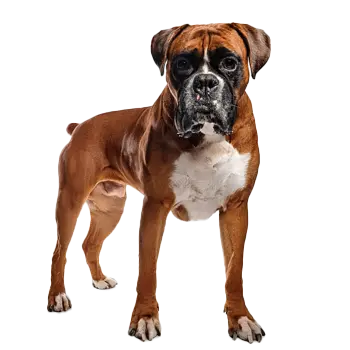
The Boxer is a medium to large-sized working dog that presents a striking, athletic appearance with its square-built, muscular frame. Males typically stand between 23 and 25 inches tall at the withers and weigh 65 to 80 pounds, while females measure 21.5 to 23.5 inches in height and weigh 50 to 65 pounds. The breed displays a powerful, compact body with well-developed muscles that appear clean and smooth under taut skin. The back is short and straight with firmly muscled loins, and the chest is wide and deep, reaching down to the elbows. The overall proportions create a square appearance when viewed from the side, giving the Boxer its characteristic balanced and substantial look. The Boxer's head is its most distinctive feature, with a chiseled appearance that imparts a unique individual stamp to the breed. The skull is flat between the ears and broad, while the jaws are broad and powerful. The muzzle is short, blunt, and wide, forming the breed's signature look. The forehead shows wrinkles when the dog is alert, and the dark eyes combined with the distinctive facial structure give the Boxer an expression of alertness and curiosity. The ears are set high on the skull and may be cropped or left natural, folding forward. The Boxer's coat is short, shiny, and lies smooth and tight against the body. Acceptable colors include fawn and brindle, with fawn shades ranging from light tan to deep mahogany. Brindle patterns display clearly defined black stripes on a fawn background, which can range from sparse striping to heavy concentration where the fawn barely shows through. White markings are permitted but should not exceed one-third of the total coat. The tail is traditionally docked and set high, though natural tails are also seen. The breed moves with an energetic, firm yet elastic gait that demonstrates power and agility.
Key Characteristics
Temperament Temperament Temperament Temperament Temperament Temperament Early socialization and consistent training are essential to help channel the Boxer's high energy in positive directions. The breed responds best to positive reinforcement methods delivered with patience and firmness. While Boxers are excellent with older children due to their patient nature, their excitable and bouncy disposition may be overwhelming for small children or frail adults. Their social and playful personality thrives around people, and they are generally open and friendly when properly socialized, making them wonderful additions to active households that can provide the attention and exercise they need.
Health Considerations Health Considerations Health Considerations Health Considerations Health Considerations Health Considerations Orthopedic issues also affect the Boxer population, with hip dysplasia and cranial cruciate ligament tears being common concerns. Hip dysplasia involves improper development of the hip joint, leading to pain and mobility issues over time. Cruciate ligament problems occur when the knee stabilizing ligament degenerates and tears, typically requiring surgical intervention. As a brachycephalic breed with their shortened muzzle, Boxers are prone to overheating and breathing difficulties, particularly in hot weather. Hypothyroidism, corneal ulcers, and aortic stenosis round out the health concerns that responsible owners should monitor. The typical Boxer lifespan ranges from 10 to 12 years with proper care and regular veterinary checkups.
Siberian Husky
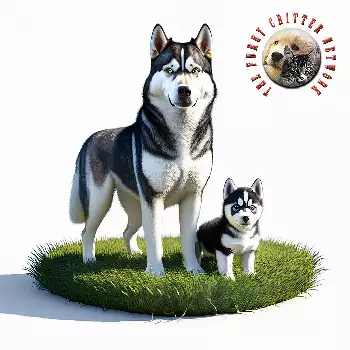
The Siberian Husky is a medium-sized working dog that displays a moderately compact and well-proportioned build reflecting its Northern heritage. Males typically stand 21 to 23.5 inches tall at the withers and weigh between 45 and 60 pounds, while females measure 20 to 22 inches in height with a weight range of 35 to 50 pounds. The breed exhibits a graceful, balanced appearance with moderate bone structure that is neither too heavy nor too light. The body is slightly longer than it is tall, creating proportions that suggest both power and agility. The chest is deep and strong but not too broad, with well-sprung ribs that allow for freedom of movement and efficient breathing during sustained activity. The Siberian Husky's head and facial features contribute to its striking wolf-like appearance. The skull is medium-sized and slightly rounded on top, tapering toward the eyes. The muzzle is of medium width and length, neither too snipey nor too broad. The ears are medium-sized, triangular, and set high on the head, carried firmly erect with slightly rounded tips. Perhaps most captivating are the eyes, which may be brown, blue, parti-colored, or bi-eyed with one of each color. The breed often displays distinctive facial masks and markings that resemble a cap or spectacles, adding to their expressive and alert appearance. The double coat is one of the Siberian Husky's most important characteristics, providing essential protection in harsh weather conditions. The undercoat is soft, dense, and of sufficient length to support the outer guard hairs. The outer coat is straight, smooth-lying, and medium in length, never so long as to obscure the clean-cut outline of the body. All colors and markings are permitted, ranging from pure white to combinations of black, gray, agouti, sable, and red, typically mixed with white markings. The tail is well-furred and fox-brush shaped, carried in a graceful sickle curve when the dog is alert but trailing behind when relaxed or working. The breed's characteristic gait is smooth, seemingly effortless, and ground-covering, demonstrating the endurance and efficiency for which the Siberian Husky was originally bred.
Key Characteristics
Temperament Temperament Temperament Temperament Temperament Temperament The breed thrives on companionship and does not do well when left alone for extended periods, potentially developing destructive behaviors if they become bored or lonely. Siberian Huskies are pack animals that enjoy the company of other dogs and their human family members equally. They possess abundant energy and require substantial daily exercise to remain happy and well-adjusted. Activities like running, hiking, sledding, and skijoring satisfy their need for physical activity and mental stimulation. When adequately exercised and given proper attention, the Siberian Husky is typically a calm and well-mannered housemate that brings joy and adventure to active families who understand and appreciate their unique characteristics.
Health Considerations Health Considerations Health Considerations Health Considerations Health Considerations Health Considerations Hypothyroidism affects some Siberian Huskies, occurring when the thyroid gland produces insufficient hormones to regulate the body's metabolism. This condition can cause symptoms including weight gain, lethargy, skin problems, and coat changes. Additionally, the breed may be affected by uveodermatologic syndrome, an immune-mediated condition that affects both the eyes and skin. Epilepsy and zinc deficiency are other health concerns seen in the breed. Zinc deficiency can cause skin lesions and coat problems, requiring dietary supplementation to manage. Regular veterinary checkups, appropriate health screening of breeding dogs, and awareness of these conditions help ensure Siberian Huskies live long, healthy lives with their families.
Important to Remember
Each hybrid dog is unique and may inherit any combination of traits from either parent breed. The information above represents the characteristics of the purebred parent breeds. Your Husker may favor one parent over the other or display a blend of both. We strongly encourage you to read the complete breed profiles for both the Boxer and Siberian Husky to fully understand the range of possible temperaments, health concerns, and care requirements.