Hush Basset
The Hush Basset is a cross between the Basset Hound and the Cocker Spaniel. Because each hybrid inherits a unique combination of traits from both parents, we recommend thoroughly researching both breeds before choosing a Hush Basset. Pay special attention to temperament, health issues, and care requirements, as your dog may express characteristics from either parent breed.
Basset Hound

The Basset Hound is a distinctive medium to large breed characterized by its remarkably low-slung body, substantial bone structure, and soulful expression that has captivated dog lovers for generations. Despite standing only 13 to 15 inches at the shoulder, Basset Hounds weigh considerably more than their height suggests, typically ranging from 40 to 65 pounds. The breed is noted as being heavier boned relative to its size than any other dog breed, with a body that is long, deep-chested, and supported by short, powerful legs with slightly crooked front limbs. This unique conformation was developed specifically for hunting, allowing the dogs to push through dense underbrush while keeping their noses close to the ground. The Basset Hound's head is perhaps its most recognizable feature, being large and well-proportioned with a distinctly domed skull and pronounced occipital protuberance. The loose, elastic skin of the face forms deep wrinkles over the brow and alongside the cheeks, creating the breed's characteristic sad, droopy expression. The dark brown eyes are soft and melancholy, set deep beneath prominent brow ridges. The extraordinarily long ears, set low and well back on the skull, hang in loose folds and can extend beyond the end of the muzzle when drawn forward. These velvety ears serve a functional purpose, helping to stir up and direct ground scents toward the nose. The coat is smooth, short, and dense enough to provide protection in various weather conditions and terrain. Any recognized hound color is acceptable, with tricolor patterns of black, tan, and white being most common, though red and white bicolor dogs are also popular. The skin is loose and elastic throughout the body, creating additional folds at the throat known as the dewlap. The long, tapering tail is carried in a curve when the dog is moving and is typically tipped with white, making it visible above tall vegetation during hunts. Despite their somewhat ungainly appearance, Bassets move with a smooth, powerful gait that demonstrates their considerable endurance and capability.
Key Characteristics
Temperament Temperament Temperament Temperament Temperament Temperament The breed's energy level is moderate, and while Basset Hounds enjoy daily walks, they are not high-energy dogs requiring extensive exercise. However, they should not be assumed to be lazy, as they can demonstrate remarkable stamina when engaged in scent-related activities. When left to their own devices without adequate companionship or stimulation, Bassets may become nuisance barkers or develop a penchant for digging. Their deep, melodious bay is impressive and can carry considerable distance, which neighbors may not appreciate. The breed's loving nature and devotion to family, combined with their amusing antics and expressive faces, have made them enduring favorites among those who appreciate their unique combination of dignity and goofiness.
Health Considerations Health Considerations Health Considerations Health Considerations Health Considerations Health Considerations The breed's long, heavy ears create an environment prone to chronic ear infections, as air circulation is limited and moisture becomes trapped. Regular ear cleaning and inspection are essential preventive measures. Eye conditions including glaucoma, particularly primary open-angle glaucoma, affect Basset Hounds at higher rates than many other breeds. Hip and elbow dysplasia can cause lameness and arthritis. Patellar luxation and osteochondritis dissecans are additional orthopedic concerns. Obesity is extremely common and exacerbates many of the breed's health issues. The typical lifespan is 10 to 12 years, with proper care and health monitoring helping to ensure quality of life throughout their years.
Cocker Spaniel
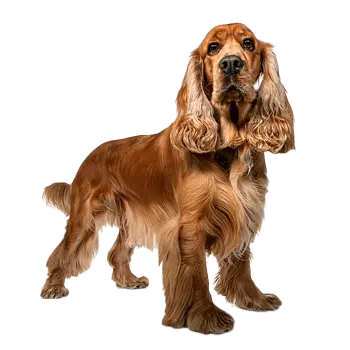
The Cocker Spaniel, known in the United States as the American Cocker Spaniel to distinguish it from the English Cocker Spaniel, is the smallest member of the sporting group and is celebrated for its refined beauty and balanced proportions. Males typically stand 14.5 to 15.5 inches at the shoulder, while females measure 13.5 to 14.5 inches, with both sexes weighing between 20 to 30 pounds. The breed presents a compact, sturdy body with a deep chest reaching to the elbows, strong straight forelegs, and well-angulated hindquarters that provide the drive necessary for field work. The topline slopes gently from the withers toward the hindquarters, contributing to the breed's elegant silhouette. The Cocker Spaniel's head is its crowning glory, featuring a rounded skull with a pronounced stop and a broad, deep muzzle of medium length. The expression is soft, intelligent, and appealing, created by dark, round eyes that should be full and looking directly forward. The long, low-set ears are perhaps the breed's most distinctive feature, covered with long, silky, wavy feathering that frames the face beautifully. The ears are lobular in shape and reach at least to the tip of the nose when drawn forward. The nose is black in black and black-and-tan dogs, and may be brown in other colors. The luxurious coat is the Cocker's most eye-catching attribute, consisting of silky, flat or slightly wavy hair that is short on the head and medium length on the body, with abundant feathering on the ears, chest, abdomen, and legs. The breed comes in a stunning variety of colors and patterns, classified into three varieties for show purposes: black, which includes black and tan; any solid color other than black, ranging from lightest buff to darkest red and including brown; and parti-color, featuring two or more distinct colors with white. The tail is typically docked and carried in line with or slightly above the back when the dog is alert. The overall impression is of a capable sporting dog combined with a companion breed's refinement and beauty.
Key Characteristics
Temperament Temperament Temperament Temperament Temperament Temperament Cocker Spaniels generally get along well with children, other dogs, and even cats when properly socialized, making them excellent family pets. Their friendly nature extends to strangers, and they typically greet visitors enthusiastically rather than with suspicion. Some individuals may be prone to submissive urination when excited or anxious, a trait owners should manage patiently. The breed can be prone to separation anxiety due to their strong attachment to their families, and they do best in homes where they receive ample attention and companionship. When properly bred and socialized, the Cocker Spaniel's sweet, trustworthy temperament makes it one of the most beloved companion breeds.
Health Considerations Health Considerations Health Considerations Health Considerations Health Considerations Health Considerations Hip dysplasia affects some Cocker Spaniels and can cause lameness, pain, and arthritis. Patellar luxation, where the kneecap slides out of position, is another orthopedic concern. Autoimmune conditions including immune-mediated hemolytic anemia and immune-mediated thrombocytopenia occur at higher rates in Cocker Spaniels than in many other breeds and can be life-threatening without prompt treatment. Dilated cardiomyopathy and other heart conditions affect some individuals. Hypothyroidism, causing weight gain and lethargy, is manageable with medication. Skin allergies and seborrhea, causing excessive oil production and skin irritation, require ongoing management. Dental disease is common and necessitates regular dental care. Selecting puppies from health-tested parents significantly reduces the risk of hereditary conditions.
Important to Remember
Each hybrid dog is unique and may inherit any combination of traits from either parent breed. The information above represents the characteristics of the purebred parent breeds. Your Hush Basset may favor one parent over the other or display a blend of both. We strongly encourage you to read the complete breed profiles for both the Basset Hound and Cocker Spaniel to fully understand the range of possible temperaments, health concerns, and care requirements.