Havashu
The Havashu is a cross between the Havanese and the Shih Tzu. Because each hybrid inherits a unique combination of traits from both parents, we recommend thoroughly researching both breeds before choosing a Havashu. Pay special attention to temperament, health issues, and care requirements, as your dog may express characteristics from either parent breed.
Havanese

The Havanese is a small, sturdy dog that exudes charm and elegance in equal measure. Standing between 8.5 and 11.5 inches at the shoulder, with an ideal height of 9 to 10.5 inches, this breed weighs between 7 and 13 pounds, with 8 to 11 pounds considered optimal. The body is slightly longer than it is tall, creating a rectangular silhouette that appears well-balanced rather than square. Despite being classified as a toy breed, the Havanese possesses a robust build that is neither fragile nor overdone, giving it surprising substance for its compact size. The legs are relatively short but provide sufficient length to keep the dog from appearing too close to the ground. The breed's most distinctive feature is its magnificent double coat, which is soft, light, and silky to the touch in both the outer and undercoat layers. The coat is long, abundant, and characteristically wavy, standing slightly off the body while flowing gracefully with movement. All colors and marking patterns are permitted and considered equally desirable, ranging from pure white through shades of cream, champagne, gold, black, blue, silver, and chocolate, including parti-color and tricolor combinations. The coat may be left natural or may develop into cords in mature dogs, creating tassel-like formations that cover the entire body. The Havanese head is proportionate to the body, featuring large, almond-shaped eyes that are very dark with a gentle, expressive quality. The ears are set high, drop-folded, and covered with long hair that blends into the mane. A unique breed characteristic is the springy, lively gait, which results from the combination of a short upper arm with moderate shoulder layback and strong rear drive. The topline rises slightly from the withers to the croup, and the plumed tail is carried arched forward over the back, adding to the breed's distinctive appearance.
Key Characteristics
Temperament Temperament Temperament Temperament Temperament Temperament The breed demonstrates excellent social skills, getting along wonderfully with children, other dogs, and even cats when properly introduced. Havanese are naturally non-quarrelsome and possess a sweet, affectionate disposition that makes them poor guard dogs but exceptional therapy and emotional support animals. They are alert and will announce visitors with barking but are not excessive barkers when properly trained. Their adaptable nature makes them suitable for various living situations, from apartments to large homes, as long as they receive adequate attention and companionship from their beloved humans.
Health Considerations Health Considerations Health Considerations Health Considerations Health Considerations Health Considerations Heart conditions, particularly mitral valve disease, affect approximately 11 percent of the breed and typically develop in middle-aged to older dogs. Regular cardiac screenings can help detect murmurs and other abnormalities early. Additional health concerns include hypothyroidism, sebaceous adenitis affecting the skin and coat, and dental disease due to the small jaw size. Responsible breeders conduct health testing on breeding stock for these conditions. Owners should maintain regular veterinary checkups, keep vaccinations current, and monitor their Havanese for any signs of illness or discomfort throughout the dog's life.
Shih Tzu
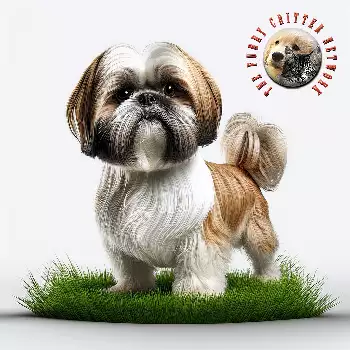
The Shih Tzu is a sturdy, compact toy dog that presents an impression of substance despite its small size. Standing between 9 and 10.5 inches at the shoulder and weighing between 9 and 16 pounds, this breed displays a solid, well-built frame that is slightly longer than it is tall. The overall silhouette creates a rectangular outline, with the dog appearing neither leggy nor too close to the ground. Despite belonging to the toy group, the Shih Tzu possesses surprising heft when lifted, reflecting its sturdy bone structure and muscular build that belies its diminutive measurements. The breed's distinctive head is one of its most recognizable features, being large, round, and broad when viewed from any angle. The face is brachycephalic with a short, square muzzle that sits no more than one inch from the stop to the tip of the nose. Large, round eyes that are dark in color and set well apart dominate the expression, conveying warmth and trust. A notable characteristic is the required undershot bite, which contributes to the breed's unique facial structure and expression. The ears are large, heavily coated, and hang downward, blending seamlessly into the flowing neck hair to create the breed's characteristic appearance. The Shih Tzu's magnificent double coat is dense, long, and flowing, with a luxurious quality that has earned the breed comparisons to chrysanthemum flowers when the facial hair grows outward in all directions from the center of the face. The coat may be slightly wavy but should never be curly or sparse, maintaining a full, flowing appearance. All colors and markings are acceptable and given equal consideration in competition. The tail is set high and carried in a graceful curve well over the back, covered in a plume of long, silky hair. This breed moves with a smooth, flowing gait that displays good reach and drive, carrying itself with an unmistakably proud, arrogant bearing that reflects its imperial Chinese heritage as a prized palace companion.
Key Characteristics
Temperament Temperament Temperament Temperament Temperament Temperament The Shih Tzu thrives on human companionship and does not tolerate being left alone for extended periods, potentially developing separation anxiety if frequently isolated. This breed makes an excellent family pet, getting along wonderfully with children of all ages when interactions are supervised appropriately. They typically coexist peacefully with other dogs and cats, displaying minimal prey drive or territorial aggression. While Shih Tzus will alert their owners to visitors, they are not effective guard dogs due to their universally friendly nature. Their adaptable temperament and moderate exercise needs make them well-suited to apartment living and ideal companions for seniors or those seeking an affectionate, devoted pet.
Health Considerations Health Considerations Health Considerations Health Considerations Health Considerations Health Considerations Orthopedic issues including patellar luxation, hip dysplasia, and intervertebral disc disease occur with notable frequency in the Shih Tzu. Research indicates approximately 25 percent of the breed carries genes for chondrodystrophy that increase the risk of disc problems. Ear infections develop commonly due to the heavy, pendant ears that restrict airflow to the ear canal. Additional health concerns include liver shunts, renal dysplasia, allergies and skin conditions, umbilical hernias, hypothyroidism, and anal sac impaction. Responsible breeders screen for hereditary conditions, and owners should maintain regular veterinary care to monitor for and address these potential health issues throughout their dog's life.
Important to Remember
Each hybrid dog is unique and may inherit any combination of traits from either parent breed. The information above represents the characteristics of the purebred parent breeds. Your Havashu may favor one parent over the other or display a blend of both. We strongly encourage you to read the complete breed profiles for both the Havanese and Shih Tzu to fully understand the range of possible temperaments, health concerns, and care requirements.