Griffon-Pei
The Griffon-Pei is a cross between the Brussels Griffon and the Chinese Shar-Pei. Because each hybrid inherits a unique combination of traits from both parents, we recommend thoroughly researching both breeds before choosing a Griffon-Pei. Pay special attention to temperament, health issues, and care requirements, as your dog may express characteristics from either parent breed.
Brussels Griffon
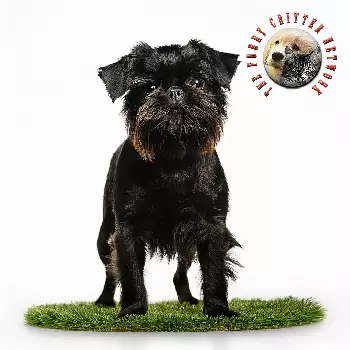
The Brussels Griffon is a sturdy toy breed with a distinctive appearance that has captured hearts worldwide. Standing between six and nine inches tall at the shoulder and weighing eight to twelve pounds, these compact dogs possess a square, thickset body with well-proportioned limbs and a deep chest. Their movement is characterized by a purposeful trot that displays an unmistakable air of self-importance and confidence. The head is somewhat large in comparison to the body, featuring a rounded skull with a pronounced domed forehead and a deep stop between the eyes. Their large, dark eyes are set wide apart with long black eyelashes, creating an almost human-like expression that is both alert and intelligent, often drawing comparisons to the Ewoks from Star Wars. The breed comes in two distinct coat varieties that are identical in all aspects except their texture. Rough-coated Brussels Griffons have a dense, wiry coat that is longer around the face, forming a distinctive beard and fringe around the eyes, nose, and chin that earned them the nickname "bearded dogs" in historical Belgian folk songs. The rough coat requires regular hand-stripping to maintain its proper texture and appearance. The smooth-coated variety, sometimes called the Petit Brabancon, has a short, glossy, tight-fitting coat with no facial furnishings and sheds seasonally in spring and fall. Both coat types come in four accepted colors: red, belge which is a mix of black and reddish-brown hairs often with a darker mask and whiskers, black and tan with defined markings, and solid black. The breed's ears are small and set high on the head, and may be kept natural with a semi-erect fold or cropped to stand upright, though cropping has become controversial. Their black nose is very short and set deeply between the eyes, contributing to their brachycephalic facial structure that requires special attention in hot weather. The tail is typically carried high and may be docked to about one-third its natural length. Despite their small stature, Brussels Griffons are surprisingly athletic and sturdy, with surprisingly heavy and muscular bodies that enable them to excel in activities like agility, obedience, and tracking when properly trained and motivated.
Key Characteristics
Temperament Temperament Temperament Temperament Temperament Temperament Training a Brussels Griffon requires patience and creativity due to their intelligent yet sometimes stubborn nature. They respond best to positive reinforcement techniques and do not tolerate harsh corrections well because of their sensitive disposition. These dogs make alert watchdogs and will bark to announce visitors, though they are not aggressive or prone to excessive vocalization. They generally do well with other pets and can be good family dogs, provided children understand that despite being in the toy group, they are not toys and require gentle handling. Their moderate energy level means they need about thirty minutes of exercise daily to stay happy and healthy.
Health Considerations Health Considerations Health Considerations Health Considerations Health Considerations Health Considerations Orthopedic issues including patellar luxation, where the kneecap slips out of place causing intermittent lameness, and hip dysplasia are concerns despite the breed's small size. Syringomyelia, a serious neurological condition involving fluid-filled cavities in the spinal cord, has been identified in the breed with increasing frequency and can cause significant pain. Dental disease is common due to their small mouths and crowded teeth, making regular dental care essential. The skin folds on their face require daily cleaning to prevent bacterial or yeast infections. Heart conditions, particularly mitral valve disease, may develop in older dogs and should be monitored through regular veterinary checkups.
Chinese Shar-Pei

The Chinese Shar-Pei is a medium-sized, compact dog instantly recognizable by its unique physical characteristics that set it apart from all other breeds. Standing seventeen to twenty inches tall at the shoulder and weighing between forty-four and sixty pounds, this breed presents a square profile with a broad, flat head and distinctive hippopotamus-shaped muzzle that is wide, padded, and full. The body is sturdy and muscular with a deep chest, and the high-set tail curls tightly over the back or to either side. One of the breed's most remarkable features is its loose, wrinkled skin, which is particularly abundant in puppies and becomes more limited to the head, neck, and withers as the dog matures into adulthood. The breed's coat is another defining characteristic, with the name "Shar-Pei" literally meaning "sand skin" in reference to its harsh, bristly texture that feels rough to the touch. Two coat types exist within the breed: the extremely short horse coat, which feels prickly and stands off from the body, and the slightly longer brush coat that can reach up to one inch at the withers. Both varieties are single-coated with no undercoat and require minimal grooming. The Shar-Pei shares the unusual trait of a blue-black tongue with the Chow Chow, one of only a few breeds to possess this distinctive feature. Coat colors include any solid shade such as black, red, fawn, cream, apricot, and chocolate, with darker shading acceptable along the back and ears. The head features small, deeply set almond-shaped eyes that contribute to the breed's characteristic scowl, along with tiny triangular ears that lie flat against the skull with slightly rounded tips. The wrinkled brow, combined with the padded skin above the eyes, creates a frowning expression that is essential to breed type and gives them a dignified appearance. Despite their somewhat exotic appearance, Shar-Peis move with confident, balanced strides that reflect their heritage as versatile working dogs capable of guarding, hunting, and herding.
Key Characteristics
Temperament Temperament Temperament Temperament Temperament Temperament Despite their aloof exterior, Shar-Peis are deeply loyal and affectionate with those they trust. They integrate well into family life when raised with children from puppyhood, though they may not tolerate rough handling. Their exercise needs are moderate, with daily walks and some playtime being sufficient to keep them healthy and content. They adapt reasonably well to apartment living due to their calm indoor demeanor, though their tendency to bark when sensing threats may be a consideration. The breed's protective instincts mean they take guarding their home and family seriously and will meet perceived threats with determination.
Health Considerations Health Considerations Health Considerations Health Considerations Health Considerations Health Considerations Other health concerns include hypothyroidism, which affects thyroid hormone production, and primary open-angle glaucoma, a painful eye condition that can lead to blindness. Atopic dermatitis and other allergic skin conditions are common, often causing persistent itching and discomfort. Hip dysplasia and patellar luxation can affect mobility, particularly as dogs age. A notable percentage of Shar-Peis have vitamin B12 deficiency due to malabsorption issues, requiring supplementation. Prospective owners should seek breeders who conduct health screenings and be prepared for the ongoing veterinary care this breed typically requires.
Important to Remember
Each hybrid dog is unique and may inherit any combination of traits from either parent breed. The information above represents the characteristics of the purebred parent breeds. Your Griffon-Pei may favor one parent over the other or display a blend of both. We strongly encourage you to read the complete breed profiles for both the Brussels Griffon and Chinese Shar-Pei to fully understand the range of possible temperaments, health concerns, and care requirements.