Greybull Pit
The Greybull Pit is a cross between the American Pit Bull Terrier and the Greyhound. Because each hybrid inherits a unique combination of traits from both parents, we recommend thoroughly researching both breeds before choosing a Greybull Pit. Pay special attention to temperament, health issues, and care requirements, as your dog may express characteristics from either parent breed.
American Pit Bull Terrier

The American Pit Bull Terrier is a medium-sized dog with a solid, muscular build that conveys both strength and athleticism in every aspect of its form. Males typically stand between 18 and 21 inches tall at the shoulder and weigh 35 to 60 pounds, while females are slightly smaller, measuring 17 to 20 inches and weighing 30 to 50 pounds. The breed possesses a compact, well-proportioned body with particularly well-developed muscles around the shoulder and neck areas that speak to their working heritage. Their large, blocky heads are shaped like a blunt wedge, featuring a wide, deep muzzle that is notably longer than the pushed-in snout seen in modern English Bulldogs. The jaw is well-defined with powerful muscles, and the cheeks are prominent without being overly bulging. The coat of the American Pit Bull Terrier is short, smooth, and glossy with a slightly stiff texture that lies close to the body and highlights the muscular definition beneath. This low-maintenance coat comes in virtually every color and pattern except merle, including black, blue, brindle, fawn, red, white, and various striking combinations. Their small to medium-sized ears sit high on the head and may be cropped or left natural, falling as rose or half-prick ears. The eyes are round to almond-shaped, small relative to skull size, placed well apart, and set deep in the skull, conveying an alert and intelligent expression. The breed has a deep, well-sprung chest and strong, firm back, with a relatively short tail that hangs low when relaxed, extends level with the back when moving, and rises when excited or engaged. Despite their muscular appearance, American Pit Bull Terriers move with an agile, confident gait that reflects their athletic heritage and demonstrates remarkable coordination and balance. Their Bulldog ancestry is visible in their robust structure and determined expression, while terrier bloodlines contribute to their quick-thinking agility and spirited demeanor. The breed reaches full physical maturity around 18 months of age, when they fill out their chest completely and achieve their adult proportions. Regular exercise helps maintain their naturally muscular physique without the need for excessive conditioning, as these dogs are naturally athletic.
Key Characteristics
Temperament Temperament Temperament Temperament Temperament Temperament American Pit Bull Terriers are high-energy dogs that require substantial mental and physical stimulation to remain happy and well-behaved throughout their lives. They excel in various activities including agility, obedience competitions, weight pulling, flyball, dock diving, and even therapy work where their gentle nature shines. Their intelligence makes them highly trainable, though they can be strong-willed and benefit from consistent, positive reinforcement training methods that keep sessions engaging. These confident, courageous dogs require experienced owners who understand their needs and can provide firm leadership while nurturing their naturally affectionate disposition and channeling their abundant energy appropriately.
Health Considerations Health Considerations Health Considerations Health Considerations Health Considerations Health Considerations Other health concerns include gastric dilatation-volvulus, commonly known as bloat, which is a life-threatening emergency requiring immediate veterinary attention when the stomach twists on itself. Eye conditions such as progressive retinal atrophy and cataracts may affect vision over time and should be monitored. Some American Pit Bull Terriers carry genes for ichthyosis, a skin disorder causing scaly skin, and neuronal ceroid lipofuscinosis, a progressive neurological disease. The breed also shows heightened sensitivity to parvovirus as puppies and may be prone to dental disease requiring regular care.
Greyhound
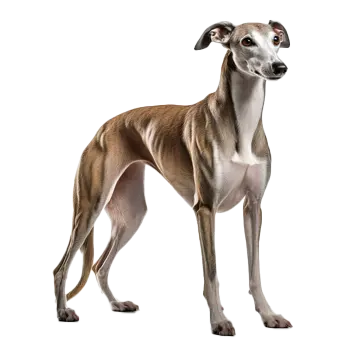
The Greyhound is a tall, elegant sighthound built for speed and agility, possessing a distinctive streamlined silhouette that is instantly recognizable worldwide. Males typically stand 28 to 30 inches at the withers and weigh 65 to 70 pounds, while females measure 27 to 28 inches tall and weigh 60 to 65 pounds, though individual weights can vary considerably above and below these averages. The breed's body is defined by its characteristic S-shaped profile, featuring a deep chest that curves dramatically into a tucked, narrow waist. This unique conformation, combined with long, powerful legs, an exceptionally flexible spine, and a large heart, enables the Greyhound to reach speeds exceeding 40 miles per hour, making it the fastest of all domestic dog breeds. The Greyhound's head is long and narrow, with a barely perceptible stop and a muzzle that tapers gracefully to a fine point. Their distinctive rose ears fold flat against the neck when relaxed but prick forward and may even stand partially erect when the dog is alert or attentive. The eyes are dark, oval-shaped, and intelligent, conveying the breed's gentle and observant nature. Their muscular yet refined build represents the perfect balance of power and aerodynamic efficiency, developed over thousands of years of selective breeding for coursing game at high speeds. The tail is long, fine, and tapered, carried low with a slight upward curve at the end, extending at least to the hock. The coat is short, smooth, and close-lying, requiring minimal grooming while providing little insulation against cold weather due to the breed's extremely low body fat percentage. Greyhounds have virtually no subcutaneous fat, which contributes significantly to their speed but means they require soft bedding to prevent pressure sores on their bony prominences, particularly on hips, elbows, and spine. Coat colors are remarkably varied, including white, fawn, red, gray, blue, black, brindle, and various combinations with or without white markings. The breed's refined, aristocratic appearance reflects its ancient heritage as a companion to nobility and royalty, with depictions of Greyhound-like dogs appearing in art and artifacts dating back over eight thousand years across multiple civilizations.
Key Characteristics
Temperament Temperament Temperament Temperament Temperament Temperament Despite their gentle temperament, Greyhounds retain strong prey drive instincts inherited from thousands of years as coursing hunters that may make them unsuitable for homes with small pets like rabbits, guinea pigs, or cats unless carefully introduced and supervised over time. They are intelligent dogs that respond well to patient, positive training methods, though their independent sighthound nature means they may not display the eager-to-please attitude of some other breeds. Greyhounds are quite sensitive to harsh correction and respond much better to gentle guidance and positive reinforcement.
Health Considerations Health Considerations Health Considerations Health Considerations Health Considerations Health Considerations Greyhounds have unique physiological traits that significantly impact their veterinary care and medication protocols. They possess a deficiency in cytochrome P450 enzymes, making them unable to metabolize certain anesthetic drugs normally, which necessitates specialized protocols and drug selection during sedation or surgery. Delayed postoperative bleeding, occurring 36 to 72 hours after surgery, is a recognized phenomenon believed related to clotting factor abnormalities unique to the breed. Greyhounds have naturally higher red blood cell counts and lower platelet counts than other breeds, which can be misinterpreted by veterinarians unfamiliar with breed norms. They are also extremely sensitive to certain insecticides, particularly pyrethrin-based products commonly found in flea treatments.
Important to Remember
Each hybrid dog is unique and may inherit any combination of traits from either parent breed. The information above represents the characteristics of the purebred parent breeds. Your Greybull Pit may favor one parent over the other or display a blend of both. We strongly encourage you to read the complete breed profiles for both the American Pit Bull Terrier and Greyhound to fully understand the range of possible temperaments, health concerns, and care requirements.