German Wirehaired Pointing Wolfhound
The German Wirehaired Pointing Wolfhound is a cross between the German Wirehaired Pointer and the Irish Wolfhound. Because each hybrid inherits a unique combination of traits from both parents, we recommend thoroughly researching both breeds before choosing a German Wirehaired Pointing Wolfhound. Pay special attention to temperament, health issues, and care requirements, as your dog may express characteristics from either parent breed.
German Wirehaired Pointer

The German Wirehaired Pointer is a medium to large sporting dog that combines athleticism with rugged durability, developed in Germany during the late nineteenth century for versatile hunting work. Males typically stand between 24 to 26 inches at the shoulder and weigh approximately 55 to 70 pounds, while females are slightly smaller at 22 to 24 inches tall and 45 to 60 pounds. The breed exhibits a well-proportioned, balanced build that is square to slightly off-square, with the body length being equal to or just slightly greater than the height at the withers. This sturdy construction features medium bone wrapped in hard, sinewy muscle, creating a dog built for speed, agility, and endurance in the field. The chest is deep and capacious, providing ample lung capacity for sustained work. The most distinctive feature of the German Wirehaired Pointer is its weather-resistant double coat, which serves essential protective functions. The outer coat is harsh, wiry, and lies flat against the body, typically measuring one to two inches in length. This coarse outer layer provides excellent protection from harsh weather conditions, cold water, and thick brush that would damage other coat types. Beneath lies a dense, insulating undercoat that becomes thicker during winter months and thins considerably in summer to regulate body temperature. The coat colors include solid liver or black, often with white markings, ticking, or roan patterns distributed throughout the body. The head typically displays a solid or nearly solid color. Perhaps the most recognizable features are the functional facial furnishings that give the breed its distinguished appearance. Bushy eyebrows protect the eyes from brush and debris while hunting, and a full beard and whiskers adorn the muzzle, providing protection during work in dense cover. The breed also possesses webbed feet that aid considerably in swimming, making them excellent water retrievers. The eyes are oval-shaped and display an alert, intelligent expression. The ears are rounded and hang close to the head, positioned to prevent debris from entering the ear canal. With proper care, the German Wirehaired Pointer enjoys a healthy lifespan of approximately 12 to 14 years.
Key Characteristics
Temperament Temperament Temperament Temperament Temperament Temperament This breed requires substantial physical and mental stimulation to remain well-balanced. They are not suited for apartment living or sedentary households, as insufficient exercise leads to restlessness and potentially destructive behaviors. Daily vigorous exercise is essential, whether through hunting, hiking, swimming, or active play sessions. Their independent streak, inherited from generations of working in the field, means they benefit from firm but fair guidance and early obedience training. When their exercise and companionship needs are met, German Wirehaired Pointers prove to be loyal, even-tempered family companions.
Health Considerations Health Considerations Health Considerations Health Considerations Health Considerations Health Considerations Additional health concerns include hypothyroidism, which affects the thyroid gland and can cause weight gain, lethargy, and skin problems. Gastric dilatation-volvulus, commonly known as bloat, is a life-threatening condition where the stomach fills with gas and potentially twists on itself. This emergency requires immediate veterinary intervention. Some German Wirehaired Pointers may experience exercise-induced collapse, particularly during intense activity. Cardiac conditions such as aortic stenosis have also been documented in the breed. Regular veterinary checkups, maintaining a healthy weight, and appropriate exercise help ensure a healthy life spanning their typical 12 to 14 year lifespan.
Irish Wolfhound
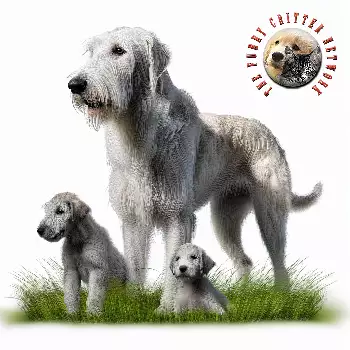
The Irish Wolfhound holds the distinction of being the tallest of all dog breeds, presenting an imposing yet graceful silhouette that commands attention. Males stand at a minimum of 32 inches at the shoulder, with many individuals reaching 34 to 36 inches or taller, and weigh between 120 to 180 pounds. Females are slightly smaller, standing at least 30 inches tall and weighing between 105 to 135 pounds. Despite their enormous size, Irish Wolfhounds are not bulky or heavy-set but rather possess the elegant, muscular build characteristic of sighthounds. Their overall structure resembles a very large, rough-coated Greyhound, combining power with surprising grace and agility. The Irish Wolfhound's coat is an essential feature that provides protection and contributes to their distinctive appearance. The outer coat is hard and rough, particularly wiry and long over the eyes and under the jaw where it forms characteristic bushy eyebrows and a full beard. This harsh, weather-resistant covering lies close to the body and provides excellent protection against cold, damp climates and rough terrain. The coat comes in numerous colors including gray, brindle, red, black, pure white, and fawn, with gray being the most commonly seen shade. White markings may appear on the chest and feet regardless of the primary coat color. The breed's proportions reflect their heritage as coursing hounds bred to pursue and take down large prey. The body is long with great depth of chest and a well-arched loin, providing the flexibility and lung capacity needed for sustained running. The head is long and carried high, with small, rose-shaped ears that fold back against the skull. The neck is long, strong, and well-arched, blending smoothly into well-laid shoulders. The tail is long, slightly curved, and carried low. Despite their impressive physical attributes, Irish Wolfhounds unfortunately have one of the shortest lifespans in the canine world, typically living only 6 to 8 years due to their giant size.
Key Characteristics
Temperament Temperament Temperament Temperament Temperament Temperament Irish Wolfhounds are intelligent but can be independent thinkers who approach training with their own unhurried pace. They respond well to gentle, consistent guidance but are not as eager to please as some other breeds. Harsh training methods are counterproductive with these sensitive giants. While puppies can be quite active, adults require only moderate exercise and are content with daily walks. They do not tolerate being left alone for extended periods and may become anxious when isolated from their families. The breed's slow physical maturation means they remain giant puppies mentally for several years.
Health Considerations Health Considerations Health Considerations Health Considerations Health Considerations Health Considerations Gastric dilatation-volvulus, commonly known as bloat, poses a serious risk due to the breed's deep chest. This life-threatening emergency occurs when the stomach fills with gas and potentially twists. Preventive measures include feeding multiple smaller meals daily and avoiding exercise around feeding times. Hip and elbow dysplasia occur in the breed, and screening can help reduce incidence. Liver shunt, also called portosystemic shunt, is a congenital condition where blood bypasses the liver. Osteochondritis dissecans may affect growing puppies. Other documented conditions include progressive retinal atrophy, von Willebrand's disease, and rear-end weakness in older dogs. The rapid growth rate of Irish Wolfhound puppies makes them vulnerable to developmental orthopedic problems.
Important to Remember
Each hybrid dog is unique and may inherit any combination of traits from either parent breed. The information above represents the characteristics of the purebred parent breeds. Your German Wirehaired Pointing Wolfhound may favor one parent over the other or display a blend of both. We strongly encourage you to read the complete breed profiles for both the German Wirehaired Pointer and Irish Wolfhound to fully understand the range of possible temperaments, health concerns, and care requirements.