Frenchie-Pei
The Frenchie-Pei is a cross between the French Bulldog and the Chinese Shar-Pei. Because each hybrid inherits a unique combination of traits from both parents, we recommend thoroughly researching both breeds before choosing a Frenchie-Pei. Pay special attention to temperament, health issues, and care requirements, as your dog may express characteristics from either parent breed.
French Bulldog
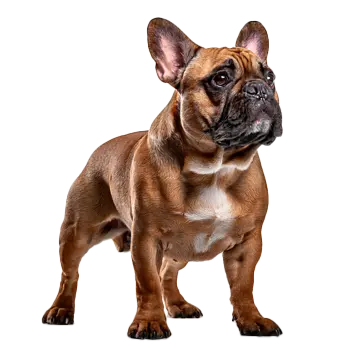
The French Bulldog is a compact, muscular dog with a smooth coat and sturdy bone structure that creates an impression of strength within a small package. This breed typically weighs between sixteen and twenty-eight pounds, with males generally being slightly larger than females. The body is well-proportioned with a characteristic roached back that rises gently toward the loin, a wide and deep chest, and relatively short, stocky legs that give the breed its distinctive low-to-the-ground appearance. The breed possesses heavy bone structure for its size, creating a powerful little dog despite its compact frame, and should feel solid when lifted. One of the most distinctive features of the French Bulldog is its large, square-shaped head with trademark bat ears that stand erect and are broad at the base with rounded tips. These unique ears are set high on the head and carried upright with the opening directed forward, giving the breed its alert and curious appearance. The face is flat with a very short muzzle characteristic of brachycephalic breeds, featuring heavy wrinkles rolled above the extremely short nose. The eyes are set wide apart, positioned low in the skull, and are dark in color with a round shape that contributes to the breed's expressive, intelligent gaze. The underjaw is deep, square, broad, and slightly undershot, with thick, broad flews that hang over the lower jaw. The coat of the French Bulldog is short, smooth, and fine in texture, lying close to the body with a natural sheen. The skin is moderately loose and forms soft wrinkles, especially around the head and shoulders, contributing to the breed's characteristic appearance. Acceptable coat colors include brindle, fawn, white, cream, and combinations of brindle and white or fawn and white. Solid black, liver, mouse gray, and black with white or tan markings are considered disqualifications according to the breed standard. The tail is naturally short, either straight or screwed but not curly, set low, and carried without being raised above the horizontal. The overall impression should be one of an active, intelligent, and well-balanced dog of small structure.
Key Characteristics
Temperament Temperament Temperament Temperament Temperament Temperament French Bulldogs are exceptionally affectionate with family members and are typically patient and tolerant with children of all ages, making them excellent family pets. They tend to be friendly toward strangers once properly introduced, though they can demonstrate protective tendencies toward their loved ones when they sense a threat. The breed is known for developing strong attachments to their owners and may be prone to separation anxiety if left alone for extended periods, preferring constant companionship. They generally get along well with other pets when properly socialized from a young age, though supervision is recommended during interactions with much larger dogs due to their small stature.
Health Considerations Health Considerations Health Considerations Health Considerations Health Considerations Health Considerations French Bulldogs frequently suffer from skin and eye conditions requiring ongoing management. Their characteristic skin folds require regular cleaning to prevent bacterial and yeast infections. The breed is predisposed to allergies affecting both skin and digestive systems, often requiring special diets and medications. Eye problems include cherry eye, where the third eyelid gland protrudes, cataracts that can lead to blindness, and corneal ulcers caused by their prominent eye position. Additionally, the breed commonly experiences gastrointestinal issues including food sensitivities and inflammatory bowel disease. The typical lifespan ranges from ten to fourteen years with appropriate veterinary care.
Chinese Shar-Pei

The Chinese Shar-Pei is a medium-sized, compact dog with a distinctive appearance characterized by abundant loose skin forming deep wrinkles and a unique hippopotamus-shaped muzzle. Adults typically stand eighteen to twenty inches at the shoulder and weigh between forty-five and sixty pounds, with males being slightly larger and more substantial than females. The body has a square profile when viewed from the side, with a broad, flat back and a high-set tail that curls tightly over the back or to either side. The head of the Shar-Pei is large and proportionate to the body, featuring a flat, broad skull and a characteristic padded muzzle that creates the distinctive hippopotamus appearance unique to this breed. The small, triangular ears lie flat against the head and point toward the eyes, set high and forward on the skull. One of the breed's most notable features is the blue-black tongue and mouth tissues, a trait shared only with the Chow Chow among recognized dog breeds. The eyes are small, dark, and deep-set within the facial folds, giving an expression that can appear serious or dignified. Heavy wrinkling is especially prominent in puppies, with adult dogs typically retaining wrinkles primarily around the head, neck, and withers. The Shar-Pei coat comes in two distinct varieties: the horse coat, which is extremely short at less than one-quarter inch and harsh to the touch like bristles, and the brush coat, which can be up to one inch long while remaining close and bristly. The breed name literally translates to sand skin, referring to the harsh, sandpaper-like texture unique among dog breeds. Any solid color or sable pattern is acceptable, including fawn, red, cream, apricot, chocolate, blue, lilac, and black, with darker shading along the back and ears being common. The skin is notably loose and abundant, particularly around the head, neck, and shoulders, having historically served as protection during the breed's fighting and guarding days by preventing opponents from gaining a firm grip on vital areas.
Key Characteristics
Temperament Temperament Temperament Temperament Temperament Temperament The breed is intelligent and quick to learn but has a strong stubborn streak that can make training challenging. Shar-Peis require firm, consistent leadership and respond best to patient, positive training methods begun early in life. They may display same-sex aggression and can be dog-selective, making early and ongoing socialization critical. Their guarding instincts can lead to territorial behavior if not properly managed. The breed's low to moderate energy level makes them suitable for apartment living, though they still require regular exercise and mental stimulation. Prospective owners should understand that this is not a breed for everyone and requires an experienced handler who can provide appropriate structure and boundaries.
Health Considerations Health Considerations Health Considerations Health Considerations Health Considerations Health Considerations Hypothyroidism affects approximately twenty percent of Shar-Peis, causing weight gain, lethargy, skin problems, and hair loss when the thyroid gland fails to produce adequate hormones. The breed is also predisposed to primary open-angle glaucoma and primary lens luxation, both of which can lead to blindness. A genetic mutation in the HAS2 gene responsible for the characteristic wrinkles has been linked to the breed's inflammatory tendencies. Research has shown that fifty to eighty percent of Shar-Peis may have vitamin B12 deficiency requiring supplementation. Hip and elbow dysplasia occur at moderate rates. The average lifespan is around ten years, though with proper health screening, preventive care, and management of breed-specific conditions, many Shar-Peis live healthy, comfortable lives.
Important to Remember
Each hybrid dog is unique and may inherit any combination of traits from either parent breed. The information above represents the characteristics of the purebred parent breeds. Your Frenchie-Pei may favor one parent over the other or display a blend of both. We strongly encourage you to read the complete breed profiles for both the French Bulldog and Chinese Shar-Pei to fully understand the range of possible temperaments, health concerns, and care requirements.