French Masti-Bull
The French Masti-Bull is a cross between the French Bulldog and the Mastiff. Because each hybrid inherits a unique combination of traits from both parents, we recommend thoroughly researching both breeds before choosing a French Masti-Bull. Pay special attention to temperament, health issues, and care requirements, as your dog may express characteristics from either parent breed.
French Bulldog
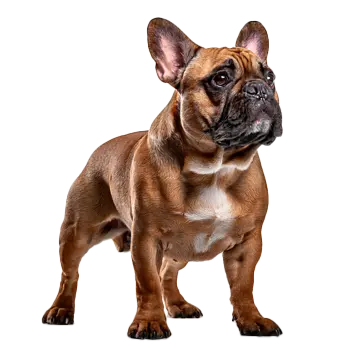
The French Bulldog is a compact, muscular dog of small to medium structure with heavy bone and a smooth coat. The breed typically weighs no more than 28 pounds according to the AKC standard, with ideal weights being around 25-27 pounds for males and 24 pounds for females. Standing approximately 11 to 12 inches tall at the shoulder, this breed presents a well-balanced, sturdy appearance that conveys an active and intelligent dog. The body is thick-set with a wide chest and well-sprung ribs, creating a barrel-shaped ribcage that gives the breed its characteristic stocky appearance. The hallmark features of the French Bulldog are its distinctive square head with trademark bat ears and the unique roach back, where the spine rises progressively toward the loin. The skull is nearly flat between the ears with a domed forehead, and the face features well-defined wrinkles that become particularly prominent when the dog is alert. The muzzle is broad, deep, and set back, with a black nose that has visibly open nostrils. The underjaw is deep, square, and slightly undershot, giving the breed its characteristic pushed-in face appearance. The coat is short, smooth, and fine-textured, lying close to the body and showcasing the muscular build beneath. Accepted colors include fawn, cream, and various shades of brindle, often with white markings. The neck is short, thick, and well-muscled, supporting the broad head and contributing to the overall balanced structure. Despite their compact size, French Bulldogs appear powerful and robust, with front legs that are set wide apart and straight, heavy-boned forelegs that support their muscular frame.
Key Characteristics
Temperament Temperament Temperament Temperament Temperament Temperament French Bulldogs generally get along well with other pets and children when properly socialized, displaying patience and tolerance that makes them suitable family companions. However, they can sometimes show possessive tendencies over their owners' attention, which early training and socialization can help manage. Their adaptable nature means they are content with moderate exercise and are equally happy playing indoors or going for short walks. The breed's sociable personality means they do not cope well with extended periods alone and can develop separation anxiety if left isolated for long periods.
Health Considerations Health Considerations Health Considerations Health Considerations Health Considerations Health Considerations Additional health concerns include eye problems such as cherry eye, cataracts, and entropion, as well as allergies that can cause itching, skin infections, and ear problems. French Bulldogs are prone to heat stroke due to their compromised breathing, making temperature regulation critical during warm weather. The breed's average lifespan ranges from 10 to 12 years, though this can be significantly impacted by the severity of health issues. Regular veterinary checkups, maintaining healthy weight, and careful attention to environmental conditions are essential for promoting longevity and quality of life in this beloved breed.
Mastiff
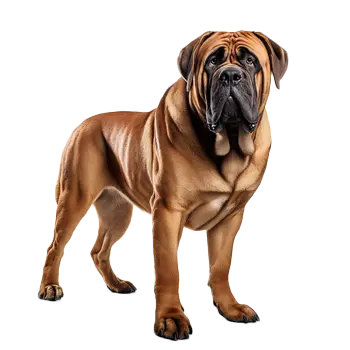
The English Mastiff stands as the largest dog breed in terms of mass, presenting an impressive combination of enormous size and powerful muscular development. Males stand a minimum of 30 inches at the shoulder with many reaching considerably taller, while females measure at least 27.5 inches. Weight varies tremendously, with males typically ranging from 160 to 230 pounds and females from 120 to 170 pounds, though some exceptional males exceed 200 pounds. The breed standard emphasizes mass and substance, with the height coming from depth of body rather than length of leg, creating a distinctly imposing yet well-proportioned silhouette. The Mastiff's head is massive and square-shaped, with a broad skull and pronounced wrinkles that become particularly evident when the dog is attentive. The forehead is slightly curved, and the brows are moderately raised, creating an expression of alert dignity. The muzzle is short and broad, approximately one-third the length of the skull, with a slightly undershot or level bite. The eyes are medium-sized, set wide apart, and display a calm, intelligent expression, while the small, V-shaped ears are set at the highest points of the skull and hang close to the cheeks. A black mask covers the muzzle, extending up around the eyes. The body is massive and symmetrical, with a deep, well-rounded chest that extends to at least the level of the elbows and provides ample room for the heart and lungs. The back is muscular and slightly arched, leading to a broad, muscular loin. The coat is short, straight, and coarse in texture, lying close to the body. Acceptable colors include fawn, apricot, or brindle, all with a distinctive black mask on the face and dark ears. The tail is set high, reaching to the hocks, and is carried straight or with a slight curve when the dog is in motion.
Key Characteristics
Temperament Temperament Temperament Temperament Temperament Temperament Intelligence and sensitivity characterize the Mastiff's personality, and they respond best to patient, positive training methods. Harsh corrections typically prove counterproductive with this breed, which can become stubborn or withdrawn when treated unfairly. Early socialization is crucial to help young Mastiffs develop into confident, well-adjusted adults comfortable in various situations. Despite their historically active roles as guard dogs and war dogs, modern Mastiffs tend toward a more relaxed lifestyle, often preferring lounging near their families to vigorous exercise. However, regular moderate exercise remains important for maintaining their health and preventing obesity.
Health Considerations Health Considerations Health Considerations Health Considerations Health Considerations Health Considerations Cancer represents a leading cause of death in Mastiffs, with osteosarcoma (bone cancer) occurring at particularly elevated rates compared to smaller breeds. This aggressive cancer typically affects the limbs and requires prompt treatment. The breed is also prone to various eye conditions including entropion, ectropion, and progressive retinal atrophy. Hypothyroidism occurs with some frequency and can cause lethargy, weight gain, and skin problems. Degenerative myelopathy, a progressive spinal cord disease causing hind limb weakness and paralysis, affects some Mastiffs. Regular veterinary monitoring, attention to weight management, appropriate exercise, and awareness of emergency conditions like bloat are essential for maximizing health and longevity in this magnificent breed.
Important to Remember
Each hybrid dog is unique and may inherit any combination of traits from either parent breed. The information above represents the characteristics of the purebred parent breeds. Your French Masti-Bull may favor one parent over the other or display a blend of both. We strongly encourage you to read the complete breed profiles for both the French Bulldog and Mastiff to fully understand the range of possible temperaments, health concerns, and care requirements.