Foxhoodle
The Foxhoodle is a cross between the American Foxhound and the Poodle. Because each hybrid inherits a unique combination of traits from both parents, we recommend thoroughly researching both breeds before choosing a Foxhoodle. Pay special attention to temperament, health issues, and care requirements, as your dog may express characteristics from either parent breed.
American Foxhound
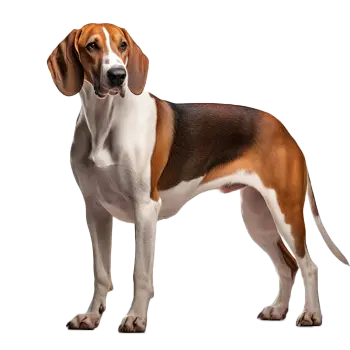
The American Foxhound is a medium to large scent hound that stands between twenty-one and twenty-five inches at the shoulder, with males typically ranging from twenty-two to twenty-five inches and females from twenty-one to twenty-four inches. Weight varies considerably based on the strain and purpose, generally falling between forty-five and seventy-five pounds. The breed displays a lean, muscular build designed for speed and endurance, with longer legs and a lighter frame than their English Foxhound cousins. Their athletic physique allows them to pursue game tirelessly over varied terrain for extended periods. The head is moderately long with a slightly domed skull and a well-defined stop. The muzzle is fairly long and straight, housing a wide nose with open nostrils essential for their scenting ability. The large eyes are set wide apart and are typically hazel or brown, conveying a gentle, pleading expression characteristic of hounds. The ears are long, wide, and set low on the head, reaching nearly to the tip of the nose when drawn forward. These pendant ears hang close to the head with a slight fold and are covered with fine hair. The American Foxhound's coat is close, hard, and of medium length, providing protection against brush and harsh conditions encountered during hunts. The coat can appear in any color or combination of colors, though the classic tricolor pattern of black, white, and tan is most recognizable. The deep chest provides lung capacity for sustained running, while the muscular shoulders and hindquarters deliver power and drive. The tail is set moderately high with a slight upward curve, carried gaily but never curled over the back, and features a slight brush toward the tip. The feet are foxlike and compact with well-arched toes and thick pads built for running. Overall, the breed presents an image of refined athleticism and noble purpose.
Key Characteristics
Temperament Temperament Temperament Temperament Temperament Temperament The breed requires substantial daily exercise, ideally one to two hours of vigorous activity, to remain physically and mentally satisfied. Without adequate exercise and stimulation, American Foxhounds may channel their energy into destructive behaviors or excessive vocalization. Speaking of vocalization, these hounds are known for their distinctive melodious bay, which while beautiful, can be problematic for close neighbors. Early training can help moderate excessive barking and baying. American Foxhounds that receive proper exercise and companionship are calm, affectionate house dogs that enjoy relaxing with their families after a good run.
Health Considerations Health Considerations Health Considerations Health Considerations Health Considerations Health Considerations Hip and elbow dysplasia, conditions where the joints develop abnormally, can occur in American Foxhounds, though they are less common than in some other breeds. Hypothyroidism affecting thyroid hormone production has been documented in the breed and requires lifelong medication management once diagnosed. Ear infections are common due to their long, floppy ears that trap moisture and reduce air circulation; regular ear cleaning helps prevent problems. Dental disease affects the breed at higher than average rates, making oral hygiene important. Obesity is a significant concern as these food-motivated dogs readily gain weight when overfed or under-exercised, which can exacerbate joint problems. The breed may also be prone to bladder stones and cricopharyngeal dysfunction, a swallowing disorder seen primarily in Foxhound puppies.
Poodle

The Poodle is an elegant, athletic breed that comes in three distinct size varieties, each sharing the same breed standard proportions. Standard Poodles stand over fifteen inches at the shoulder and weigh between forty and seventy pounds, while Miniature Poodles range from ten to fifteen inches and weigh ten to fifteen pounds. Toy Poodles measure under ten inches and weigh between four and six pounds. Regardless of size, all Poodles display a square-proportioned, well-balanced physique that combines elegance with athletic capability. The breed carries itself with an air of dignity and pride that reflects its aristocratic heritage. The Poodle's most distinctive feature is its dense, curly coat of harsh texture, which can be presented in either curly or corded form. This single-layer coat sheds minimally, making Poodles a popular choice for people with allergies, though no dog is truly hypoallergenic. The coat comes in a wide variety of solid colors including black, blue, gray, silver, red, apricot, cream, white, brown, café-au-lait, and silver beige. For conformation showing, the coat must be a single solid color, though parti-colored Poodles exist outside show rings. The coat grows continuously and requires regular professional grooming every four to six weeks. The head is long with a moderately rounded skull and a straight, long muzzle approximately equal in length to the skull. The eyes are oval-shaped and dark, set at a slight angle to give an intelligent, alert expression. The ears are long, wide, and set at or slightly below eye level, hanging close to the head with thick, wavy hair. The neck is well-proportioned and strong, rising from muscular shoulders to allow the head to be carried high and with dignity. The body features a deep chest, well-sprung ribs, and a level topline. The tail is set high, carried erect, and traditionally docked in countries where the practice remains legal.
Key Characteristics
Temperament Temperament Temperament Temperament Temperament Temperament Poodles thrive on social interaction and companionship, doing best in households where they receive abundant attention and engagement. They typically get along well with other dogs and pets when socialized from a young age. While generally gentle, they possess a sensitive nature and respond poorly to harsh training methods or chaotic household environments. Standard Poodles require substantial daily exercise and mental stimulation, while smaller varieties need somewhat less physical activity but equal mental engagement. Their sensitivity and intelligence make them excellent therapy and service dogs, capable of reading human emotions and responding appropriately.
Health Considerations Health Considerations Health Considerations Health Considerations Health Considerations Health Considerations Standard Poodles face an elevated risk of gastric dilatation-volvulus, commonly called bloat, a life-threatening emergency where the stomach fills with gas and potentially twists. Sebaceous adenitis is a skin condition more common in Standards that causes hair loss and scaling. Von Willebrand disease, a blood clotting disorder, affects some Poodles. Toy and Miniature varieties are more prone to patellar luxation and Legg-Calvé-Perthes disease affecting the hip joint. Dental disease is common across all sizes, requiring regular dental care. Ear infections can occur due to the breed's pendant ears and hair growth in the ear canal. Regular veterinary examinations, genetic testing, and preventive care help ensure Poodles maintain optimal health.
Important to Remember
Each hybrid dog is unique and may inherit any combination of traits from either parent breed. The information above represents the characteristics of the purebred parent breeds. Your Foxhoodle may favor one parent over the other or display a blend of both. We strongly encourage you to read the complete breed profiles for both the American Foxhound and Poodle to fully understand the range of possible temperaments, health concerns, and care requirements.