Eskimo Chi
The Eskimo Chi is a cross between the American Eskimo and the Chihuahua. Because each hybrid inherits a unique combination of traits from both parents, we recommend thoroughly researching both breeds before choosing a Eskimo Chi. Pay special attention to temperament, health issues, and care requirements, as your dog may express characteristics from either parent breed.
American Eskimo
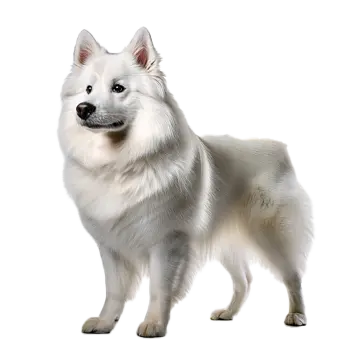
The American Eskimo Dog is a small to medium-sized Nordic breed that presents a picture of strength, agility, and beauty in a compact frame. This breed comes in three distinct size varieties to suit different living situations: the toy stands nine to twelve inches tall, the miniature ranges from twelve to fifteen inches, and the standard measures fifteen to nineteen inches at the withers. Weight varies accordingly, with toy varieties weighing around six to ten pounds, miniatures between ten and twenty pounds, and standards ranging from twenty-five to thirty-five pounds. The body is compactly built and well-balanced, with the length being slightly greater than the height, creating an elegant rectangular silhouette. The breed's most striking feature is its luxurious double coat, which consists of a short, dense undercoat covered by longer guard hairs that form the outer coat. The coat is always white or white with biscuit cream markings, giving the breed its characteristic snow-white appearance. A thick mane or ruff forms around the neck and chest, more pronounced in males, while the hindquarters feature distinctive breeches of longer hair. The profusely coated tail is carried loosely over the back. The coat stands off from the body, creating a fluffy appearance, though it should never curl or wave. The head features a wedge shape with a moderately broad, slightly crowned skull and a well-defined stop. The expression is keen, intelligent, and alert, enhanced by distinctive black points on the nose, lips, and eye rims that contrast beautifully with the white coat. The ears are triangular, erect, and set high on the head, blending softly into the skull. Eyes are slightly oval rather than fully round, set well apart, and range from dark to medium brown in color. The overall impression is of an alert, elegant dog with a smiling expression that reflects the breed's friendly disposition.
Key Characteristics
Temperament Temperament Temperament Temperament Temperament Temperament The American Eskimo thrives as a devoted family companion and forms strong bonds with their owners. They require significant interaction and do not do well when left alone for extended periods, as they may develop separation anxiety or destructive behaviors. They generally get along well with children and other household pets when raised together, though their alert nature means they should be properly introduced to new animals. Their energy level remains high through adulthood, though it typically calms somewhat in middle age. These dogs need to feel like valued family members and respond best to positive reinforcement training methods that channel their intelligence and desire to please.
Health Considerations Health Considerations Health Considerations Health Considerations Health Considerations Health Considerations Dental disease is a common concern in this breed, making regular dental care including daily brushing and professional cleanings essential to prevent tooth loss and systemic health issues. Some American Eskimos may develop epilepsy, a neurological condition causing recurring seizures that typically requires lifelong medication management. Tear staining and skin allergies are also frequently observed. The breed may experience thrombopathia, an inherited bleeding disorder, and Legg-Calve-Perthes disease, which affects the hip joint. Responsible breeders conduct health screenings including hip evaluations, DNA tests, and ophthalmologist examinations to reduce the incidence of hereditary conditions in their lines.
Chihuahua
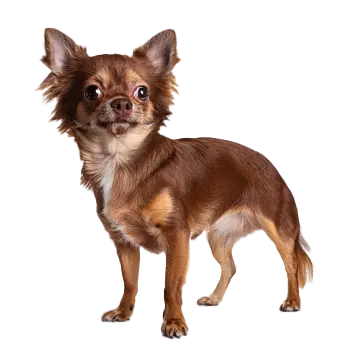
The Chihuahua is recognized as one of the smallest purebred dogs in the world, with a breed standard specifying a weight not exceeding six pounds. This graceful, compact toy breed typically stands five to eight inches tall at the shoulder, though size can vary somewhat. The body is slightly off-square, meaning it is marginally longer when measured from shoulder point to buttocks than it is tall at the withers. Despite their diminutive size, Chihuahuas should present a well-balanced, solidly built appearance without appearing fragile or delicate. Somewhat shorter bodies are preferred in males, while females may display a slightly longer frame. The breed exists in two distinct coat varieties: smooth coat and long coat. Smooth coat Chihuahuas have short, glossy fur that lies close to the body, with a softer texture permissible on the head and ears. Long coat Chihuahuas display soft, flat, or slightly wavy hair that forms fringing on the ears, feathering on the legs and feet, pants on the hind legs, and a pronounced ruff around the neck, with a plumed tail. Both varieties may be single or double coated. The breed standard accepts virtually any color or combination of colors, including solid, marked, or splashed patterns, providing remarkable variety within the breed. The Chihuahua's head is one of its most distinctive features, characterized by a well-rounded apple dome skull, with or without a molera, which is a soft spot similar to a human infant's fontanel. The expression is described as saucy, reflecting the breed's confident personality. Eyes are full, round, and luminous, set well apart, displaying dark coloring or a ruby hue, though lighter eyes are permissible in lighter colored dogs. Large erect ears are held upright when alert and flare to the sides at a forty-five degree angle when relaxed. The muzzle is moderately short and slightly pointed, with lean cheeks and jaws. The nose is self-colored in blonde types or black in darker dogs.
Key Characteristics
Temperament Temperament Temperament Temperament Temperament Temperament Chihuahuas are intelligent dogs that can learn quickly when properly motivated, though they may display a stubborn streak during training. Positive reinforcement methods work best, as harsh corrections can damage their confidence and trust. While they enjoy play sessions and exploring their environment, their small size means their exercise needs are modest compared to larger breeds. They adapt well to apartment living and are content with short walks and indoor play. Due to their size and sometimes assertive temperament, Chihuahuas are generally better suited to households with older, gentle children rather than families with young kids who might accidentally injure them or trigger defensive behaviors.
Health Considerations Health Considerations Health Considerations Health Considerations Health Considerations Health Considerations Heart disease is the leading cause of death in Chihuahuas, most commonly involving degeneration of the heart valves that leads to heart murmurs and eventually heart failure. Tracheal collapse affects some Chihuahuas, causing breathing difficulties and a characteristic honking cough, particularly in overweight dogs or those walked with collars rather than harnesses. Hydrocephalus, an accumulation of fluid in the brain, can occur in this breed, particularly in individuals with very domed skulls. Eye problems including dry eye, glaucoma, and progressive retinal atrophy require monitoring. Chihuahuas are also prone to traumatic injuries due to their small, fragile frames and should be protected from rough handling and interactions with larger dogs.
Important to Remember
Each hybrid dog is unique and may inherit any combination of traits from either parent breed. The information above represents the characteristics of the purebred parent breeds. Your Eskimo Chi may favor one parent over the other or display a blend of both. We strongly encourage you to read the complete breed profiles for both the American Eskimo and Chihuahua to fully understand the range of possible temperaments, health concerns, and care requirements.