English Mastahoula
The English Mastahoula is a cross between the English Mastiff and the Louisiana Catahoula Leopard Dog. Because each hybrid inherits a unique combination of traits from both parents, we recommend thoroughly researching both breeds before choosing a English Mastahoula. Pay special attention to temperament, health issues, and care requirements, as your dog may express characteristics from either parent breed.
English Mastiff
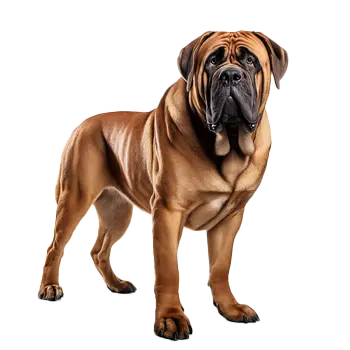
The English Mastiff stands as one of the largest and most massive dog breeds in existence, presenting an awe-inspiring combination of size, power, and symmetry. Males stand at minimum 30 inches at the shoulder and typically weigh between 160 to 230 pounds, while females measure at least 27.5 inches and weigh 120 to 170 pounds. The body is rectangular in shape, with length from shoulder to rump being somewhat greater than height at the withers. The overall impression is one of massive substance combined with dignity and grandeur, creating a powerfully built dog that commands attention through sheer physical presence. The head is a defining characteristic of the breed, appearing heavy and broad with a short, square muzzle and pronounced stop. The skull is wide between the ears and slightly rounded, with well-marked wrinkles visible when the dog is alert. The dark brown eyes are set wide apart and medium-sized, conveying a calm and alert expression. Small, thin ears set high on the head lie flat and close to the cheeks. The muzzle is half the length of the skull, with the nose broad and always dark in color. Heavy flews hang below the lower jaw, and the bite should be scissors or slightly undershot. The coat is short, close-lying, and dense, providing good protection from the elements. Acceptable coat colors include apricot-fawn, silver-fawn, fawn, and dark fawn-brindle, with fawn variations being most common. Regardless of body color, the muzzle, ears, and nose must be dark, preferably black, and the darker the better. The same dark color should extend up and around the eye orbits, creating the characteristic mask. The neck is powerful and slightly arched, blending smoothly into well-laid-back shoulders. The chest is wide, deep, and rounded, with well-sprung ribs. The back is muscular and straight, and the tail is set on moderately high, reaching to the hocks and carried slightly curved but never over the back.
Key Characteristics
Temperament Temperament Temperament Temperament Temperament Temperament Training a Mastiff requires patience and consistency, as these dogs can be stubborn and independent-minded. They are intelligent and capable learners but may not always be eager to comply with commands they consider unnecessary. Positive reinforcement methods work best, as harsh corrections can damage the bond between dog and owner. Despite their calm demeanor, Mastiffs need moderate daily exercise to maintain physical and mental health, though they should not be over-exercised during growth periods. Their exercise needs decrease as they mature, and adult Mastiffs are often content with a couple of leisurely walks per day. They are not typically excessive barkers, preferring to observe situations quietly before taking action if needed.
Health Considerations Health Considerations Health Considerations Health Considerations Health Considerations Health Considerations Heart disease, particularly dilated cardiomyopathy, is a significant concern in the breed. Regular cardiac screening is recommended to detect early signs of heart problems. Cancer rates are also elevated in Mastiffs, with osteosarcoma being particularly prevalent. Eye problems including progressive retinal atrophy, cataracts, entropion, and ectropion occur with some frequency. Hypothyroidism and wobbler syndrome, a condition affecting the cervical vertebrae, are additional breed health concerns. Due to their rapid growth, Mastiff puppies require carefully controlled nutrition to prevent developmental orthopedic diseases. Maintaining appropriate weight throughout life is crucial, as obesity exacerbates joint problems and reduces longevity in this already short-lived breed.
Louisiana Catahoula Leopard Dog

The Louisiana Catahoula Leopard Dog is a medium to large working breed with a powerful, athletic build that reflects its heritage as a versatile hunting and herding dog. Males typically stand 22 to 26 inches at the shoulder and weigh 65 to 95 pounds, while females range from 20 to 24 inches and 50 to 65 pounds. The body is slightly longer than tall, creating a rectangular outline that combines substance with agility. These dogs are well-muscled throughout, with a deep chest reaching approximately to the elbow, strong hindquarters, and a level to slightly sloping topline that conveys power and endurance. The head is broad and flat between the ears with a well-defined stop and strong, slightly tapered muzzle. The most distinctive features of this breed are its remarkable eyes, which may be any color including blue, green, brown, amber, or combinations thereof. Heterochromia, having two different colored eyes, is common and highly prized. Some dogs display cracked or marbled eyes where multiple colors appear within a single iris. The medium-sized drop ears are set at or slightly below eye level and may be cropped or left natural. The feet are notably webbed, an adaptation developed for working in the swampy terrain of Louisiana. The coat is short to medium in length with a smooth to slightly coarse texture, lying close to the body. The breed displays an incredible variety of coat patterns and colors, with the characteristic leopard or merle pattern being most associated with the breed name. Colors include blue merle, red merle, brindle, and solid colors in shades of black, red, yellow, and chocolate. White trim and patches are common. The tail is long and tapered, carried in a natural curve that may rise when the dog is alert or working. The overall appearance is that of a rugged, capable working dog built for endurance and versatility in demanding conditions.
Key Characteristics
Temperament Temperament Temperament Temperament Temperament Temperament Catahoulas can be assertive and dominant, particularly with other dogs of the same sex. Early and ongoing socialization is essential to help manage their natural wariness of unfamiliar people and animals. They have a strong prey drive and may not be trustworthy around small animals or cats unless raised with them from puppyhood. When properly trained and socialized, Catahoulas are devoted companions who will defend their families without hesitation. They are generally quiet dogs who do not bark excessively but will alert their owners to anything unusual in their environment. Their combination of loyalty, protectiveness, and working ability makes them outstanding partners for experienced owners who understand and respect their unique needs.
Health Considerations Health Considerations Health Considerations Health Considerations Health Considerations Health Considerations Hip dysplasia affects Catahoulas at moderate rates and can cause pain, lameness, and arthritis as the dog ages. Screening through hip radiographs is recommended for breeding stock. Gastric dilatation-volvulus or bloat can occur in this deep-chested breed and represents a medical emergency requiring immediate veterinary attention. Degenerative myelopathy, a progressive disease affecting the spinal cord, and hypothyroidism have also been reported in the breed. Maintaining appropriate weight, providing regular exercise, and working with breeders who perform health testing will help ensure your Catahoula lives a long and healthy life. Their active nature generally keeps them fit, but care should be taken to prevent injuries during high-intensity activities.
Important to Remember
Each hybrid dog is unique and may inherit any combination of traits from either parent breed. The information above represents the characteristics of the purebred parent breeds. Your English Mastahoula may favor one parent over the other or display a blend of both. We strongly encourage you to read the complete breed profiles for both the English Mastiff and Louisiana Catahoula Leopard Dog to fully understand the range of possible temperaments, health concerns, and care requirements.