Engatzu Spaniel
The Engatzu Spaniel is a cross between the English Toy Spaniel and the Shih Tzu. Because each hybrid inherits a unique combination of traits from both parents, we recommend thoroughly researching both breeds before choosing a Engatzu Spaniel. Pay special attention to temperament, health issues, and care requirements, as your dog may express characteristics from either parent breed.
English Toy Spaniel

The English Toy Spaniel is a compact, cobby toy breed that presents a square, sturdy appearance despite its small size. Males and females typically stand between 9 and 10 inches at the shoulder and weigh between 8 and 14 pounds, with the breed standard emphasizing a well-balanced, solidly built dog. The body is short and compact with a level topline and moderate tuck-up, giving the breed its characteristic square silhouette. The chest is deep and wide, and the overall structure conveys substance without appearing coarse or clumsy. Despite their diminutive stature, these dogs possess surprising weight and density when held. The head is perhaps the most distinctive feature of the English Toy Spaniel, featuring a well-domed skull that appears large in proportion to the body. The face is characterized by a very short, pushed-in nose with large, wide-open nostrils and a deep, well-defined stop between the eyes. The eyes are large, round, dark, and set wide apart, giving the breed its signature sweet, gentle expression that has charmed royalty for centuries. The ears are set low on the head, hanging flat against the cheeks, and are very long and heavily feathered with silky hair that frames the face beautifully. A slight underbite is typical and acceptable in the breed, contributing to the distinctive facial appearance. The coat is one of the breed's most beautiful features, consisting of long, silky, flowing hair that may be straight or slightly wavy but never curly. The ears, chest, legs, and tail carry profuse feathering that requires regular grooming to maintain its elegant appearance. The breed comes in four distinct color varieties: Blenheim (rich chestnut markings on pearly white background), Prince Charles (tricolor with white, black, and tan), King Charles (solid black and tan), and Ruby (solid rich mahogany red). The tail may be docked to approximately two to four inches or left natural with a natural screw or kink. Movement is free and elegant, reflecting the breed's refined heritage.
Key Characteristics
Temperament Temperament Temperament Temperament Temperament Temperament Training an English Toy Spaniel requires patience and positive reinforcement methods, as the breed can display a stubborn streak and does not respond well to harsh corrections or repetitive training sessions. They are intelligent but may choose when to demonstrate their compliance, showing an independent spirit. The breed generally does well with children who are gentle and respectful, though interactions should be supervised due to their small size and delicate build. English Toy Spaniels can be prone to separation anxiety if left alone for extended periods and do best in homes where they receive abundant attention and companionship from devoted owners.
Health Considerations Health Considerations Health Considerations Health Considerations Health Considerations Health Considerations Eye problems deserve special attention in this breed due to their prominent eyes and facial structure. Cataracts, progressive retinal atrophy, dry eye syndrome (keratoconjunctivitis sicca), cherry eye, and corneal ulcers are all conditions that can affect English Toy Spaniels and require prompt veterinary attention. Syringomyelia, a serious neurological condition where fluid-filled cavities develop in the spinal cord, is increasingly recognized in the breed and can cause significant pain and neurological symptoms. Regular veterinary checkups, maintaining a healthy weight to reduce joint stress, and careful attention to dental health are essential for this breed. The expected lifespan ranges from 10 to 12 years with proper preventive care and health management.
Shih Tzu
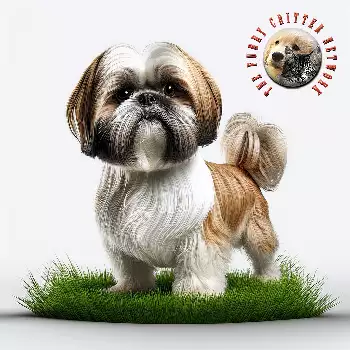
The Shih Tzu is a sturdy, compact toy breed that presents a surprisingly solid and substantial feel despite its small size. Dogs of this breed typically stand between 8 and 11 inches at the shoulder and weigh between 9 and 16 pounds, with females generally on the smaller end of the range. The body structure is slightly longer than it is tall, creating a rectangular silhouette that is well-balanced and well-proportioned. The chest is broad with good depth extending to the elbows, and the overall impression is of a dog with good substance and bone without appearing coarse or overdone. The head of the Shih Tzu is one of its most distinguishing features, broad and round with large, dark, warm eyes set wide apart that give the breed its characteristic sweet, friendly, and trusting expression. The muzzle is short and square, about one inch from the tip of the nose to the defined stop, with good breadth and depth. The nose is typically black, though liver-colored noses are acceptable in liver-colored dogs and blue in blue-pigmented dogs. The ears are large, set slightly below the crown of the skull, and hang down heavily feathered with long hair that blends seamlessly into the coat. The jaw displays a slight undershot bite, which is normal and desirable for the breed. The Shih Tzu's luxurious double coat is its crowning glory, consisting of a dense, soft undercoat and a long, flowing outer coat that is silky in texture. The coat grows continuously and can reach the floor if left unclipped, flowing gracefully with movement and requiring daily maintenance to prevent matting. All colors and markings are acceptable in the breed, including solid, parti-color, and various combinations, with no preference given to any particular coloring. The tail is set high and carried in a curved plume over the back, heavily plumed with long flowing hair. Many owners choose to maintain the coat in a shorter, more practical trim, though show dogs display the full-length coat in all its magnificent glory.
Key Characteristics
Temperament Temperament Temperament Temperament Temperament Temperament Shih Tzus can display a stubborn streak that requires patience during training, though they respond well to positive reinforcement methods and gentle handling that respects their dignity. They are intelligent but may choose to use that intelligence to get what they want rather than simply comply with commands on demand. Early socialization is important to prevent shyness or excessive wariness around strangers. The breed typically gets along well with other dogs and pets when properly introduced and socialized from puppyhood. However, Shih Tzus do require significant human companionship and may develop separation anxiety if left alone for extended periods regularly, preferring homes where someone is present for most of the day.
Health Considerations Health Considerations Health Considerations Health Considerations Health Considerations Health Considerations Other health concerns in Shih Tzus include patellar luxation, intervertebral disc disease (IVDD), hip dysplasia, hypothyroidism, and various skin allergies and conditions. Ear infections can occur due to the heavy, floppy ears that can trap moisture and debris. Umbilical hernias are relatively common in puppies. Renal dysplasia, a kidney disorder, can affect some lines. The average lifespan of a Shih Tzu ranges from 10 to 16 years, with an average of approximately 12 to 13 years. Regular veterinary care, proper weight management, and attention to dental and eye health can help ensure a long, healthy life.
Important to Remember
Each hybrid dog is unique and may inherit any combination of traits from either parent breed. The information above represents the characteristics of the purebred parent breeds. Your Engatzu Spaniel may favor one parent over the other or display a blend of both. We strongly encourage you to read the complete breed profiles for both the English Toy Spaniel and Shih Tzu to fully understand the range of possible temperaments, health concerns, and care requirements.