Elk-Kee
The Elk-Kee is a cross between the Keeshond and the Norwegian Elkhound. Because each hybrid inherits a unique combination of traits from both parents, we recommend thoroughly researching both breeds before choosing a Elk-Kee. Pay special attention to temperament, health issues, and care requirements, as your dog may express characteristics from either parent breed.
Keeshond

The Keeshond is a medium-sized spitz breed that presents a strikingly beautiful appearance characterized by its luxurious coat and fox-like expression. Males typically stand at eighteen inches at the shoulder, while females measure approximately seventeen inches, with weights ranging from thirty-five to forty-five pounds for both sexes. The breed displays a square, well-balanced build with moderate bone structure that conveys sturdiness without heaviness. The overall impression is one of alertness, intelligence, and friendly confidence, with every element of the dog's structure contributing to a harmonious whole that has made the Keeshond one of the most visually distinctive companion breeds. The magnificent double coat is the Keeshond's crowning glory and perhaps its most defining characteristic. A dense, soft undercoat provides excellent insulation, while the longer, harsh guard hairs stand out from the body, creating a profuse, plush appearance. The coloring presents as a dramatic mixture of gray, black, and cream, with black tips on the outer hairs creating the characteristic shading pattern. A pronounced ruff or mane encircles the neck, particularly prominent in males, lending a lion-like appearance to the front assembly. The hindquarters display lighter-colored feathering often called trousers, while the tail carries a magnificent plume of light-colored hair. The coat requires regular brushing but surprisingly sheds heavily only twice yearly during seasonal coat blowing. Perhaps the most charming feature of the Keeshond is the distinctive facial markings known as spectacles. These consist of delicate dark lines extending from the outer corner of each eye toward the lower corner of each ear, combined with lighter shadings and markings around the eyes that create the appearance of the dog wearing glasses. This unique feature contributes enormously to the breed's characteristic sweet, intelligent expression. The head itself is wedge-shaped with a moderate stop, topped by small, triangular, erect ears set high on the skull. Eyes are medium-sized, almond-shaped, and dark brown, conveying warmth and friendliness. The tail is set high and curls tightly over the back, lying close to the body and creating the distinctive silhouette associated with spitz breeds.
Key Characteristics
Temperament Temperament Temperament Temperament Temperament Temperament The Keeshond's heritage as a Dutch barge dog, where they served as companions and watchdogs on river vessels, has shaped several aspects of their modern temperament. They are alert and vigilant, readily announcing the approach of visitors or anything unusual in their environment. This watchdog tendency means they can be barkers if not properly trained from an early age to moderate their vocalizations. They adapt remarkably well to various living situations including apartments, provided their moderate exercise needs are met and they receive sufficient attention and mental stimulation. Keeshonden are excellent with children and typically get along well with other pets when properly introduced. Their playful nature persists well into adulthood, and they retain a youthful enthusiasm that delights their families.
Health Considerations Health Considerations Health Considerations Health Considerations Health Considerations Health Considerations Several other health conditions warrant awareness from Keeshond owners. Epilepsy affects the breed and can cause recurrent seizures requiring lifelong medication management. Eye problems including progressive retinal atrophy and cataracts may develop and require monitoring through regular ophthalmologic examinations. Hypothyroidism, insufficient production of thyroid hormones, occurs in the breed and presents with symptoms including weight gain, lethargy, and coat problems. Skin and coat conditions occasionally affect Keeshonden, including allergies and hot spots. A 2024 UK study found an average life expectancy of over twelve years for the breed. With proper care, attention to health screening in breeding animals, and regular veterinary monitoring, many Keeshonden live well into their teens as healthy, active companions.
Norwegian Elkhound
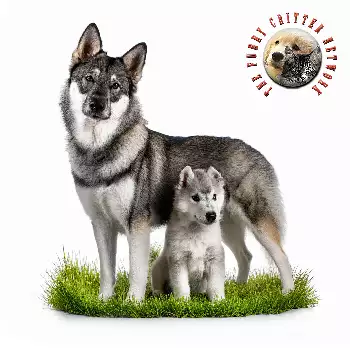
The Norwegian Elkhound is a hardy, medium-sized spitz-type dog that embodies the rugged beauty of its Scandinavian homeland. Males typically stand at twenty and a half inches at the shoulder and weigh approximately fifty-five pounds, while females measure around nineteen and a half inches and weigh about forty-eight pounds. The breed presents a square, athletic profile with substantial bone and well-developed musculature that speaks to its heritage as a big game hunter capable of tracking and holding moose in the Norwegian wilderness. The overall impression is one of boldness, power, and agility combined with the dignified bearing characteristic of ancient northern breeds. The Elkhound's distinctive coat is its most striking feature and serves as essential protection against harsh Nordic weather. The dense double coat consists of a soft, woolly undercoat covered by coarse, straight guard hairs that stand somewhat off the body. The coloring is an unmistakable gray created by black-tipped outer hairs over a lighter undercoat, producing a distinctive saddle marking across the back. Silver-gray coloration appears on the chest, mane, and lower legs, while the undercoat ranges from light silver to pale cream. A defining characteristic is the harness mark, a band of lighter hair that follows the line where a sled harness would rest, accentuating the breed's working heritage. The Norwegian Elkhound's head reflects its spitz ancestry with a broad skull that tapers toward the muzzle and a well-defined stop between the forehead and face. Ears are set high, pointed, and carried erect, alert to every sound in the environment. The eyes are medium-sized, oval-shaped, and dark brown, conveying an expression of keen intelligence and friendly confidence. The muzzle is thick at the base and tapers without being snipey, housing powerful jaws. Perhaps most characteristic is the tightly curled tail that lies over the centerline of the back, covered with thick, straight hair without any plume. This tail carriage is a hallmark of the breed and contributes significantly to its distinctive silhouette.
Key Characteristics
Temperament Temperament Temperament Temperament Temperament Temperament Elkhounds possess substantial energy reserves and require significant daily exercise to remain happy and well-behaved. A minimum of sixty minutes of vigorous activity is typically necessary to satisfy their needs, though many thrive with considerably more. Without adequate physical and mental stimulation, they may become destructive or develop nuisance barking habits. The breed tends to be vocal in general, readily communicating through a range of barks, howls, and other vocalizations. They generally coexist well with other dogs and can be good with children, particularly when raised together, though their energy and exuberance may overwhelm very small children. Early socialization is essential for developing appropriate behavior around strangers and in new situations.
Health Considerations Health Considerations Health Considerations Health Considerations Health Considerations Health Considerations Other health considerations for Norwegian Elkhound owners include hypothyroidism, which occurs when the thyroid gland produces insufficient hormones and can cause weight gain, lethargy, skin problems, and coat changes. Sebaceous cysts, benign lumps under the skin, occur in the breed with some regularity and may require surgical removal if they become problematic. The thick double coat can predispose some individuals to hot spots and skin infections, particularly in warm, humid climates. Despite these potential concerns, well-bred Norwegian Elkhounds from health-tested parents typically enjoy lifespans of twelve to fifteen years. Regular veterinary care, appropriate exercise, proper nutrition, and maintenance of healthy weight all contribute to maximizing health and longevity in this ancient breed.
Important to Remember
Each hybrid dog is unique and may inherit any combination of traits from either parent breed. The information above represents the characteristics of the purebred parent breeds. Your Elk-Kee may favor one parent over the other or display a blend of both. We strongly encourage you to read the complete breed profiles for both the Keeshond and Norwegian Elkhound to fully understand the range of possible temperaments, health concerns, and care requirements.