Elk-a-Bee
The Elk-a-Bee is a cross between the Norwegian Elkhound and the Beagle. Because each hybrid inherits a unique combination of traits from both parents, we recommend thoroughly researching both breeds before choosing a Elk-a-Bee. Pay special attention to temperament, health issues, and care requirements, as your dog may express characteristics from either parent breed.
Norwegian Elkhound
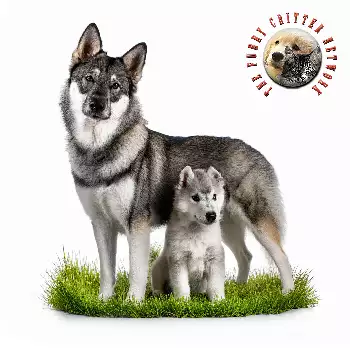
The Norwegian Elkhound is a hardy, medium-sized spitz-type dog that embodies the rugged beauty of its Scandinavian homeland. Males typically stand at twenty and a half inches at the shoulder and weigh approximately fifty-five pounds, while females measure around nineteen and a half inches and weigh about forty-eight pounds. The breed presents a square, athletic profile with substantial bone and well-developed musculature that speaks to its heritage as a big game hunter capable of tracking and holding moose in the Norwegian wilderness. The overall impression is one of boldness, power, and agility combined with the dignified bearing characteristic of ancient northern breeds. The Elkhound's distinctive coat is its most striking feature and serves as essential protection against harsh Nordic weather. The dense double coat consists of a soft, woolly undercoat covered by coarse, straight guard hairs that stand somewhat off the body. The coloring is an unmistakable gray created by black-tipped outer hairs over a lighter undercoat, producing a distinctive saddle marking across the back. Silver-gray coloration appears on the chest, mane, and lower legs, while the undercoat ranges from light silver to pale cream. A defining characteristic is the harness mark, a band of lighter hair that follows the line where a sled harness would rest, accentuating the breed's working heritage. The Norwegian Elkhound's head reflects its spitz ancestry with a broad skull that tapers toward the muzzle and a well-defined stop between the forehead and face. Ears are set high, pointed, and carried erect, alert to every sound in the environment. The eyes are medium-sized, oval-shaped, and dark brown, conveying an expression of keen intelligence and friendly confidence. The muzzle is thick at the base and tapers without being snipey, housing powerful jaws. Perhaps most characteristic is the tightly curled tail that lies over the centerline of the back, covered with thick, straight hair without any plume. This tail carriage is a hallmark of the breed and contributes significantly to its distinctive silhouette.
Key Characteristics
Temperament Temperament Temperament Temperament Temperament Temperament Elkhounds possess substantial energy reserves and require significant daily exercise to remain happy and well-behaved. A minimum of sixty minutes of vigorous activity is typically necessary to satisfy their needs, though many thrive with considerably more. Without adequate physical and mental stimulation, they may become destructive or develop nuisance barking habits. The breed tends to be vocal in general, readily communicating through a range of barks, howls, and other vocalizations. They generally coexist well with other dogs and can be good with children, particularly when raised together, though their energy and exuberance may overwhelm very small children. Early socialization is essential for developing appropriate behavior around strangers and in new situations.
Health Considerations Health Considerations Health Considerations Health Considerations Health Considerations Health Considerations Other health considerations for Norwegian Elkhound owners include hypothyroidism, which occurs when the thyroid gland produces insufficient hormones and can cause weight gain, lethargy, skin problems, and coat changes. Sebaceous cysts, benign lumps under the skin, occur in the breed with some regularity and may require surgical removal if they become problematic. The thick double coat can predispose some individuals to hot spots and skin infections, particularly in warm, humid climates. Despite these potential concerns, well-bred Norwegian Elkhounds from health-tested parents typically enjoy lifespans of twelve to fifteen years. Regular veterinary care, appropriate exercise, proper nutrition, and maintenance of healthy weight all contribute to maximizing health and longevity in this ancient breed.
Beagle
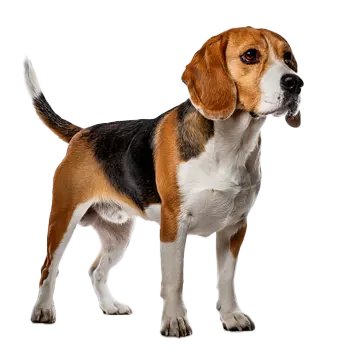
The Beagle is a small to medium-sized scent hound that combines a sturdy, compact build with an appealing, friendly expression that has made it one of the most beloved family dogs worldwide. The American Kennel Club recognizes two size varieties based on height at the shoulder: those standing under thirteen inches and those measuring between thirteen and fifteen inches. Weight typically ranges from twenty to thirty pounds depending on height, with the breed presenting a solid, athletic frame that reflects its heritage as a relentless rabbit and hare hunter. The overall appearance suggests stamina and strength without coarseness, a hound built for sustained pursuit rather than speed. The Beagle's coat is close, hard, and of medium length, providing excellent protection during hunts through dense cover. Any true hound color is acceptable according to breed standards, though the classic tricolor pattern of black, tan, and white predominates in popularity. This striking coloration typically features a black saddle over the back, rich tan on the face, ears, and legs, and white on the chest, muzzle, feet, and tail tip. Other common patterns include red and white, lemon and white, and various combinations of these colors in either solid or ticked patterns. The coat sheds moderately year-round and requires only basic grooming to maintain its neat appearance. The Beagle's head is fairly long and cleanly chiseled, with a moderately domed skull and a square, well-proportioned muzzle that houses the remarkable scenting apparatus that defines the breed. The large, soft brown or hazel eyes give the Beagle its characteristic gentle, pleading expression that melts hearts and wins treats. Ears are set low and long, reaching nearly to the tip of the nose when drawn forward, with a fine, soft texture and a slightly rounded tip. These long, pendant ears help funnel scent toward the nose during tracking. The tail is moderately high-set and carried gaily but never curved forward over the back, featuring a distinctive white tip known as the stern that allows hunters to locate their dogs in tall brush or undergrowth.
Key Characteristics
Temperament Temperament Temperament Temperament Temperament Temperament Beagles were bred to work in packs and consequently possess strong social instincts that extend to both humans and other dogs. They generally coexist wonderfully with canine companions and suffer from loneliness when isolated. This pack mentality also contributes to their tendency toward vocalization, as Beagles communicate through a distinctive range of sounds including barks, howls, and their trademark bay. This melodious voice can become problematic in close living situations if not properly managed. The breed possesses moderate energy levels requiring regular exercise, though they are less demanding than many sporting breeds. Without adequate physical activity and mental stimulation, Beagles may redirect their energy toward digging, chewing, or excessive howling.
Health Considerations Health Considerations Health Considerations Health Considerations Health Considerations Health Considerations Several other health conditions occur in Beagles with notable frequency. Epilepsy affects the breed more commonly than many others, potentially causing seizures that require lifelong medication management. Hip dysplasia, while less prevalent than in larger breeds, does occur and can lead to arthritis and mobility issues. Hypothyroidism, insufficient production of thyroid hormones, may develop and require daily medication to manage symptoms including weight gain and lethargy. Eye conditions including cherry eye, glaucoma, and progressive retinal atrophy affect some individuals. Ear infections are common due to those beautiful long, floppy ears that trap moisture and debris. With proper care including weight management, regular veterinary attention, and attention to ear health, well-bred Beagles typically enjoy lifespans of twelve to fifteen years.
Important to Remember
Each hybrid dog is unique and may inherit any combination of traits from either parent breed. The information above represents the characteristics of the purebred parent breeds. Your Elk-a-Bee may favor one parent over the other or display a blend of both. We strongly encourage you to read the complete breed profiles for both the Norwegian Elkhound and Beagle to fully understand the range of possible temperaments, health concerns, and care requirements.