Doxle
The Doxle is a cross between the Beagle and the Dachshund. Because each hybrid inherits a unique combination of traits from both parents, we recommend thoroughly researching both breeds before choosing a Doxle. Pay special attention to temperament, health issues, and care requirements, as your dog may express characteristics from either parent breed.
Beagle
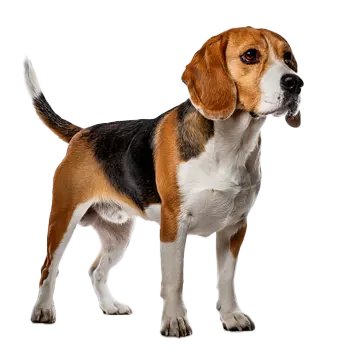
The Beagle is a compact, muscular hound that comes in two size varieties recognized by kennel clubs. The smaller variety stands thirteen inches or under at the shoulder, while the larger variety measures between thirteen and fifteen inches. Both sizes share the same sturdy, solid build designed for endurance during long hunts. Weight typically ranges from eighteen to thirty pounds depending on height, with the breed displaying a well-balanced, athletic physique. The overall impression is of a hardy, functional dog capable of covering ground efficiently while maintaining stamina for extended periods of scent work. The head features a moderately domed skull with a square, well-defined muzzle of medium length. Large, expressive brown or hazel eyes convey the gentle, pleading expression characteristic of the breed. The ears are remarkably long and pendulous, set low on the head and hanging close to the cheeks with rounded tips. When drawn forward, the ears nearly reach the tip of the nose. This ear structure serves a practical purpose, helping to funnel scent particles toward the nose while the dog tracks prey. The chest is deep and broad, providing ample room for the heart and lungs, while the back remains level and the tail is carried gaily but not curled over the back. The Beagle's coat is short, dense, and hard, providing weather protection without requiring extensive grooming. The texture is close and resistant to rain and brush, suited to the breed's outdoor working heritage. Coat colors include any recognized hound coloration, with the classic tricolor pattern of black, white, and tan being most common. Other accepted colors include red and white, lemon and white, and chocolate tricolor, among others. White typically appears on the chest, legs, and tail tip. The breed possesses an exceptional sense of smell, with approximately two hundred twenty million scent receptors making them one of the most capable tracking dogs among all breeds.
Key Characteristics
Temperament Temperament Temperament Temperament Temperament Temperament Beagles are notably vocal dogs that communicate through various sounds including barking, howling, and their distinctive baying. This tendency served them well as hunting hounds, alerting hunters to prey location, but can create challenges in suburban or apartment living. They may howl when lonely, bored, or responding to other sounds in the environment. The breed has high energy levels and requires substantial daily exercise to remain content and well-behaved. Without adequate physical activity and mental stimulation, Beagles may develop destructive behaviors or attempt to escape in search of adventure. They are prone to separation anxiety and strongly prefer households where they have consistent companionship throughout the day.
Health Considerations Health Considerations Health Considerations Health Considerations Health Considerations Health Considerations Additional health concerns include intervertebral disc disease, which can cause back pain and neurological symptoms. Cherry eye, a prolapse of the third eyelid gland, may require surgical correction. Patellar luxation affects some individuals, causing intermittent lameness. Progressive retinal atrophy can lead to gradual vision loss. Various allergies may manifest as skin problems or digestive issues. Diabetes occurs at higher rates in overweight Beagles, emphasizing the importance of weight management. With proper care, regular veterinary checkups, and attention to diet and exercise, Beagles typically enjoy a lifespan of twelve to fifteen years, remaining active and playful well into their senior years.
Dachshund

The Dachshund is immediately recognizable by its elongated body and remarkably short legs, a build developed specifically for pursuing badgers and other burrowing animals into underground tunnels. This breed comes in two size varieties: standard Dachshunds typically weigh between sixteen and thirty-two pounds, while miniature Dachshunds weigh eleven pounds or less. Both varieties stand quite low to the ground, with most measuring under nine inches at the shoulder. The breed possesses a muscular, compact frame despite its unusual proportions, with a deep chest that provides ample lung capacity and a long, tapered muzzle well-suited for scenting prey. The overall silhouette presents a long, low dog with surprising substance and power. The Dachshund's coat comes in three distinct varieties, each with its own texture and grooming requirements. Smooth-coated Dachshunds have short, shiny hair that lies close to the body and requires minimal maintenance. Longhaired Dachshunds display sleek, slightly wavy fur with elegant feathering on the ears, chest, and legs. Wirehaired Dachshunds possess a rough, hard outer coat with a softer undercoat, along with distinctive facial furnishings including a beard and bushy eyebrows. Coat colors span a wide spectrum including solid red, black and tan, chocolate and tan, cream, wild boar in wirehaired varieties, and various patterns such as dapple, brindle, and piebald. Eye color typically ranges from dark brown to amber, depending on coat coloration. Several distinctive physical features contribute to the Dachshund's unique silhouette and working ability. The front paws are disproportionately large and paddle-shaped, perfectly designed for efficient digging through soil and debris. The skin is notably loose, preventing tearing when the dog navigates tight underground passages. Long, drooping ears frame the face and help funnel scent particles toward the nose during tracking work. The tail extends as a continuation of the spine and is typically carried in line with the back or slightly elevated, serving as a visible marker when the dog works in tall grass or underground burrows.
Key Characteristics
Temperament Temperament Temperament Temperament Temperament Temperament Personality variations exist among the three coat types, with many owners and breeders noting distinct temperamental differences. Longhaired Dachshunds often display calmer, more gentle dispositions, possibly due to spaniel ancestry in their development. Wirehaired Dachshunds tend to be the most outgoing and clownish of the three varieties, bringing terrier-like energy and mischief to their interactions. Smooth-coated Dachshunds frequently exhibit stronger one-person loyalty and may be more reserved overall. Regardless of coat type, all Dachshunds require mental stimulation to prevent boredom-related behavioral problems and thrive when given opportunities to use their keen noses and problem-solving abilities.
Health Considerations Health Considerations Health Considerations Health Considerations Health Considerations Health Considerations Additional health considerations include hypothyroidism, which can cause weight gain and skin problems, and bloat in standard-sized dogs with deeper chests. Miniature wirehaired Dachshunds face a specific concern called Lafora disease, a form of progressive epilepsy. The breed's floppy ears require regular cleaning to prevent infections. With proper care, weight management, and attention to back health, Dachshunds typically enjoy a lifespan of twelve to fifteen years. Responsible breeding practices including health testing help reduce the incidence of inherited conditions, making breeder selection an important factor for prospective owners.
Important to Remember
Each hybrid dog is unique and may inherit any combination of traits from either parent breed. The information above represents the characteristics of the purebred parent breeds. Your Doxle may favor one parent over the other or display a blend of both. We strongly encourage you to read the complete breed profiles for both the Beagle and Dachshund to fully understand the range of possible temperaments, health concerns, and care requirements.