Doxie-Pin
The Doxie-Pin is a cross between the Dachshund and the Miniature Pinscher. Because each hybrid inherits a unique combination of traits from both parents, we recommend thoroughly researching both breeds before choosing a Doxie-Pin. Pay special attention to temperament, health issues, and care requirements, as your dog may express characteristics from either parent breed.
Dachshund

The Dachshund is instantly recognizable by its distinctive elongated body and remarkably short legs, a physique developed specifically for pursuing badgers and other burrowing animals into their underground dens. This breed comes in two sizes recognized by major kennel clubs: the Standard Dachshund weighs between sixteen and thirty-two pounds and stands eight to nine inches tall at the shoulder, while the Miniature Dachshund weighs eleven pounds or less and stands only five to six inches tall. The breed's characteristic body shape results from a genetic condition called chondrodysplasia, which produces shortened limbs while maintaining a normal-sized torso, creating that famous low-slung silhouette that has made the breed beloved worldwide. Dachshunds display remarkable variety in their coat types, with three distinct varieties officially recognized: smooth, longhaired, and wirehaired. The smooth-coated variety features short, dense, shiny fur that lies close to the body and requires minimal grooming. Longhaired Dachshunds possess elegant, flowing coats with feathering on the ears, chest, legs, and tail that develops its full glory over time. The wirehaired variety sports a dense, rough outer coat with a finer undercoat, along with distinctive facial furnishings including a beard and bushy eyebrows. All three coat types appear in an impressive array of colors and patterns including solid red, cream, black and tan, chocolate and tan, wild boar, and various dapple and brindle combinations. The breed possesses a well-muscled, compact frame despite its unusual proportions, with a deep chest that provides ample lung capacity for the demanding work of underground hunting. Their paddle-shaped front paws are designed for efficient digging. The head is elongated and tapers uniformly toward the nose, with medium-sized almond-shaped eyes that convey an intelligent, alert expression. Ears are set near the top of the head, moderately long, and rounded at the tips. A typical Dachshund enjoys a lifespan of twelve to sixteen years with proper care and attention.
Key Characteristics
Temperament Temperament Temperament Temperament Temperament Temperament Proper socialization from an early age is essential for Dachshunds, as they can develop wariness or aggression toward strangers and other dogs without adequate exposure to diverse people and situations. Their hunting heritage means they often possess a strong prey drive and may chase small animals. Training requires patience and consistency, as these independent thinkers can be willful and may choose to ignore commands they find inconvenient. Positive reinforcement methods work best with this proud breed. Without proper leadership and boundaries, Dachshunds can develop Small Dog Syndrome, becoming demanding, snappy, or overly protective.
Health Considerations Health Considerations Health Considerations Health Considerations Health Considerations Health Considerations Progressive retinal atrophy can affect Dachshunds, causing gradual vision loss that eventually leads to blindness, and genetic testing can identify carriers of this condition. Epilepsy appears in the breed, causing seizures that typically can be managed with medication. Cushing's disease and diabetes occur at higher rates in Dachshunds than many other breeds. Heart disease, particularly degenerative mitral valve disease, affects some dogs as they age. Miniature wirehaired Dachshunds face an additional concern in Lafora disease, a form of progressive myoclonic epilepsy. Regular veterinary checkups help detect many of these conditions early when treatment is most effective.
Miniature Pinscher
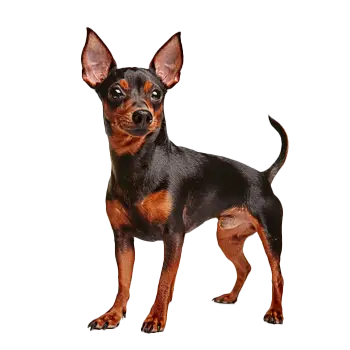
The Miniature Pinscher is a compact, elegant toy breed that stands ten to twelve and a half inches at the shoulder, with an ideal height of eleven to eleven and a half inches, and weighs between eight and eleven pounds. Despite its small size, this breed projects an impression of strength and athleticism, with a well-muscled, sturdy body that is square-proportioned when viewed from the side. The breed's confident carriage and proud demeanor have earned it the affectionate nickname King of Toys, a title that aptly describes its self-assured attitude and regal bearing that makes a striking impression. The Miniature Pinscher's coat is short, smooth, and lies close to the body, requiring minimal grooming while providing a sleek, polished appearance that highlights the breed's muscular definition. Accepted coat colors include solid clear red ranging from deep rust to stag red which features red hairs intermingled with black, as well as black with sharply defined rust-red markings and chocolate with rust-red markings. The markings appear in specific locations including above the eyes, on the cheeks, lips, lower jaw, throat, chest, lower legs, feet, and beneath the tail. This precise color pattern contributes to the breed's refined and distinctive appearance. One of the Miniature Pinscher's most distinctive characteristics is its hackney-like gait, a high-stepping, animated movement that resembles the elegant action of hackney horses. This unique movement pattern involves reaching the front legs far forward and flexing the wrists, creating a prancing appearance that draws attention wherever the dog goes. The head is narrow and elongated with a strong muzzle, and the dark oval eyes convey an alert, intelligent expression. Ears may be cropped to stand erect or left natural in a rose or half-prick configuration. The thick, tapering tail is typically docked in countries where the practice remains legal. A healthy Miniature Pinscher enjoys a lifespan of twelve to sixteen years.
Key Characteristics
Temperament Temperament Temperament Temperament Temperament Temperament Training a Miniature Pinscher requires patience, consistency, and a firm but gentle approach, as these intelligent dogs can be stubborn and may attempt to manipulate inexperienced owners. They respond best to positive reinforcement methods and quickly become bored with repetitive training sessions. Without adequate mental stimulation and clear leadership, this breed may develop behavioral problems including excessive barking, destructiveness, and Small Dog Syndrome. The Miniature Pinscher is not ideally suited for homes with very young children who might handle them roughly. Their tendency toward separation anxiety means they do best in homes where they receive plenty of attention and companionship.
Health Considerations Health Considerations Health Considerations Health Considerations Health Considerations Health Considerations Mucopolysaccharidosis Type VI is a serious genetic storage disease that can affect Miniature Pinschers, causing skeletal abnormalities, corneal clouding, and other complications. Responsible breeders test for this condition to avoid producing affected puppies. Hypothyroidism occurs in the breed, causing metabolic slowdown that may result in weight gain, lethargy, and skin problems. Heart disease, particularly mitral valve disease, may develop as dogs age. Color dilution alopecia can affect Miniature Pinschers with blue or fawn coat colors, causing hair loss and skin problems in dilute-colored areas. Regular veterinary care and health screening help identify and manage these conditions effectively.
Important to Remember
Each hybrid dog is unique and may inherit any combination of traits from either parent breed. The information above represents the characteristics of the purebred parent breeds. Your Doxie-Pin may favor one parent over the other or display a blend of both. We strongly encourage you to read the complete breed profiles for both the Dachshund and Miniature Pinscher to fully understand the range of possible temperaments, health concerns, and care requirements.