Dobocker
The Dobocker is a cross between the Doberman Pinscher and the Cocker Spaniel. Because each hybrid inherits a unique combination of traits from both parents, we recommend thoroughly researching both breeds before choosing a Dobocker. Pay special attention to temperament, health issues, and care requirements, as your dog may express characteristics from either parent breed.
Doberman Pinscher

The Doberman Pinscher is a large, powerful working breed that presents an impressive silhouette of strength, athleticism, and noble bearing. Males typically stand between 26 and 28 inches at the shoulder and weigh 75 to 100 pounds, while females are slightly smaller at 24 to 26 inches tall and 60 to 90 pounds. The breed possesses a square, compact build with a well-proportioned body that combines muscular development with elegant lines, appearing neither heavy-set and cumbersome nor refined and racy. The chest is broad and deep, providing ample lung capacity for sustained physical activity, while the back is short and firm with a slight tuck at the loin creating a streamlined appearance. The legs are straight and parallel when viewed from the front, with well-developed thighs and strong bone structure contributing to the breed's characteristic powerful yet graceful movement. The Doberman's head is long and wedge-shaped when viewed from above and in profile, with a flat skull and well-defined stop. The muzzle is deep and broad, approximately equal in length to the skull, housing a powerful jaw with a scissors bite containing 42 correctly placed teeth. The eyes are almond-shaped and moderately deep-set, displaying an alert and intelligent expression that reflects the breed's watchful nature. Ears are typically cropped to stand erect in countries where the practice is permitted, creating the signature alert appearance, though uncropped ears fold naturally alongside the head. The neck is well-arched, muscular, and elegantly carries the head high, widening gradually toward the body and blending smoothly into the shoulder. The coat is short, smooth, hard, and thick, lying close to the body with minimal undercoat. Recognized colors include black, red, blue, and fawn, all with clearly defined rust-colored markings appearing above each eye, on the muzzle, throat, chest, legs, feet, and below the tail. The blue coloration results from a dilution gene affecting black pigment, while fawn similarly dilutes the red coloration. The tail is traditionally docked at approximately the second joint, though natural tails are becoming more common in regions where docking is prohibited. This sleek, aerodynamic coat requires minimal grooming while showcasing the breed's impressive muscular definition and athletic physique.
Key Characteristics
Temperament Temperament Temperament Temperament Temperament Temperament Dobermans maintain a puppy-like playfulness well into adulthood, often until three to four years of age. They are energetic dogs that require substantial daily exercise, particularly during their first several years. While they can adapt to various living situations when adequately exercised, they thrive best in homes where they can participate in family activities and have regular opportunities for both physical and mental engagement. Their combination of athleticism, trainability, and devotion makes them excellent companions for active owners who understand and appreciate the breed's need for structured activity and close human companionship.
Health Considerations Health Considerations Health Considerations Health Considerations Health Considerations Health Considerations Additional health concerns include hip dysplasia, hypothyroidism, progressive retinal atrophy leading to blindness, and gastric dilatation-volvulus, commonly known as bloat. The breed also shows predisposition to various cancers and chronic active hepatitis. The average lifespan for a Doberman Pinscher ranges from 10 to 12 years, which research has shown to be among the shorter lifespans when compared to other breeds. Responsible breeding practices, regular veterinary care, and appropriate health screening can help identify and manage many of these conditions early.
Cocker Spaniel
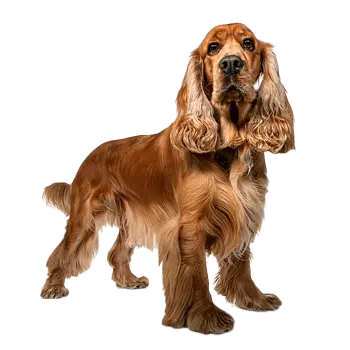
The American Cocker Spaniel is a compact, athletic sporting breed that represents the smallest member of the sporting group while maintaining the sturdy build necessary for a day in the field. Males typically stand 14.5 to 15.5 inches at the shoulder and weigh 25 to 30 pounds, while females measure 13.5 to 14.5 inches and weigh 20 to 25 pounds. The body is well-balanced and solid, with the length from the breastbone to the back of the thigh slightly greater than the height at the withers. The chest is deep, reaching to the elbows, and the back slopes gently from withers to the set of the docked tail. Strong, straight forelegs and well-angulated hindquarters contribute to the breed's characteristic effortless, ground-covering movement. The Cocker Spaniel's head is one of its most distinguishing features, being rounded and refined with a well-defined stop. The muzzle is broad and deep with square, even jaws. The eyes are round, full, and positioned to look directly forward, displaying an intelligent, alert, and soft expression that captures the breed's gentle nature. The long, low-set ears are a breed hallmark, covered with long, silky hair and reaching at least to the tip of the nose when pulled forward. The neck is sufficiently long to allow the nose to reach the ground easily, important for the breed's original flushing and retrieving work. The Cocker Spaniel's luxurious coat is perhaps its most eye-catching feature, consisting of silky, flat or slightly wavy hair that is medium length on the body with heavy feathering on the ears, chest, abdomen, and legs. The coat requires considerable maintenance to prevent matting and keep it in optimal condition. Colors include solid black, black with tan points, any solid color other than black ranging from lightest cream to darkest red, and parti-colors featuring two or more clearly defined colors with white being one. The tail is traditionally docked and carried in line with the topline or slightly higher when the dog is in motion, displaying the breed's merry, enthusiastic nature.
Key Characteristics
Temperament Temperament Temperament Temperament Temperament Temperament Cocker Spaniels possess moderate to high energy levels and require regular exercise to maintain both physical and mental well-being. They excel in various canine activities including obedience, agility, tracking, and field work for which they were originally bred. Their exceptional sense of smell has led to successful careers in detection work. At home, they are playful and active, enjoying games of fetch and exploring the outdoors, but they also appreciate quiet time curled up with their family. Their adaptability allows them to thrive in various living situations provided their exercise and companionship needs are met.
Health Considerations Health Considerations Health Considerations Health Considerations Health Considerations Health Considerations Orthopedic concerns including hip dysplasia, elbow dysplasia, and patellar luxation affect Cocker Spaniels and can cause pain and mobility issues. Maintaining healthy weight helps reduce stress on joints. The breed shows increased incidence of autoimmune disorders, allergies, and skin problems that may manifest as chronic itching, hot spots, or recurring infections. Familial nephropathy, a hereditary kidney disease, occurs in some American lines, causing progressive kidney failure. Cardiac conditions including mitral valve disease affect some Cockers as they age. Periodontal disease affects over 20 percent of the breed, making regular dental care essential. Responsible breeding practices and routine veterinary care help maintain health and longevity.
Important to Remember
Each hybrid dog is unique and may inherit any combination of traits from either parent breed. The information above represents the characteristics of the purebred parent breeds. Your Dobocker may favor one parent over the other or display a blend of both. We strongly encourage you to read the complete breed profiles for both the Doberman Pinscher and Cocker Spaniel to fully understand the range of possible temperaments, health concerns, and care requirements.