Dalmatian Husky
The Dalmatian Husky is a cross between the Dalmatian and the Siberian Husky. Because each hybrid inherits a unique combination of traits from both parents, we recommend thoroughly researching both breeds before choosing a Dalmatian Husky. Pay special attention to temperament, health issues, and care requirements, as your dog may express characteristics from either parent breed.
Dalmatian

The Dalmatian is a medium-sized, well-muscled dog built for endurance and athleticism. Males typically stand between 22.5 and 24.5 inches at the withers and weigh 45 to 80 pounds, while females measure 21.5 to 23.5 inches and weigh 45 to 70 pounds. The breed possesses a sleek, symmetrical build with a deep chest that reaches to the elbow, providing excellent lung capacity for stamina. Their body is slightly longer than tall, creating a balanced silhouette that speaks to their heritage as coaching dogs capable of running alongside horse-drawn carriages for extended distances. The head features a fairly long muzzle with a moderate stop, and ears are set high, carried close to the head with a gradual taper to a rounded tip. The most distinctive feature of the Dalmatian is undoubtedly their spotted coat. Puppies are born completely white, with their characteristic spots developing between ten days and two weeks of age. The spots continue to develop throughout the first year of life. The coat itself is short, dense, fine-textured, and close-fitting, appearing sleek and glossy when properly maintained. Spots should be round, well-defined, and evenly distributed across the body, ranging from dime to half-dollar size. The two accepted spot colors are black or liver brown, with the nose matching the spot color. Some Dalmatians may have patches, which are larger areas of color present at birth rather than developing later. The eyes are medium-sized and set moderately apart, with colors ranging from brown to blue, and occasionally one of each color, known as heterochromia. The tail is fairly long, reaching to the hock, and tapers gradually with a slight upward curve but should never curl over the back. Their feet are round and compact with well-arched toes. The Dalmatian's overall appearance conveys elegance and athleticism, reflecting their historical role as a coach dog requiring both beauty and endurance.
Key Characteristics
Temperament Temperament Temperament Temperament Temperament Temperament Dalmatians are generally good with children, particularly those who are old enough to interact appropriately with dogs, though their exuberant energy may be too much for very young children. They can coexist with other pets when properly introduced, though their strong prey drive may make them unsuitable homes with small animals. The breed has a sensitive nature and does not respond well to harsh training methods or prolonged isolation. They thrive in active households where they can participate in family activities and receive the attention and exercise they need to maintain their happy, balanced temperament.
Health Considerations Health Considerations Health Considerations Health Considerations Health Considerations Health Considerations Additional health issues seen in the breed include hip dysplasia, which can cause lameness and arthritis, and various skin allergies that may manifest as itching and irritation. Epilepsy occurs in some bloodlines, requiring ongoing management with medication. Hypothyroidism, a condition where the thyroid gland underproduces hormones, can also affect the breed. Regular veterinary checkups, appropriate screening tests, and working with reputable breeders who test their breeding stock can help minimize health risks. With proper care and attention to their unique metabolic needs, Dalmatians typically enjoy a lifespan of 10 to 14 years.
Siberian Husky
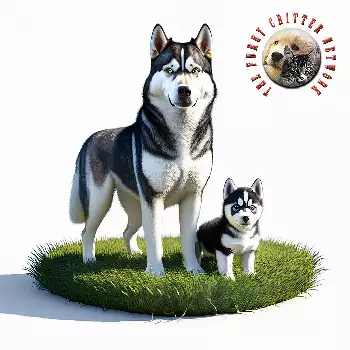
The Siberian Husky is a medium-sized working dog that epitomizes balance, power, and endurance without appearing heavy or coarse. Males typically stand 21 to 23.5 inches at the withers and weigh between 45 and 60 pounds, while females measure 20 to 22 inches and weigh 35 to 50 pounds. The breed's proportions reflect their heritage as efficient sled dogs, with a body that is moderately compact and well-furred, slightly longer than tall. Their build emphasizes functionality over extremes, creating a dog capable of pulling light loads at moderate speeds over vast frozen distances. The chest is deep and strong but not too broad, allowing for efficient movement and endurance. The Siberian Husky's coat is their most essential adaptation to harsh Arctic conditions, consisting of a dense, soft undercoat and a medium-length outer coat of straight guard hairs. This double coat provides remarkable insulation against extreme cold while allowing the dog to tolerate warmer temperatures through seasonal shedding. All colors and markings are permitted in the breed standard, ranging from pure white to black with every shade between, including striking patterns of gray, red, sable, and agouti. Many Huskies display distinctive facial markings and masks. The coat requires weekly brushing and sheds heavily twice yearly during seasonal blowouts. The Siberian Husky's eyes are among their most captivating features, presenting in shades of blue, brown, amber, or any combination thereof. Heterochromia and parti-colored eyes are common and acceptable within the breed standard. Their ears are medium-sized, triangular, set high, and carried erect with slightly rounded tips. The expression is keen, friendly, and often mischievous. The tail is well-furred and fox-brush shaped, carried in a graceful sickle curve when the dog is alert or moving, but trailing when at rest. The overall impression is of a wolf-like dog with an alert, dignified bearing.
Key Characteristics
Temperament Temperament Temperament Temperament Temperament Temperament Siberian Huskies have extremely high exercise requirements, typically needing one to two hours of vigorous activity daily. They are pack animals who thrive on companionship and do not tolerate isolation well, often becoming destructive or vocally expressing their discontent through their distinctive howling. They generally get along well with other dogs and often do better in multi-dog households. However, they possess a strong prey drive that can make them unsuitable companions for small animals including cats. The breed maintains a playful, puppy-like enthusiasm throughout their lives and brings joy to active families prepared for their unique challenges.
Health Considerations Health Considerations Health Considerations Health Considerations Health Considerations Health Considerations Zinc-responsive dermatosis is a skin condition seen in Siberian Huskies more frequently than in most other breeds, causing hair loss and crusty skin lesions, particularly around the face. This condition can usually be managed with zinc supplementation. Hypothyroidism may affect some Huskies, causing lethargy, weight gain, and skin problems when the thyroid gland produces insufficient hormones. The breed can also experience allergies and autoimmune conditions. With proper health screening, regular veterinary care, and adequate exercise, Siberian Huskies typically enjoy a lifespan of 12 to 15 years, making them one of the longer-lived medium-sized breeds.
Important to Remember
Each hybrid dog is unique and may inherit any combination of traits from either parent breed. The information above represents the characteristics of the purebred parent breeds. Your Dalmatian Husky may favor one parent over the other or display a blend of both. We strongly encourage you to read the complete breed profiles for both the Dalmatian and Siberian Husky to fully understand the range of possible temperaments, health concerns, and care requirements.