Crested Schnauzer
The Crested Schnauzer is a cross between the Chinese Crested and the Miniature Schnauzer. Because each hybrid inherits a unique combination of traits from both parents, we recommend thoroughly researching both breeds before choosing a Crested Schnauzer. Pay special attention to temperament, health issues, and care requirements, as your dog may express characteristics from either parent breed.
Chinese Crested

The Chinese Crested is an elegant and refined toy breed that stands approximately eleven to thirteen inches at the shoulder and weighs between five and twelve pounds at maturity. This breed possesses a fine-boned, slender build with a body that may appear slightly longer than tall, creating a graceful silhouette that moves with fluid, agile motion. The skull is wedge-shaped and slightly arched, complemented by almond-shaped eyes and large, erect ears that give the breed an alert and attentive expression. The neck is gracefully arched, and the tail tapers to a gentle curve at the end. Despite their delicate appearance, these dogs are well-balanced and proportionate throughout their overall structure. The Chinese Crested exists in two distinct varieties that can appear in the same litter: hairless and powderpuff. The hairless variety has soft, smooth, humanlike skin on the body with silky hair present only on the head forming a distinctive crest, on the feet resembling socks, and on the tail creating a flowing plume. The powderpuff variety features a full double coat consisting of a soft, shorter undercoat and a longer, silky outer coat that covers the entire body. Both varieties may display any color or combination of colors, as no specific color standard has been established for the breed, allowing tremendous variety in appearance. The breed is further distinguished by its unique hare foot, which features more elongated toes compared to the cat foot common in most other breeds. This anatomical difference means the quicks extend deeper into the nails, requiring careful attention during nail trimming to avoid causing pain or bleeding. The hairless variety often lacks a complete set of premolar teeth, though this is not considered a fault in the breed standard. The skin of hairless individuals ranges from pale flesh tones to black, and these dogs may exhibit varying amounts of body hair from nearly none to a moderate covering that can create a near-full coat if left ungroomed.
Key Characteristics
Temperament Temperament Temperament Temperament Temperament Temperament While not as yappy as some toy breeds, the Chinese Crested can still be vocal and benefits from gentle, consistent training from puppyhood onward. These dogs are highly trainable due to their intelligence and eagerness to please, though they respond best to positive reinforcement methods given their sensitive nature. Harsh training techniques can damage the trust these dogs place in their owners. The breed excels in dog sports such as agility, flyball, and obedience training, enjoying the mental stimulation and bonding time these activities provide.
Health Considerations Health Considerations Health Considerations Health Considerations Health Considerations Health Considerations Orthopedic concerns include patellar luxation, hip dysplasia, and Legg-Calvé-Perthes disease, all of which can cause pain, lameness, and mobility issues that may require ongoing management. Treatment options range from medication and physical therapy to surgical intervention depending on severity and impact on quality of life. The hairless variety requires additional attention to skin health, as their exposed skin is susceptible to sunburn, acne, dryness, and other dermatological problems. Protection from temperature extremes is essential, whether applying dog-safe sunscreen and protective clothing in warm weather or providing sweaters during cooler periods. Regular moisturizing helps prevent dry, damaged skin on hairless individuals.
Miniature Schnauzer
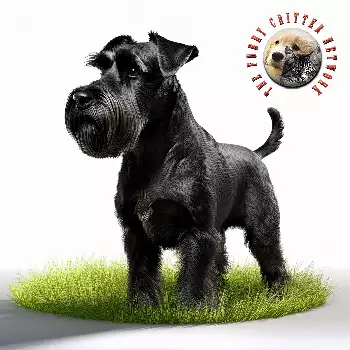
The Miniature Schnauzer is a small, robust terrier that stands twelve to fourteen inches at the shoulder and weighs between eleven and twenty pounds at maturity. This breed presents a nearly square profile with a sturdy, well-boned body that conveys strength, endurance, and agility despite its compact size. The head is rectangular and strong, featuring a flat skull and a moderately long muzzle that ends in a blunt tip. Dark, oval eyes peer out from beneath bushy eyebrows, giving the breed its characteristic keen and alert expression that reflects both intelligence and spirited determination suited to its origins as a farm ratter. The breed's most distinctive feature is its hard, wiry double coat consisting of a soft, close undercoat covered by a harsh, rough outer coat that provides excellent protection from the elements. The facial furnishings are particularly notable, including the hallmark beard and prominent bushy eyebrows that define the breed's instantly recognizable appearance and distinguish it from other terrier breeds. The coat requires regular professional grooming every five to eight weeks to maintain the proper texture and shape, with hand-stripping preferred for show dogs and clipping acceptable for companion animals. The recognized colors include salt and pepper, black and silver, and solid black, each with specific markings and patterns defined by the breed standard. The Miniature Schnauzer carries its head proudly on a strong, arched neck that blends smoothly into well-laid-back shoulders. The topline is straight and level, leading to a tail that is set high and carried erect, traditionally docked where permitted by local regulations. The legs are straight and parallel when viewed from the front, with compact, round feet featuring thick, black pads built for active work. Movement is free, balanced, and vigorous, demonstrating the agility, drive, and endurance that made this breed valuable as a farm ratter and guardian in its native Germany where the breed was developed.
Key Characteristics
Temperament Temperament Temperament Temperament Temperament Temperament The watchdog instinct runs strong in this breed, making them alert guardians who readily bark at unfamiliar sounds or visitors approaching the home. While this vigilance can be valuable, it requires management through training to prevent excessive vocalization that might disturb neighbors. Miniature Schnauzers generally get along well with children and can coexist with other pets, though early socialization is essential to curb any tendency toward aggression with other dogs. Their terrier heritage means they retain strong chase instincts and may pursue small animals if given the opportunity.
Health Considerations Health Considerations Health Considerations Health Considerations Health Considerations Health Considerations Dental disease affects Miniature Schnauzers at higher rates than many other breeds due to tooth overcrowding in their relatively small mouths. This crowding creates spaces where bacteria accumulate, leading to tartar buildup, gum disease, and eventual tooth loss if not addressed through regular brushing and professional dental care. Eye problems including inherited cataracts can develop in young dogs and affect both eyes, potentially causing vision impairment or blindness. Genetic testing of breeding stock helps reduce the incidence of inherited conditions, and prospective owners should seek breeders who perform appropriate health screenings.
Important to Remember
Each hybrid dog is unique and may inherit any combination of traits from either parent breed. The information above represents the characteristics of the purebred parent breeds. Your Crested Schnauzer may favor one parent over the other or display a blend of both. We strongly encourage you to read the complete breed profiles for both the Chinese Crested and Miniature Schnauzer to fully understand the range of possible temperaments, health concerns, and care requirements.