Coton Tzu
The Coton Tzu is a cross between the Coton de Tulear and the Shih Tzu. Because each hybrid inherits a unique combination of traits from both parents, we recommend thoroughly researching both breeds before choosing a Coton Tzu. Pay special attention to temperament, health issues, and care requirements, as your dog may express characteristics from either parent breed.
Coton de Tulear

The Coton de Tulear is a small, sturdy companion dog distinguished by its remarkable cotton-like coat that gives the breed its name. Males typically stand ten to eleven inches at the shoulder and weigh nine to fifteen pounds, while females are slightly smaller at nine to ten inches and eight to thirteen pounds. Despite their delicate appearance, these dogs possess a surprisingly robust build with good bone structure and substance. The body is rectangular in proportion, with the length from forechest to rump being approximately two-thirds greater than the height at the withers, creating a balanced silhouette that is neither too compact nor too elongated. The breed's signature coat is its most striking feature, consisting of long, soft, cottony hair with a texture unlike any other dog breed. The coat is predominantly white, though up to five percent light tan or grey shading is permitted on the body, with slight coloring often appearing on the ears. Unlike many double-coated breeds, the Coton de Tulear has no undercoat, which contributes to its non-shedding, hypoallergenic qualities that make it suitable for many allergy sufferers. The coat can be slightly wavy but should never be curly or silky, maintaining that distinctive fluffy cotton appearance that requires regular grooming to prevent matting. The Coton de Tulear has an expressive face with large, round, dark eyes that convey intelligence and warmth. The ears are triangular, set high on the head, and drop down alongside the cheeks, covered in the same cottony hair as the body. The black nose provides a charming contrast against the white coat, and the lips are tight-fitting and well-pigmented. The tail is set low and carried gracefully over the back when the dog is alert or moving, covered in abundant coat hair. Movement is light, free, and ground-covering without exaggeration, reflecting the breed's agile and athletic nature despite its ornamental appearance.
Key Characteristics
Temperament Temperament Temperament Temperament Temperament Temperament Cotons are remarkably social dogs that generally get along well with everyone they meet, including strangers, children, other dogs, and even cats. Their low prey drive and gentle nature make them excellent additions to multi-pet households. However, their deep attachment to their families means they do not do well when left alone for extended periods and may develop separation anxiety if isolated regularly. They have a unique vocalization style, often making happy grunting sounds when excited and occasionally seeming to talk with a variety of entertaining noises. This breed truly lives to love and be loved, making them exceptional companions for those who can provide the attention and affection they crave.
Health Considerations Health Considerations Health Considerations Health Considerations Health Considerations Health Considerations Eye conditions require monitoring in Cotons de Tulear, including progressive retinal atrophy which causes gradual vision loss, and canine multifocal retinopathy which typically causes mild vision impairment. Some lines carry genes for von Willebrand's disease and hemophilia, blood clotting disorders that can cause excessive bleeding during injuries or surgery. Skin allergies are relatively common, triggered by environmental factors like pollen and dust or by food sensitivities, causing itching, redness, and discomfort. A rare but serious condition called neonatal ataxia, also known as Bandera's syndrome, affects some Coton puppies and causes neurological symptoms including incoordination. Regular veterinary checkups, genetic testing of breeding dogs, and attentive observation of any changes in your dog's health are essential for maintaining the long, healthy life this wonderful breed is known for.
Shih Tzu
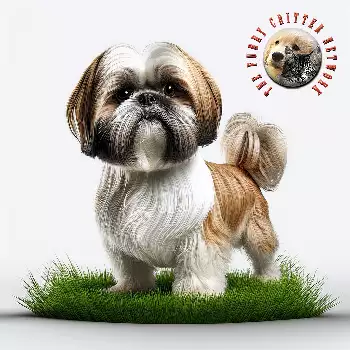
The Shih Tzu is a sturdy, compact toy dog that carries itself with an unmistakable air of aristocratic dignity befitting its imperial Chinese heritage. The breed standard specifies a height of eight to eleven inches at the shoulder, with nine to ten and a half inches considered ideal, and a weight range of nine to sixteen pounds. Despite being classified as a toy breed, the Shih Tzu possesses surprising substance and solidity, with a well-developed body that should feel sturdy and never frail when lifted. The overall impression is of a dog that is slightly longer than it is tall, with good width and depth of chest and a level topline that contributes to the breed's characteristic dignified bearing. The Shih Tzu's luxurious double coat is one of its most striking features, consisting of a dense, long, flowing outer coat and a soft, woolly undercoat. The coat may be of any color, with white blazes on the forehead and a white tip on the tail being highly prized by fanciers. The hair grows continuously and requires daily brushing to prevent tangles and mats, or owners may opt for a shorter puppy trim for easier maintenance. A distinctive characteristic of the breed is the way the hair grows upward on the face, creating what enthusiasts describe as a chrysanthemum-like appearance when viewed straight on. The hair on top of the head is typically gathered into a topknot to keep it out of the dog's eyes. The Shih Tzu head is broad and round with a warm, sweet expression created by large, dark, round eyes set well apart and looking straight ahead. The face is distinctive with a short, square muzzle that is set no lower than the bottom eye rim and is ideally about an inch in length. A slight underbite is required by the breed standard. The ears are large, heavily coated, and set slightly below the crown of the skull, blending into the neck and body coat. The heavily plumed tail curves gracefully over the back and is set on high, reaching approximately to the top of the skull in height. Movement is effortless with good reach and drive, and the dog carries its head and tail high with an arrogant carriage that reflects its centuries as a pampered palace companion.
Key Characteristics
Temperament Temperament Temperament Temperament Temperament Temperament Shih Tzus are remarkably social dogs that typically get along well with people of all ages, including children, as well as other dogs and even cats when properly introduced. They make wonderful family pets and adapt well to various living situations, from apartments to larger homes. However, their strong attachment to their humans means they do not do well when left alone for extended periods and may develop separation anxiety if isolated regularly. The breed is not known for excessive barking, though they will alert to visitors. Their low to moderate exercise needs can be met with short daily walks and indoor play, making them suitable for owners who cannot provide more vigorous physical activity. Above all, Shih Tzus thrive on attention and affection and will return that love tenfold to families who make them an integral part of daily life.
Health Considerations Health Considerations Health Considerations Health Considerations Health Considerations Health Considerations Other health issues that affect Shih Tzus include ear infections due to their heavily coated, floppy ears that trap moisture and debris, requiring regular cleaning and monitoring. Dental disease is common because the shortened jaw can cause overcrowding of teeth, leading to increased plaque accumulation and periodontal problems that necessitate regular dental care including professional cleanings. Patellar luxation, where the kneecap slips out of position, affects some Shih Tzus and can range from mild to severe. Hip dysplasia occurs in the breed though less commonly than in larger dogs. Liver shunts, abnormal blood vessels that bypass the liver, are a congenital concern that can cause failure to thrive and neurological symptoms in affected puppies. Intervertebral disc disease can affect the spine and cause pain or mobility problems. Regular veterinary care, weight management, appropriate exercise, and attention to the breed's specific needs related to their facial structure are key to maintaining good health throughout life.
Important to Remember
Each hybrid dog is unique and may inherit any combination of traits from either parent breed. The information above represents the characteristics of the purebred parent breeds. Your Coton Tzu may favor one parent over the other or display a blend of both. We strongly encourage you to read the complete breed profiles for both the Coton de Tulear and Shih Tzu to fully understand the range of possible temperaments, health concerns, and care requirements.